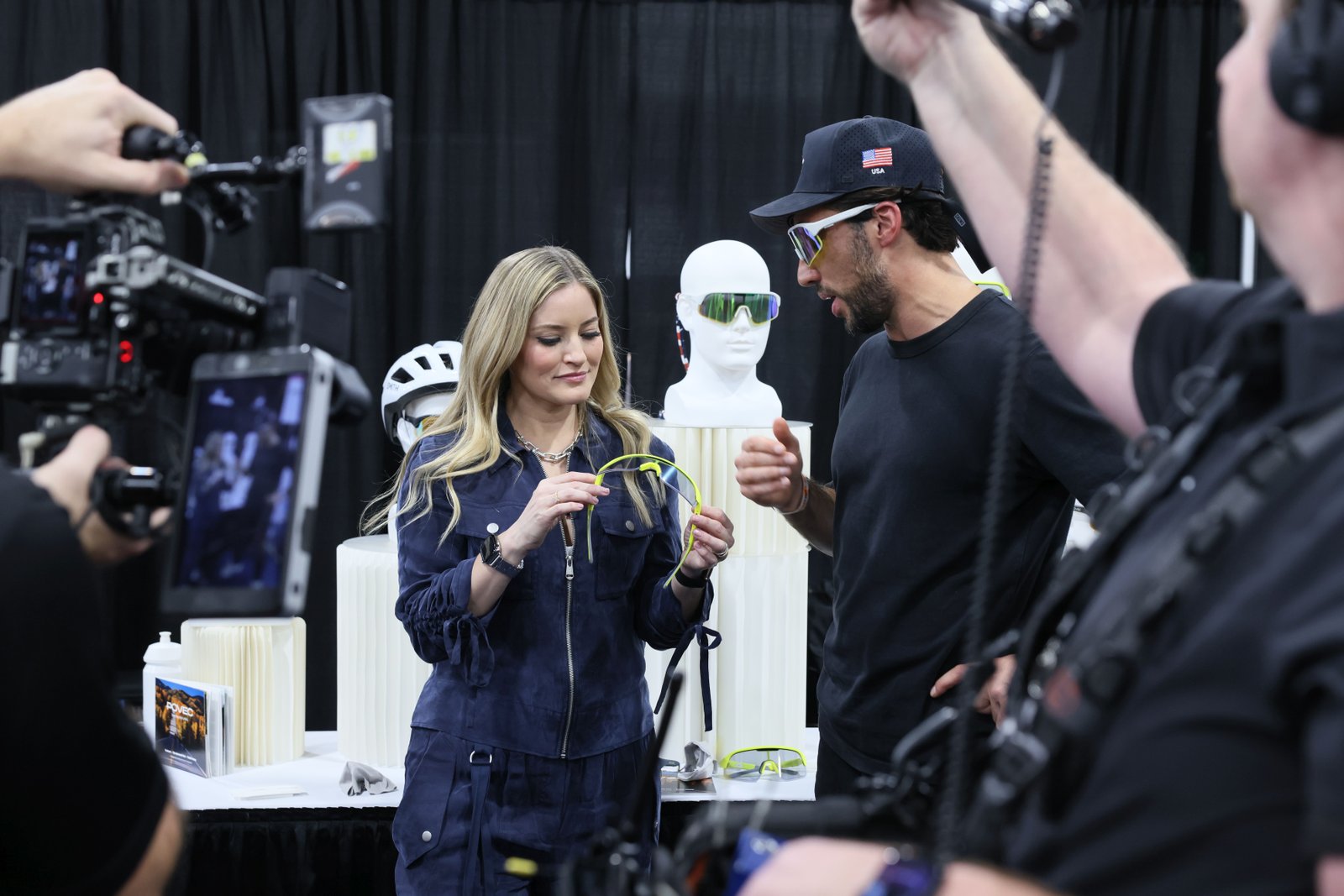
Photo courtesy of the Consumer Technology Association (CTA)®
Forecasts are calling for only a modest recovery, at best, in consumer electronics sales in the U.S. in 2026. Buzz created by AI-powered gadgets is offset by the impact of tariffs and budget-conscious consumers.
The subdued forecasts arrive as the 2026 CES Show, taking place in Las Vegas this week, is being flooded by AI-reimagined devices -- from TVs, PCs, and smartphones to companion robots and pets, smart glasses, vacuums and toilet bowls.
“Despite easing inflation and resilient demand in many regions, risks from tariffs and supply chain disruptions persist,” said Steve Koenig, VP of research for the Consumer Technology Association (CTA), which produces the CES Show, in a press release. That press release also featured an outlook in partnership with from NielsenIQ.
He added, “Consumers remain value-driven but are prepared to spend where they see compelling product features. Built-in artificial intelligence continues to present strong opportunity as a product differentiator, but adoption will depend on clear use cases that illustrate direct benefits and ROI.”
Nielsen Suggests Flattish Electronics Sales in North America This Year
NielsenIQ’s forecast predicted global sales in the broader Consumer Tech & Durable Goods (T&D) market will decline 0.4% in 2026, after climbing 3% to $1.3 trillion in 2025. The projected decline this year is due to weakness in China, with most regions expected to remain stable or see modest gains, including flattish growth in North America.
“Value-for-money remains a top priority, meaning that product benefits must be both highly relevant and visible to shoppers,” said NielsenIQ. “Replacement cycles for PCs and smartphones, combined with premiumization trends—AI-native PCs, mini-LED/OLED TVs, built-in appliances, and smart home appliances—will help drive demand. TVs get a boost from the 2026 World Cup, while open-ear headsets sustain momentum, and AI-enabled features with clear use cases offer premiumization potential.”
Circana predicts consumer technology sales in the U.S. will inch up 0.2% in 2026 to $112 billion. The research firm projected U.S. consumer tech sales in 2025 fell 2.2% -- missing its initial forecast calling for a 1.6% gain -- due to a pullback in spending by lower- and middle-income buyers amid ongoing inflationary pressures.
Average prices for consumer electronics are expected to climb about 3% in 2026, matching the pace of growth in 2025. The increase, in part, reflected the continued shift in product mix toward more expensive products like PCs, but also higher costs of memory used in many consumer electronics.
Computers are expected to continue to be the strongest sellers in 2026 as consumers continue with a replacement cycle refresh, and the end of Windows 10 support spurs some additional replacement of older PCs. Smart glasses are among the innovative categories expected to grow.
“Consumers remain focused on value in 2026 just as in 2025, fueled by economic uncertainty and some rising product costs,” said Paul Gagnon, VP and technology industry advisor for Circana. “Innovative products and a need to replace aging devices will help to offset more pragmatic spending tendencies.”
The CTA Suggests Electronics Sales, Conversely, Will Grow -- Largely Based on Price Hikes
CTA’s U.S. Consumer Technology Industry Forecast calls for U.S. consumer electronics sales to rise 3.7% to $565 billion in 2026 with a boost from higher prices. Unit shipments are forecast to grow just 0.7%.
CTA cites three major forces shaping the next phase of consumer tech:
- Intelligent Transformation: AI becoming foundational across devices, platforms, and services, enabling smarter systems and more personalized consumer experiences.
- Longevity Technologies: Advances in digital health, remote care, and wellness tech supporting longer, healthier lives.
- Engineering Tomorrow: Continued investment in electrification, mobility, energy management, and infrastructure modernization.
CTA sees consumers prioritizing software-driven value, anchored around subscriptions and flexible financing options, as they face economic constraints.
“Even as tariffs and broader economic pressures intensify, Americans continue to invest in technology that improves productivity, connectivity, and quality of life,” said Gary Shapiro, executive chair and CEO. “But the impact of economic uncertainty is becoming more visible as companies move through pre-tariff inventories and face tougher cost decisions heading into 2026.”