Will Increased AI Security Halt the Selective Rollback of Self-Checkouts?
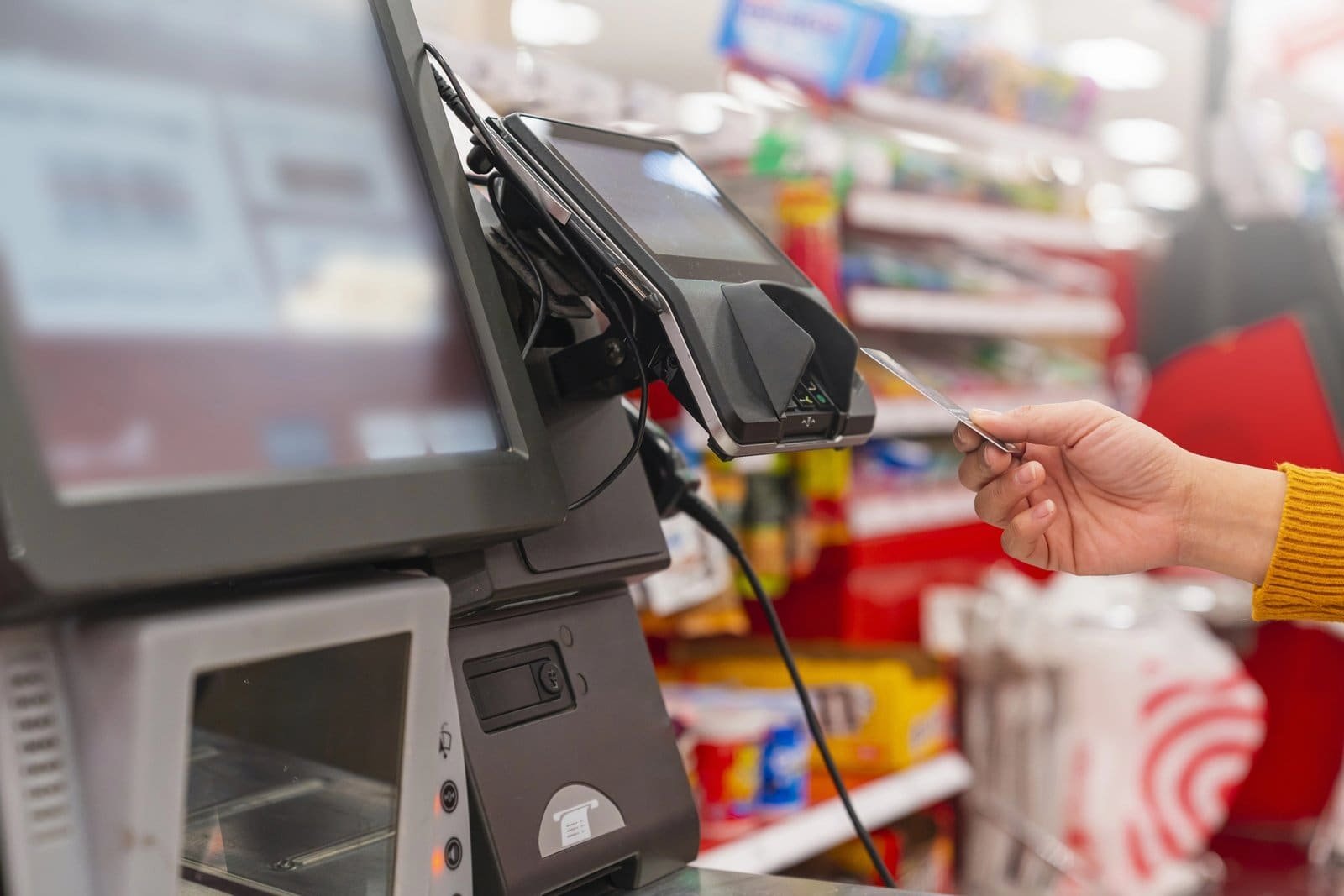
With recent news emerging that Walmart -- alongside Target and Costco, among others -- is rolling back self-checkouts in certain locations, both the reasons as to why as well as the proposed improvements are hotly debated.
While Walmart itself is stating that customer and associate feedback, as well as a desire to improve the checkout experience, are behind the move, many analysts are suggesting that rampant shoplifting and checkout theft are more likely drivers.
According to Capital One Shopping data from earlier this year, self-checkout represents 40% of grocery store registers nationwide -- but also that more than one-quarter (27%) of shoppers (or 36 million-plus Americans) admitted to using self-checkout to steal. A further 55% of these stated intentions to re-offend.
Despite this, the self-checkout market is expected to grow from $2.54 billion in 2025 to more than $5 billion in 2030. Could improved computer-driven, AI-enabled security measures create a more frictionless self-checkout experience, or will retailers simply have to accept the tradeoffs tied to replacing traditional cashiered lanes with self-checkout installs?
Could AI-Driven Computer Vision Help Guide Self-Checkout to Where it Needs To Be?
Bill Miller, president of retail tech provider GK Software USA, highlighted both the common elements of the tug-of-war represented by the fluctuating self-checkout situation, as well as some proposed security solutions.
Writing for Retail TouchPoints, Miller first pointed to the current reality: Despite massive shrink, self-checkout remains "too operationally and economically valuable to abandon." But despite rollbacks taking place in certain localities, could these be mitigated by an improved security system -- one reliant on AI-driven computer vision?
"Computer vision is real-time visual recognition. Cameras positioned at self-checkout lanes capture a continuous feed of every movement and item in the checkout area," Miller wrote.
"Machine learning models trained on large volumes of transaction video streams analyze that feed to understand human behavior at self-checkout and recognize items. This technology distinguishes a completed scan from a missed one, a legitimate bag placement from an item that bypasses the scanner, or a premium product being rung up as a cheaper alternative," he added, noting that these models are not reliant on barcodes or weight but rather hand position, item trajectory, and item movement. Deviations are flagged and customers are asked for a re-scan, while associates are immediately notified with a short video clip of the error to provide context.
Miller went further to say that, ideally, these systems would be installed on a per-lane or at least per-store basis, cutting down on latency and reliance on cloud compute to solve problems that could be contained within each retail location.
Additionally, by analyzing patterns at the SKU and lane level (routing findings upstream to merchandising or category management to isolate root causes); auditing escalation logic on a routine basis (to prevent over-alerting and false positives, with the goal of reducing friction or customer annoyance more broadly); and tightening intervention outcomes (assessing signals such as routine dismissal of alerts by associates to see what, exactly, is going wrong); the overall workflow can be tightened to a desired level, per Miller.
"Computer vision stands apart from most AI initiatives because it solves a visible, costly, well-defined problem with results that are measurable at the lane level from the start," he concluded.
Discussion Thread0
The RetailWire Daily
One morning briefing: the retail news, expert perspective, and business context to bring into your next meeting.
Want to know more? Learn more