eplisterra/Depositphotos.com
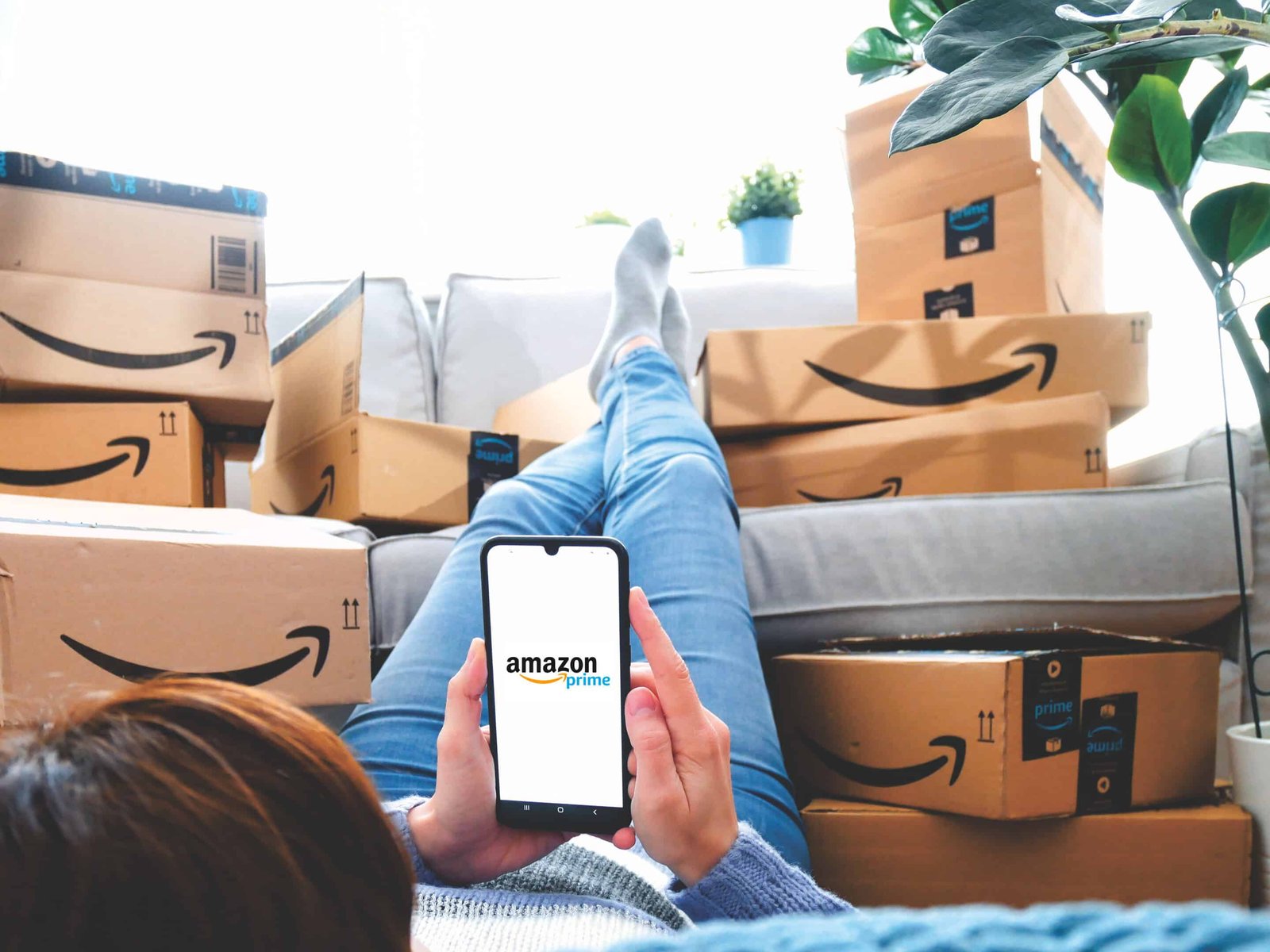
Amazon announced plans to expand its annual Prime Day event to four days, up from two traditionally.
The event, reserved for Prime members, will take place this year from July 8 through July 11 and span 26 countries.
“We’re extending it to four days because our members have told us they just need more time to shop the deals,” Jamil Ghani, Amazon vice president of worldwide Prime, told Reuters.
The event remains a key tool for Amazon to incentivize sign-ups for its subscription service Prime.
When the first Prime Day was held on a single day in the U.S. on July 15, 2015, Amazon said its goal was to offer an event that would rival Black Friday, and it has since evolved into a blockbuster commercial for the selling platform. Amazon has expanded the event to more days, rolled out many early-access and invite-only deals, and expanded its reach to over 20 countries. Last year, Amazon enlisted Megan Thee Stallion, who released a music video featuring “It’s Prime Day,” an original song.
U.S. shoppers spent $14.2 billion during Amazon’s Prime Day event in 2024 (July 16-17), up 11% year-over-year, according to Adobe Analytics.
The e-commerce giant often faces competing sales events from Walmart, Target, Best Buy, and others looking to take advantage of shoppers seeking out deals without the need for a paid membership.
In its statement, Amazon is promising “big deals and huge savings across more than 35 categories” during the upcoming four-day Prime Day event while also offering access to several early deals, including 30% off many of Amazon’s own household and fashion brands, as well as savings from independent sellers on the platform.
Amazon’s shift to a four-day event comes as the U.S. Census Bureau on Tuesday reported U.S. retail sales fell more than expected in May, weighed down by a decline in motor vehicle purchases as a rush to beat potential tariff-related price hikes ebbed. Economists continue to forecast a slowdown in the second half as tariffs revive inflationary pressures."
Tariff announcements have had a clear impact on the timing of large-ticket purchases, notably autos, but there are few signs yet that tariffs are leading to a general pullback in consumer spending," Michael Pearce, deputy chief economist at Oxford Economics, told Reuters. "We expect a more marked slowdown to take hold in the second half of the year, as tariffs begin to weigh on real disposable incomes."