©PhotosByMSA via Canva.com
“Bin stores” continue to gain significant local media coverage as a way for consumers to score jaw-dropping bargains in a treasure hunt experience as well as for stores to offload returns.
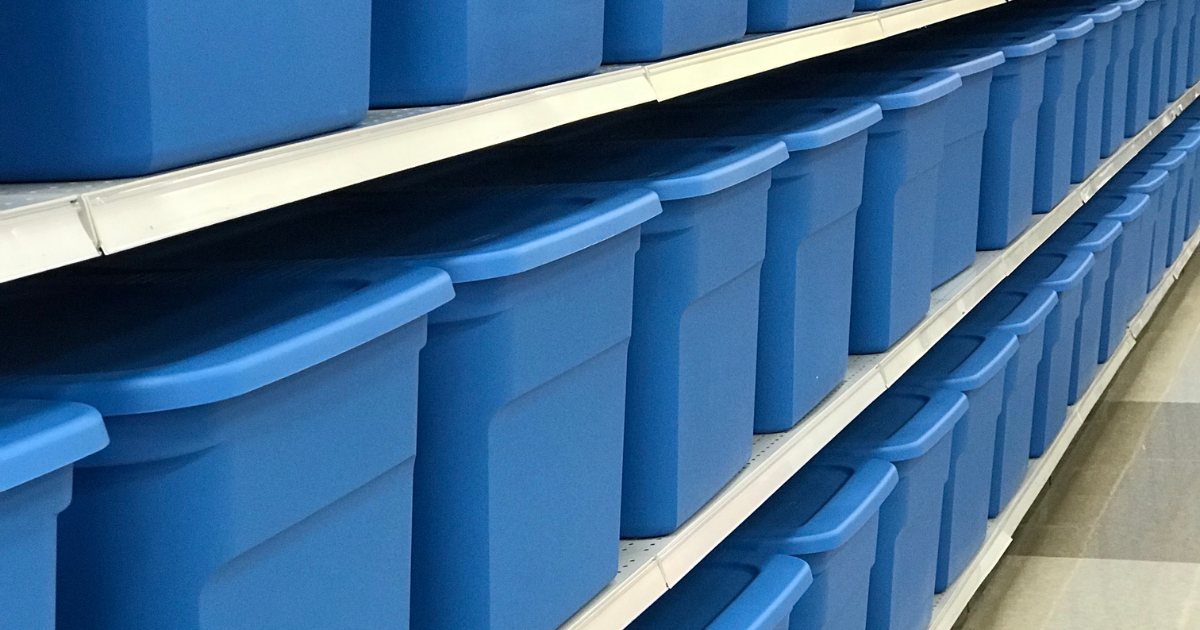
In Columbus, Ohio, a store called Where Ya Bin recently opened featuring 128 waist-high blue plastic bins filled with rejects from Amazon. All items are $14 on Fridays, dropping in price each successive day ($10 on Saturday, $7 on Sunday) to just 25 cents on Thursdays.
Marysville resident Michelle Nicol, according to The Columbus Dispatch, found a crystal butterfly necklace for $1 that was priced at $45 on Amazon.com. Nicol said, "You get excited, pumped up, and you load up your cart. It's addictive."
In Eau Claire, Wisconsin, a 3,000-square-foot BinSconsin store recently opened selling a wide mix of discarded products from chains such as Walmart, Target, and Amazon. Pricing starts at $10 on Saturdays, then drops each following day until the price of the remaining inventory hits $1 on Tuesday. The store is closed from Wednesday to Friday. Chippewa Valley's Volume One publication wrote, “They try to sell everything in the bins during their posted open days, and then they start all over again with new pallets of products.”
Similar stores have opened in recent years across the country under names like Bin Shop’n, Hotbins, and BinCredible Deals. Under the formula, the independent store owners buy truckloads of pallets of returned goods as well as some overstocks and items with slight defects, either directly from retailers or third-party liquidators.
Lines often form on key days, such as the first day after restocking. Major finds of the week are often hyped on social media by store owners.
“In the last two weeks people left with XBOXs, PlayStations, and TVs as well, for $8,” Jehad Awad, owner of Mega Dealz, told KGET TV 17 in Bakersfield, California.
Also helping elevate the popularity of the stores are fans posting their bin finds on TikTok, including many bragging about their ability to resell returned items at significantly higher prices on eBay.
Bin stores also help retailers manage returns, particularly helping the resale of one-off items. The National Retail Federation (NRF) estimates that 16.5% of sales were returned in 2022, up from 10.6% in 2020.
A Target spokesperson told the Washington Post that when an item that can’t be resold is returned, the store works with “third-party services to either salvage, donate, recycle or reuse materials.”
In a blog entry for the Reverse Logistics Association, Larry Morgan, CEO at RL Liquidators, said bin stores have “serious staying power.” Liquidating low-value products, he said, “has always been an expensive undertaking,” and retailers can focus their liquidation efforts on maximizing the recovery of high-value items. Bin stores also promise to help avoid low-value products winding up in landfills. Morgan said, “Historically, low value product ultimately found its way to landfills for the simple reason that nobody could figure out how to sell it all without losing money. It was cheaper to simply throw it away than try to liquidate it.”