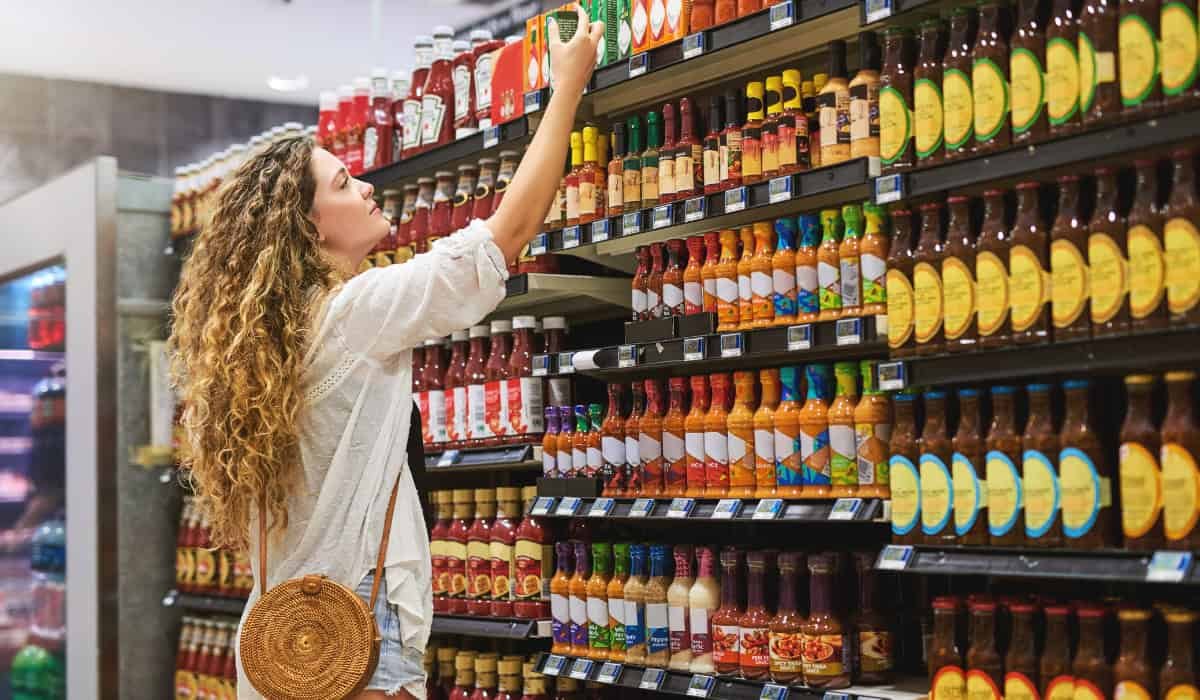
©Charday Penn via Canva.com
Restaurants have been selling their products — Marie Callender’s frozen entrees, White Castle sliders, and Rao’s pasta sauce — in grocery stores for decades. However, the pandemic and inflationary pressures have led to a surge of new entrants over the last three years.
Noteworthy launches supporting the “restaurant CPG” trend include signature sauces from Chick-fil-A and Whataburger, Panera Bread’s refrigerated and bakery offerings and drinks, Cinnabon cereal, pasta sauces from Carbone and Rubirosa, Momofuku instant noodles and sauces, and expanded bakery offerings and ice cream from Milk Bar.
As the economy closed down in the early stages of the pandemic, restaurants scrambled to expand takeout, leading many to start creating branded food products for sale online for the first time. Eventually, that led many to explore selling their packaged goods to grocers as a way to diversify revenue streams and expand their reach nationally.
With inflation increasing, surveys began showing consumers trading down from restaurant meals to food from grocery stores.
“Increased interest in restaurant-brand grocery products tends to coincide with recessions,” Joan Driggs, VP of thought leadership at IRI, told Restaurant Business. “When budgets are pinched, consumers feel they can’t afford to dine out as much, but they like recreating the restaurant experience at home with familiar products and flavors they spot at the grocery store.”
Consumers also enjoyed the convenience of finding restaurant-quality meals at their local grocers. According to InContext, “People got used to being able to quickly run into a store and grab pre-packaged food, wrapped up and ready to, without the lines, the wait, and the need to sit at a table, and the reality is that many people didn’t want to give that up.”
Entering the CPG space presents some challenges for restaurants.
“It’s a totally different business model,” Bari Musacchio, a co-founder of Rubirosa at Home, the New York City Italian restaurant’s CPG business, told Food & Wine. “We are constantly faced with challenges daily from packaging to logistics to selling products via different means.”
Some restaurants are looking for partners with grocery experience to offer an opportunity for traditional CPG firms. Starbucks now works with Nestlé as its CPG partner after initially working with Kraft. Tropicana in early June partnered with Milk Bar on a limited-time-only soft serve, Orange Squeeze.
In a column, Just Food’s U.S. columnist Victor Martino said that like any offering from a CPG vendor, restaurant brand products will have to prove themselves to grocery shoppers. However, he expects the restaurant CPG trend to continue as a restaurant’s name helps initiate trial, and many restaurants bring “new excitement” to grocers’ aisles, including employing creative social media approaches.
“Large chains like Taco Bell, Chick-fil-A and others already in the space will increase their efforts, including growing product offerings and points of distribution. Partnering with mega-retailers like Walmart and Target will become more and more common for these restaurant giants,” wrote Martino. “Moreover, smaller restaurants will launch CPG brands to add a new revenue stream to their operations and extend their reach because the economics of adding restaurant locations is very difficult today.”