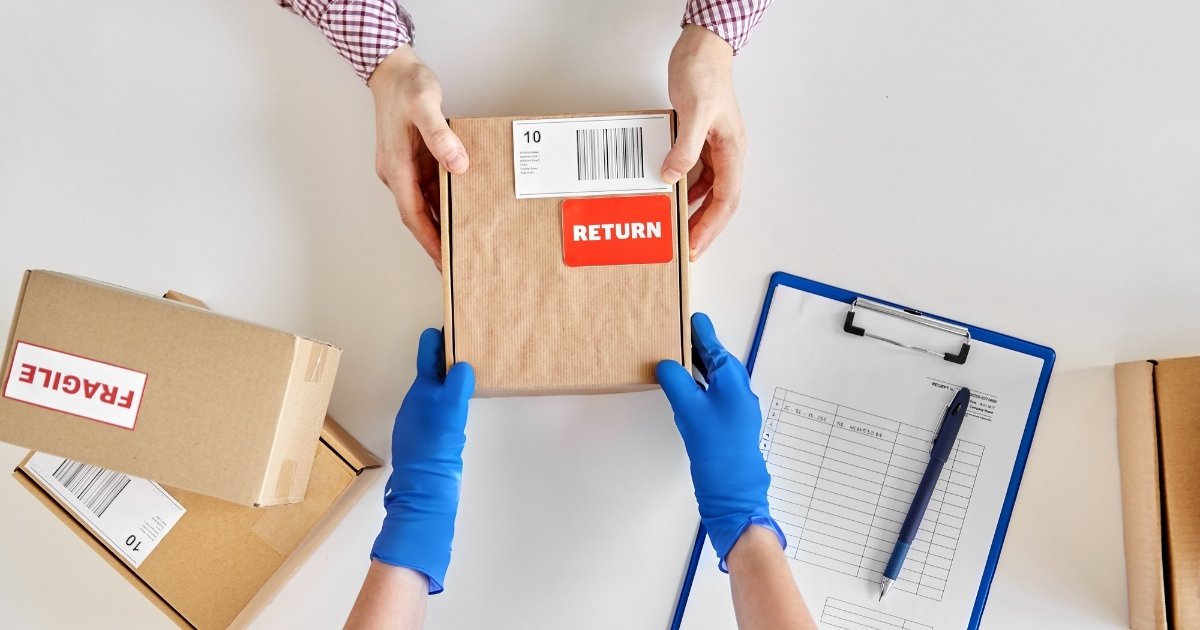
Are Stores Set Up To Handle a Wave of Online Returns?
With many retailers no longer offering free online returns, in-store returns promise to see an uptick. Are stores ready?
A study led by researchers at the University of Portsmouth supported by the ECR Community Shrinkage and On-Shelf Availability Group concluded that “returns from online sales, particularly returns to store, are seriously impacting company profits.”
The study finds that BORIS (buy online, return in-store) “creates unexpected additional costs,” including requiring stores to find more physical space to store returns in their shops and use store staff to process returns.
The study concludes that retailers should treat returns as a profit center instead of a cost of doing business, but complex procedures for managing returns remain a hurdle. The researchers wrote, “With little senior management oversight of the returns process, retailers find it difficult to pin down crucial information such as the rate of return and the costs of handling a returned item.”
Other studies also show a side benefit of having shoppers return or pick up products from stores is a high likelihood that they’ll make an additional purchase. However, Appriss Retail’s “2022 State of the Industry: Returns as an Engagement Strategy” found only 22% of retailers believe they are effective at incentivizing shoppers at the point of return.
As far as the in-store return experience goes, a Slickdeals survey last year of 2,000 U.S. adults found 43% agreeing that returning things in person is worse than doing so online. The most hated parts of in-person returns were found to be having the person in front of them escalate the situation (39%), getting managers involved in their returns (32%), and having to travel to the store (32%).
Nonetheless, a survey from Happy Returns, which partners with retailers to support in-store returns without the need for boxes or labels, found consumers increasingly seeking to drop off online returns at stores as more retailers are charging for shipping. The survey of 2,000 U.S. consumers fielded in August found that 67% rank in-person returns as their top preferred return option, up 26% from last year.
Narvar’s 2023 State of Returns survey likewise found the most preferred return method for online shoppers for the second year in a row was “drop-off at a third-party location,” including stores but also the post office, UPS, or a locker. The top reason was to avoid the cost of mailing the return, while a third of respondents cited “repackaging” as their top frustration. Getting an “instant refund” also held strong appeal.
A Shopify blog entry on BORIS counted several benefits for retailers, including saving the cost and time of mailed returns, increased foot traffic, and adding customer convenience. Downsides cited included potential long return lines and staff demands. Kate Ashley, associate teaching professor in the Supply Chain and Information Management Group at Northeastern University, told Shopify, “A retailer that offers BORIS needs to have a clear process for handling merchandise that is returned to a store, especially if the assortment offered online differs from brick-and-mortar offerings.”
Discussion Thread0
The RetailWire Daily
One morning briefing: the retail news, expert perspective, and business context to bring into your next meeting.
Want to know more? Learn more