Can Curation Make Department Stores More Relevant or Competitive?
The department store still stands as testament to a golden era in retail, one where consumers – particularly families – could find nearly everything under one roof. The emergence of the internet, and the development of a now-mature e-commerce market as exemplified by giants such as Amazon, weakened the grip that department stores had on the assortment proposition. Instead of having nearly everything one might want within one of the aisles, shoppers now have access to an endless assortment at their fingertips, 24/7.
The stats seem to reinforce this position. Relatively recent data pulled from a 2025 Circana report showed U.S. department stores holding just 2% of total retail dollar share, down 0.2% YoY. Federal Reserve Bank of St. Louis data indicates that total retail sales for department stores nationwide fell from ~$19.16 billion in July 2000 to just $3.32 billion in July of 2026, roughly a decline of 83%.
But can active curation, or providing dedication to in-store edits, help to differentiate department stores both from off-pricers – where a treasure hunt experience is the aim – and from mass retailers, where nigh-infinite assortment is what’s on offer?
Let’s take a look at some notables doing just that:
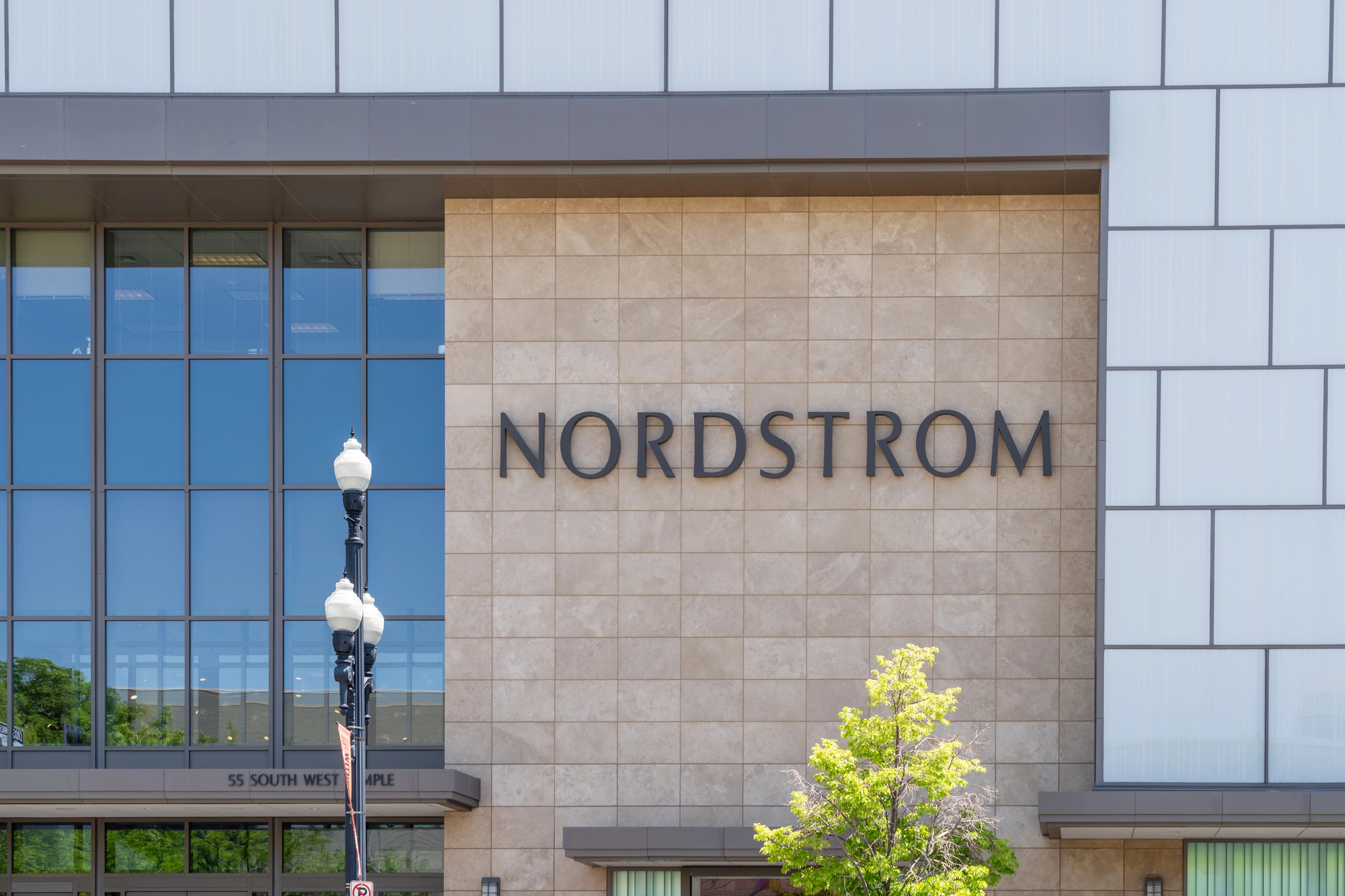
Nordstrom: Nordstrom is leaning heavily into curation via a few different methods, including its holiday catalog featuring “curated gift guides on every page” and picks from its own gift experts; a new partnership with FAO Schwarz involving a store-in-store experience at its NYC flagship and eight jewel box locations; and a Bowie80 immersive shop experience in Chicago, NYC, and Seattle celebrating what would have been musician David Bowie’s 80th birthday.
Bloomingdale’s: Bloomingdale’s has been inviting shoppers to check in to Hotel Bloomingdale’s since Sept. 10, and until Oct. 19 guests will experience “an immersive retail destination” in partnership with The Ritz-Carlton at the retailer’s 59th Street flagship in NYC. A capsule collection featuring over 55 brands across five “hotel-inspired destinations” is present, from The Spa to Room Service. Other locations will enjoy experiential edits featuring brands ranging from Le Creuset to La Mer.
Macy’s: Macy’s is celebrating American designers via the launch of an exclusive capsule collection from both the old guard – Tommy Hilfiger, Donna Karan, and Michael Kors – and the new, in Jonathan Cohen, LAPOINTE, and Theophilio. “Together, the icons and new guard offer a uniquely Macy’s point of view, sparking discovery and inspiration while helping customers define their personal style,” a press release read.
And as Retail Dive’s Daphne Howland noted in June, the approach appears to be working for Macy’s. Bloomingdale’s comps were way up (up 10.2%, its seventh improvement in a row) and Macy’s saw its revamped 200 store fleet improve comps by 2.4%.
Questions for further discussion:
Do you believe department stores can leverage curation or edited selections to differentiate themselves from off-pricers, mass retailers, and e-commerce giants? Why or why not?
While many curation efforts or edits focus on fashion and lifestyle products, do you see any other departments (or particular department stores) which could lean in more heavily on this idea for a turnaround? What advice would you give in this context?
Discussion Thread0
The RetailWire Daily
One morning briefing: the retail news, expert perspective, and business context to bring into your next meeting.
Want to know more? Learn more