DISCUSSION
Clothing retailers are trying to cut their way to higher profits
Written by George Anderson
Photo: Getty Images/idealistock
Cut, cut, cut. Retailers are looking to cut their way to higher profits.
Merchants, on one hand, are reducing orders from factories for the spring and summer, Reuters reports. On the other, many selling online are pursuing ways to reduce product returns that drive up costs and eat into profits, according to The Wall Street Journal.
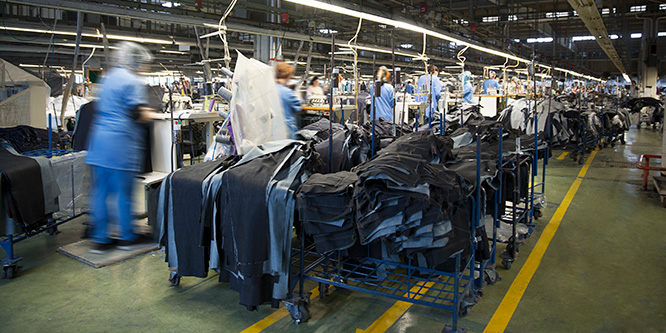
The moves to reduce the size of factory orders are a direct result of actions taken by retailers last year to carry over merchandise that went unsold due to the novel coronavirus pandemic breaking out.
Reuters cites a McKinsey & Company estimate that puts the present value of unsold clothing inventories in stores and warehouses at between $168 billion and $192 billion, twice as high as is normally carried. The fast-fashion chain Primark is currently holding unsold merchandise for the spring and summer seasons valued at $205 million and another $277 million worth of goods for the fall and winter.
Miran Ali, who owns four plants in Bangladesh and represents the Star Network, an alliance of manufacturers in six Asian countries, told Reuters that under normal circumstances his factories would be working at full capacity for the spring and summer and already looking at sizable orders for the fall and winter.
Today, however, Mr. Ali said, “Brands are buying less from fewer people.”
Factory ordering is not the only place where retailers are trying to cut costs. The Wall Street Journal points to steps that companies are taking to reduce product returns, a problem that has an even greater bottom line effect with online orders growing significantly for most retailers since the pandemic hit.
The product return rate on online purchases is about three times higher than when goods are bought in stores. As online sales increase, the cost of returns becomes more of a burden for retailers. While merchants remain hopeful that customers will sooner rather than later return to stores at near pre-pandemic levels, the reality is that many expect that items ordered online will continue to grow as a percentage of their overall sales.
Retailers are turning to various virtual try-on technologies to help consumers get a better idea of how products including clothing, makeup and glasses will fit and look on them. While the utility of these programs has shown some benefit, there is still plenty of room for improvement with fewer returns as the goal.