Do Consumers Deserve Refunds From US Tariffs?
Costco, Lululemon, FedEx, UPS, eyeglass seller EssilorLuxottica, and Fabletics are among numerous companies that have been hit by proposed class-action lawsuits seeking refunds for customers facing tariff-driven price hikes over the last year.
The refunds became possible after the Supreme Court ruled on February 20 that President Donald Trump didn’t have authority to levy tariffs under the International Emergency Economic Powers Act (IEEPA) he’d relied on for many of the tariffs imposed.
The Court of International Trade has since said the government needs to refund around $166 billion in tariff revenue it collected, but it is unclear how or when that will happen.
Some Consumers Feel Retailers May Be Double-Dipping on Tariff Refunds
The common complaint in the lawsuits is that executives have cited the need to raise prices on analyst earnings calls, and any refund would be a duplicate benefit -- since companies earned a benefit by initially raising prices and passed those costs to consumers.
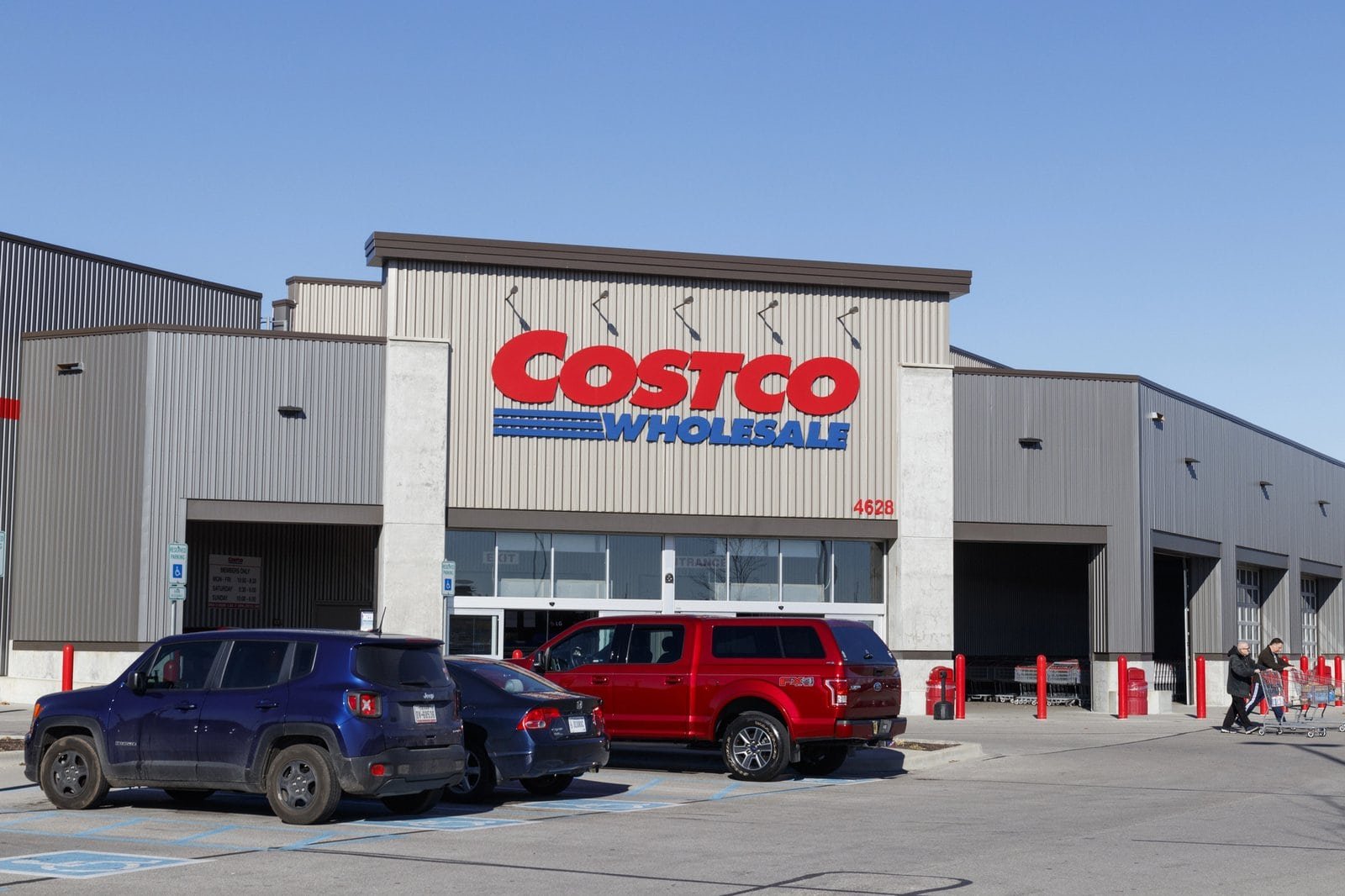
Plaintiffs in the lawsuit against Costco, filed in a U.S. District Court in Washington, charge that Costco “collected the tariff costs from consumers through elevated pricing, while simultaneously seeking refunds of the same tariff payments from the federal government.” Unless the court intervenes, “Costco stands to recover the same tariff payments twice,” the complaint alleged.
On an earnings call in March, Costco indicated it planned to pass on savings from any tariff refunds to shoppers through lower prices. CEO Ron Vachris added that while Costco has raised prices to offset tariffs, “in many cases, we did not pass the full cost on to our members.”
In Lululemon’s lawsuit filed in Michigan, plaintiffs “estimated” that Lululemon paid about $240 million in tariffs. The complaint reads, “Although Lululemon will recover tariff refunds on the tariffed goods it sold, its customers bore the economic brunt of these tariffs by paying higher prices Lululemon admittedly set because of the IEEPA tariffs. The risk of Lululemon obtaining double recovery is therefore imminent.”
More than 2,000 companies, including Costco, have sued the federal government to reclaim billions in paid tariffs and the refund process is slowly moving along.
Figuring out refund returns to individuals appears challenging. Vachris said on Costco’s recent earnings call, “The complexity of the tariffs implemented over the past year, including layering of different tariffs on top of each other and multiple changes in rates throughout the year, also made it challenging to track the exact impact to an individual item sold.”
Survey Data Suggests Retailers Prefer Reinvestment Over Refunds to Consumers
Many firms may also want to invest any refund into talent, R&D, or projects that were delayed due to cost pressures from tariffs.
A survey from KPMG of 300 U.S.-based c-suite and business leaders -- at organizations across sectors with annual revenues above $1 billion shared with Fortune’s CFO Daily, taken just after the Supreme Court ruling -- found that if refunds arrive, companies would most likely reinvest in supply chain diversification (14%), followed by working capital and inventory (13%), R&D/product innovation (12%), and capital expenditures (12%). Only 18% would fully reverse price hikes resulting from Trump’s tariffs, with 34% of these implementing a partial rollback and 30% using temporary promotional pricing.
Discussion Thread0
The RetailWire Daily
One morning briefing: the retail news, expert perspective, and business context to bring into your next meeting.
Want to know more? Learn more