Consumers Still Value Pride Month Participation — How Can Brands Do So More Authentically (and Specifically)?
The most recent research detailed by Omnisend’s Povilas Sabaliauskas indicates that corporate LGBTQ+ engagement is pulling back, with a survey of consumers dovetailing with Gravity Research data to suggest as much. Per Gravity Research, 39% of companies cut their Pride Month engagement in 2025, versus just 9% who did so in 2024 — and on the Omnisend side, 37% of American shoppers noticed this trend happening more recently, with 58%-67% of LGBTQ+ consumers globally saying the same.
“Our recent survey of 4,000 consumers across the United States, United Kingdom, Canada, and Australia shows that while companies are becoming more hesitant about their participation, consumers still closely watch how brands engage and increasingly distinguish between genuine support and performative marketing,” Sabaliauskas wrote.
Top-line data points brought to the forefront by the report included:
- About half to a little bit more than half (48%-57%) of consumers polled indicated that brand participation in Pride Month was important to them. LGBTQ+ individuals were most likely to say so (76%-85%), followed by Gen Zs (69%-75%) and millennials (66%-78%). Baby boomers were least likely to say so (28%-41%).
- Approximately one-third (32%-37%) of those polled said they expect brands to take part in Pride Month. An even greater percentage (39%-46%) stated that brands should avoid participating if they do not genuinely support LGBTQ+ rights.
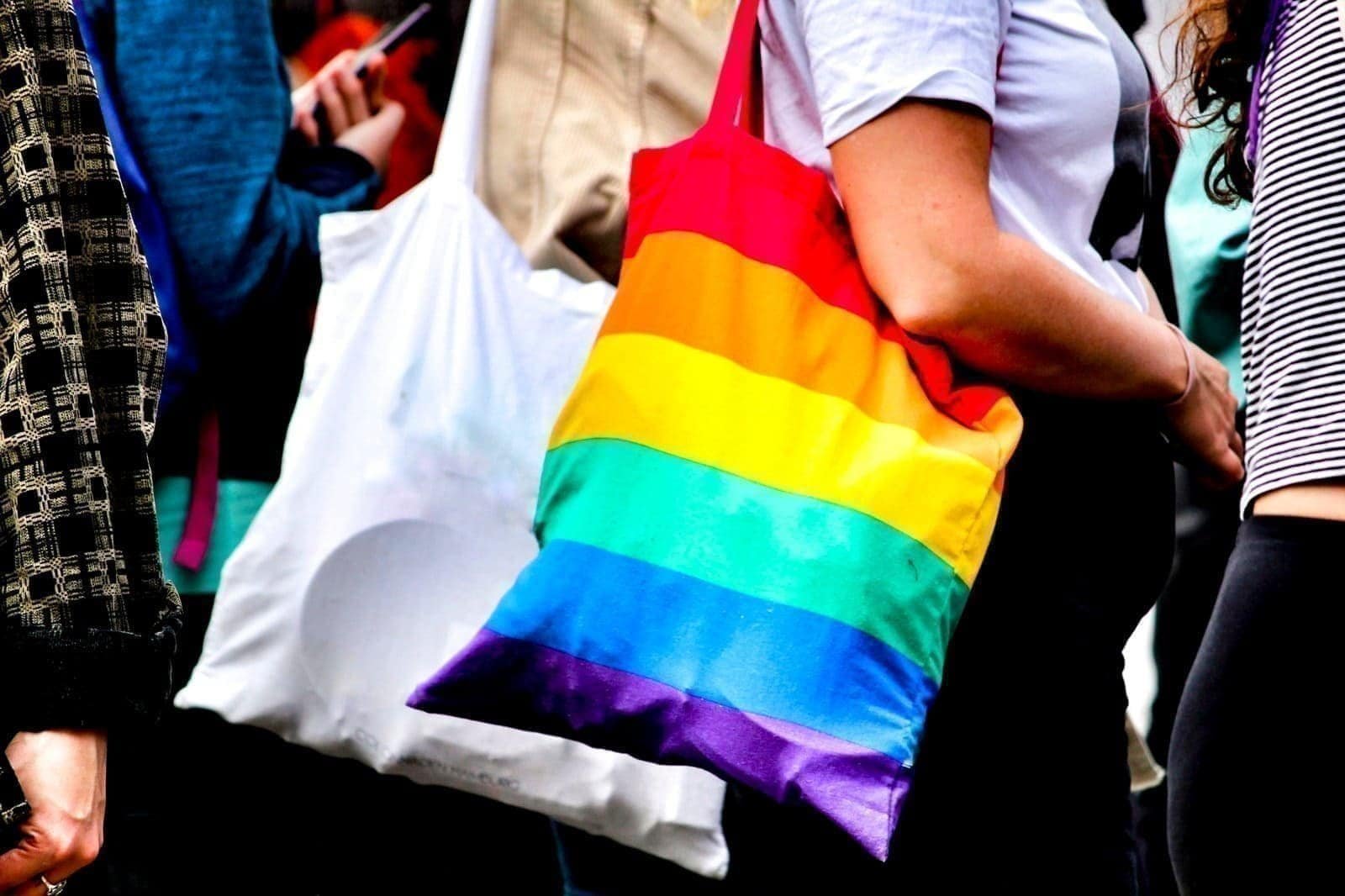
- A little more than a quarter (26%-32%) of respondents indicated they’d bought a Pride-themed product in the past, generally to support the LGBTQ+ community or simply because they enjoyed the design of the item.
Authenticity as the Cornerstone of Pride Month Campaigns: But Can We Be More Specific?
Sabaliauskas also highlighted the most important factor pulled out of the findings: For Pride Month backers, authenticity was of the utmost importance.
“Year-round support, donations, and public advocacy are considered the most important signs of authenticity in brands, while participating only when it’s commercially convenient is seen as performative,” he wrote.
“The brands that come out ahead are the ones whose Pride Month activities match what they do the rest of the year. Changing your logo to rainbow colors for June without any year-round support, donations, or advocacy is exactly the kind of disconnect consumers are now accustomed to spotting instantly,” he added.
In terms of the brand actions deemed most authentic around Pride Month, those polled ranked the top contenders as follows:
- Offering year-round support to the LGBTQ+ community (25%-32%).
- Donations backing LGBTQ+ organizations (17%-22%).
- Clear public advocacy in support of said communities and organizations (15%-20%).

Conversely, the three brand actions considered to be most inauthentic were:
- Changing the logo to rainbow colors for the month of June (seen as inauthentic by 25%-32%).
- The sale of Pride-themed products with no charitable donation attached to the purchase (24%-29%).
- General participation in Pride Month only when “profitable or politically safe” (27%-31%).
“What retailers can take away from this data isn’t limited to Pride Month. Consumers are getting better at spotting when a marketing campaign is disconnected from how a company actually operates. People don’t expect every brand to make bold political statements, but what they do expect is that messaging and company behavior feel real rather than reactive,” Marty Bauer, e-commerce expert at Omnisend, said.
Discussion Thread0
The RetailWire Daily
One morning briefing: the retail news, expert perspective, and business context to bring into your next meeting.
Want to know more? Learn more