Will Convenience Stores in America Take Over Fast Food?
iStock.com/RiverNorthPhotography
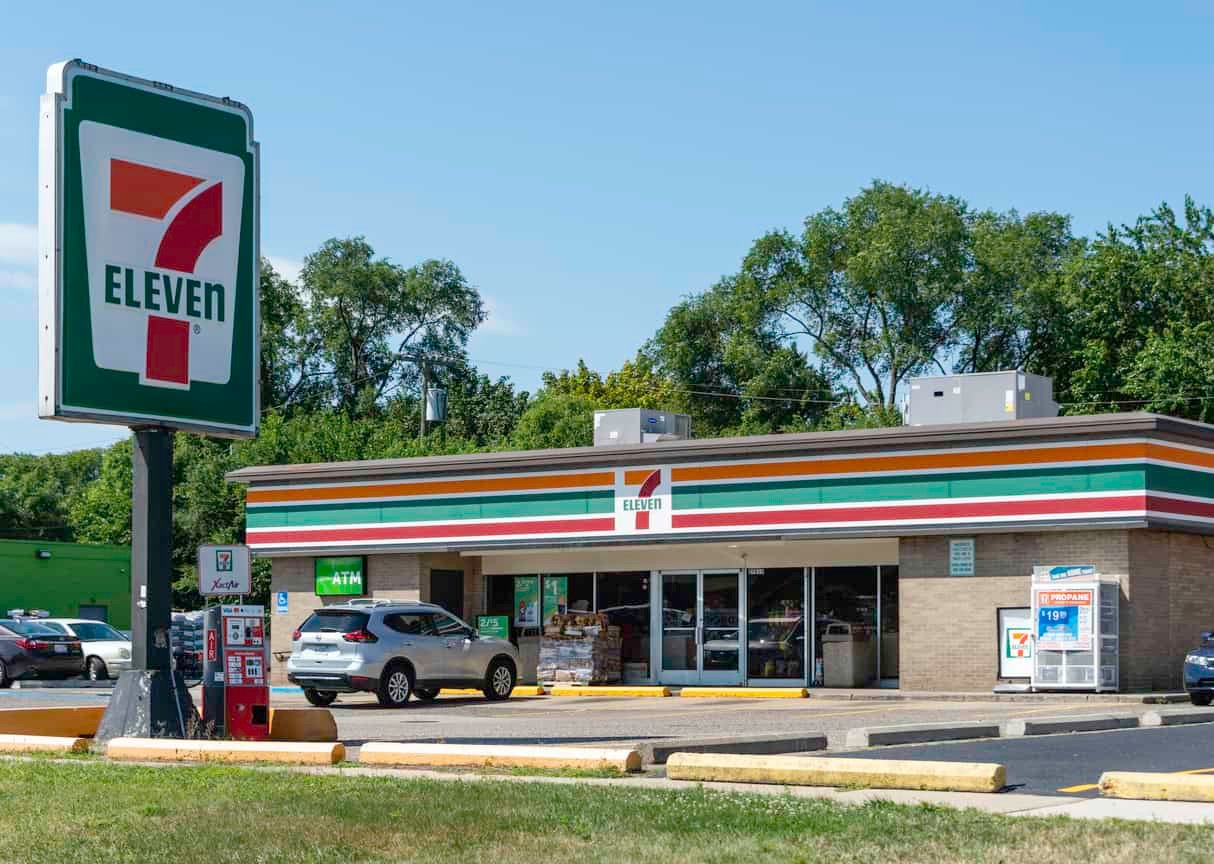
Convenience stores, from giants like 7-Eleven to regional brands like QuikTrip, are evolving to compete with fast-food restaurants by enhancing their food offerings and creating inviting dining environments.
As traditional sales of cigarettes and soft drinks decline, convenience store operators are turning to international concepts like grab-and-go ideas, according to The Associated Press. Some locations have introduced sit-down seating, expanded coffee selections to compete with Starbucks, and made-to-order meals to attract busy consumers seeking affordable and appealing dining options.
Jeff Lenard, vice president of strategic industry initiatives for the National Association of Convenience Stores, stated, “It has been a decades-long journey to go from food that was perceived as desperation to destination.”
Chains like Wawa and Casey’s are expanding their menus to include dinner items, while 7-Eleven is launching nationwide delivery through its 7NOW app, bringing fresh international-inspired foods to U.S. locations. Despite recent closures and financial challenges, convenience stores are tapping into the popularity of unique regional offerings to build a loyal customer base.
“We really are approaching this like a restaurant as we always have, but more so now. Prices have gotten really high. So what’s happening is that convenience stores are becoming a real viable option for guests.”
Carrie Stojack, vice president of brand and strategic insights at Casey's General Stores, via The Associated Press
Restaurant Finance Monitor explained in May how convenience stores are undergoing a significant transformation, moving away from their traditional roles as quick-stop locations primarily selling gas, snacks, and cigarettes. The pressure of diminishing fuel margins and a growing focus on health-conscious consumers has prompted these establishments to reposition themselves as food service destinations that cater to demands for speed, variety, and quality.
Notably, food service sales are outpacing overall revenue growth. These sales amounted to $51.7 billion in 2022, compared to $43.2 billion in 2021, representing a remarkable 19.7% increase and 18.8% of all C-store sales during the year, according to a Convenience Store News report from last year.
Additionally, data from a study completed last September by Acosta Group shows that approximately 52% of convenience store shoppers visit these locations at least once a week, with 30% saying they visit more often than they did a year ago. According to Acosta Group’s Kathy Risch, "For a vast majority of C-store shoppers — 92% — food and drink purchases are the primary purpose of the trip." The report also noted that snacks, candy, baked goods, and refrigerated beverages were the most commonly bought items.
This has not been an overnight change. Back in January 2020, CNN reported that convenience stores had been becoming increasingly popular alternatives to fast-food chains, thanks in part to their enhanced food offerings. At the time, chains like Sheetz, Wawa, and Kwik Trip had already been featuring a range of prepared meals and snacks, significantly elevating their appeal for on-the-go dining.
To stay competitive, these stores were also hiring executives from the restaurant industry and broadening their selections of snacks and ready-to-eat meals prepared on-site. As Americans lean toward snacking and cook less at home, convenience stores cater to the demand for quick, quality options. According to CNN, analysts noted that millennials often prefer the efficiency of these stores, as customers typically spend an average of less than four minutes inside. With an emphasis on rapid service and appealing food choices, convenience stores are successfully carving out a niche in the competitive food landscape.