DISCUSSION
Do furniture retailers need a new approach in the digital age?
Written by Guest contributor
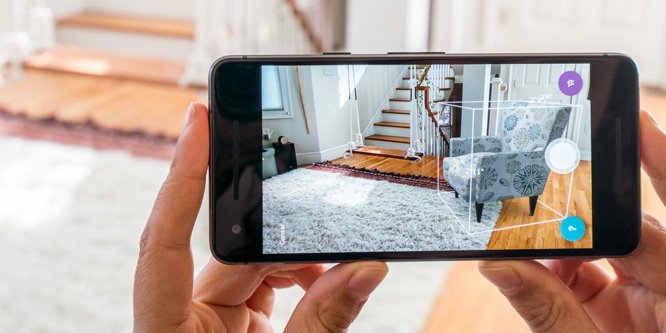
Photo: Wayfair
Caroline Jansen
Through a special arrangement, what follows is a summary of an article from Retail Dive, a publication providing new and exclusive insights to retail executives and decision makers.
Home goods retailers have adapted as retail has become more digitally focused, but it’s still a category in which many consumers need convincing to make a purchase online.
After all, furniture is thought of as an investment piece, the category’s hard to return and typically used almost daily. Simply providing more details online can alleviate hesitations.
"Better descriptions, better photography — we've seen a lot of retailers take that in-house and have videos and just more information for the customer,” said Telsey Advisory Group’s Cristina Fernandez. “Online chat and being able to make that experience a lot easier and give the consumer a lot more information so they can make a better decision."
Some furniture and home furnishing stores are capitalizing on Instagram and Pinterest to interact with consumers and create online communities.
Wayfair and Overstock both added AR capabilities to their apps last March to help customers better visualize pieces in their home. But some question whether mixed reality technologies are actually impacting consumer shopping behavior in the space and they need to advance further.
Hart Posen, associate professor of management at the University of Wisconsin-Madison, believes retailers need to figure out how to box furniture up and make it easier to ship and assemble at home.
Reducing time and cost as well as offering consumers greater flexibility in choosing their delivery time and date will alleviate some of the headaches with furniture delivery, added Ms. Fernandez.
RetailNext marketing director Ray Hartjen believes the way traditional home goods retailers operate — very large stores with inventory arranged sporadically — is quickly becoming outdated. The best plan, he thinks, is shrinking square footage and upping the design factor for more of a showroom feel.
But for many legacy furniture stores, the larger-sized format doubles as warehouse spaces and optimizes nearby delivery. "For furniture, and depending on the furniture, local distribution is sometimes preferable," said Prof. Posen,