Are Gas Price Spikes a Blow to Retail Spending?
The surge in gas prices since the start of the Iran war is expected to deliver more of a psychological than material impact to consumers.
Harriet Torry, economics correspondent for the Western U.S. for the Wall Street Journal, estimated in a podcast that Americans spend only about 3% of their income on energy services like electricity and natural gas -- with bigger expenditures including housing, 33%, and food, 14%. However, continually noticing higher gas prices takes its toll on consumer sentiment.
“This is actually quite a small part of American's day-to-day spending, but because it's such a visible part -- people are just very aware of gas prices because you drive around all day and you see them everywhere you go,” said Torry. “So when they go up, you think, ‘Oh yeah, okay. Why is that happening?’ And swings in gas prices do have an impact on the way that people feel about their ability to continue spending.”
“Gas prices carry outsize psychological weight,” eMarketer stated in a recent analysis, “Prominently displayed and paid frequently, increased pump prices keep inflation concerns front and center, squeezing household budgets and dampening consumer sentiment. Over the past half-century, rising gas prices have typically lifted inflation expectations.”
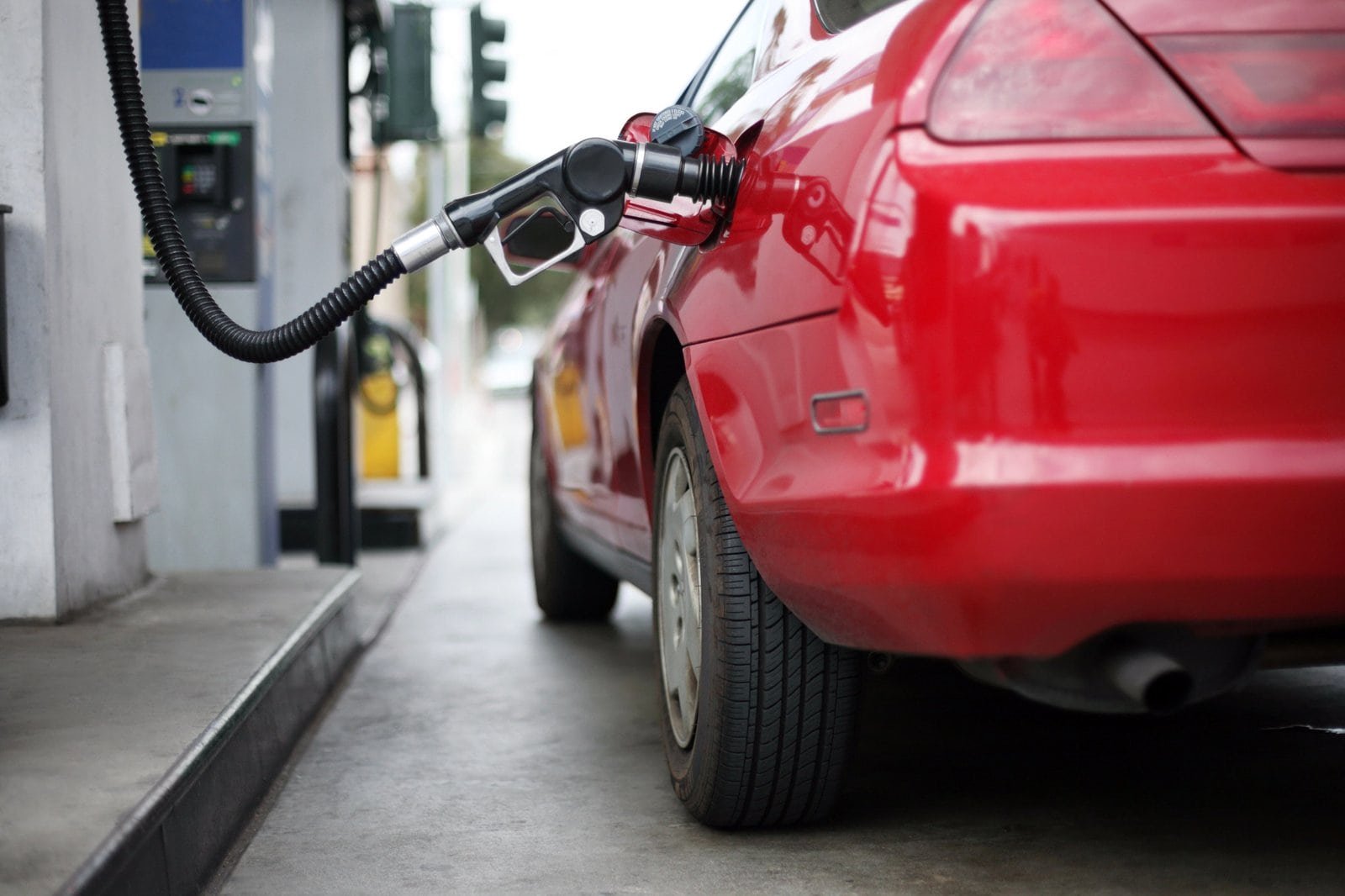
On Monday, nationwide unleaded gas prices hit $3.96 a gallon on average, up 33% from $2.98 a gallon on Feb. 26 -- two days before the U.S. and Israel attacked Iran, according to AAA. Israeli strikes on Iran’s vast offshore gas field and Iran’s closure of the Strait of Hormuz, a critical trade passage that facilitates a significant share of the world’s oil and natural gas trade, have helped drive the increases.
Beyond prices at the pump, the conflict is expected to pressure inflation in other ways depending on its length, including in higher transportation costs for delivery trucks, cargo planes, and ships. The Strait of Hormuz is also a chokepoint for fertilizer and pharmaceutical supply chains.
Continued Iran Conflict Could Drive Gas Prices, Overall Inflation Higher
Federal Reserve Chair Jerome Powell said Wednesday that the war will drive inflation higher.
He said, “The implications of events in the Middle East for the U.S. economy are uncertain. In the near term, higher energy prices will push up overall inflation, but it is too soon to know the scope and duration of the potential effects on the economy.”
Citing the impact of higher oil prices, Oxford Economics on Friday lowered its forecast for U.S. consumption growth this year from 2.5% in February to 1.9%, which would mark the slowest pace since 2013, excluding the pandemic. The higher prices are expected to impact lower- and middle-income consumers the most. The advisory firm said, “We had anticipated a lift in spending from a bumper tax refund season, but the rise in gasoline prices, if sustained, would more than offset that boost.”
Discussion Thread0
The RetailWire Daily
One morning briefing: the retail news, expert perspective, and business context to bring into your next meeting.
Want to know more? Learn more