DISCUSSION

Grocers confront the fragmentation of loyalty

Written by James Tenser

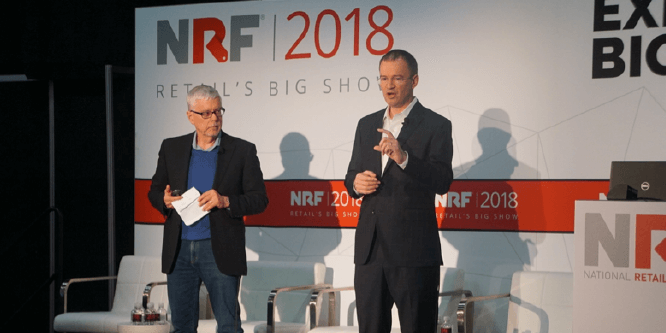
Photo: James Tenser

New research reveals a more granular picture of the fragmented nature of consumer loyalty in the grocery sector. In a presentation at the recent National Retail Federation Show in New York, Greg Girard, program director, merchandise strategies, IDC and Graeme McVie, chief business development officer, Precima shared findings from a survey of 3,000 shoppers and 200 retailers that reveal some of the “whys” behind divided loyalty. “Food retailers presently only provide a third (35 percent) of all the nutrition – calories or meals – that we in America consume,” said Mr. Girard. “The rest is out-of-home meals from restaurants of all sorts, deliveries and more recently, meal kits.” The researchers asked shoppers where they shop and what drives them to fragment their spending among multiple food stores. “Sixty percent said they would actually prefer to shop at one store if they could have all their needs met, but only 19 percent actually do,” said Mr. McVie. Asked why they shop multiple stores for groceries, the findings revealed:
  • 75 percent search for better prices
  • 60 percent seek products they want
  • 40 percent want products that suit different shopping missions
  • 23 percent seek more convenience
McVie said that when asked what would move them to consolidate their shopping in one store, the responses were largely focused around assortment topics including product quality, fresh produce and superior, more localized choices. The survey confirmed that virtually all shoppers want the basics of good prices, quality products, wide assortments, good customer service, and nice stores. It also uncovered insights about factors that differentiate how customers think about retailers. “Personalized prices stood out in importance for shoppers in all generations. While they don’t expect it, when you deliver it, they love it,” said Mr. Girard. Younger shoppers indicated more interest in value-added services like prepared foods, plated meals, meal kits and online ordering. They are also indicated less commitment to products from major national brands. Shoppers may also feel loyal to specific departments in different stores. The research revealed that they value time spent making selections in departments like fresh fruit and vegetables, fresh meats and fish. They are more perfunctory when shopping for home products or HBC. “Shoppers are fragmenting their spending by department as, well,” added Mr. McVie. While a shopper may routinely shop a favorite supermarket for center store items, they may visit a premium store for produce or meat and use a club store or online service to buy household staples in bulk.

Discussion Thread0