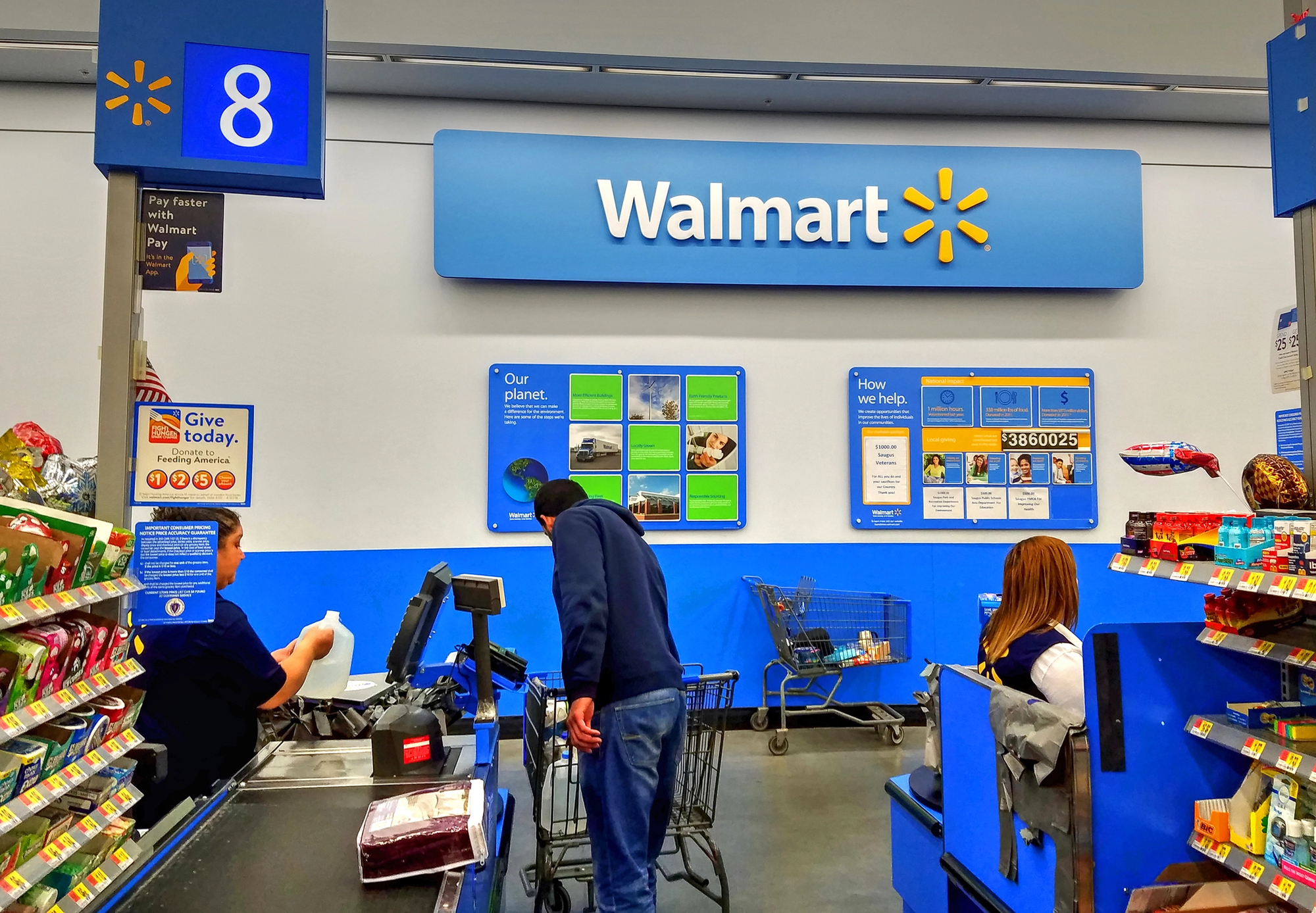
Headlines around dynamic or personalized pricing are appearing to proliferate (also spurring a recent RetailWire discussion focused on Walmart’s high-profile promise disavowing the practice), with consumers appearing to display extreme aversion to the concept – justified or no.
“Consumer-facing companies are making headlines these days for how they do or do not use data to set consumer prices,” Anna Hensel wrote for Modern Retail.
“Everything from the rise of digital shelf labels to screenshots of pricing algorithms is fueling concerns among consumers that retailers are increasingly using customer data to engage in dynamic pricing, and it is putting more retailers on the defensive,” she added, underscoring two significant cases (featuring McDonald’s and Walmart) that had recently brought the issue to the fore.
On the two controversies above:
McDonald’s defends itself from Reuters investigation: Reuters investigated reports of AI issuing pricing for menu items based at least somewhat on “customer willingness to pay in your area.” McDonald’s staunchly denied any actual setting of prices by the tool, but did acknowledge the tool made restaurant-specific suggestions and that “Franchisees decide what prices to charge and whether to use the recommendations available to them.”
Walmart engages in a back-and-forth with activist: Following CEO John Furner’s Sept. 25 letter rejecting dynamic pricing, president and CEO of Groundwork Collaborative Lindsay Owens publicly called out the retail giant, suggesting the introduction of digital shelf labels could allow for “real-time dynamic pricing” among other claims. A back-and-forth between Walmart EVP of corporate affairs Dan Bartlett and Owens ensued via further public missives.
Dynamic Pricing, AI Integration in Pricing, and DSLs All Appear To Draw Consumer Ire
In this author’s recent forays across social media, this sentiment appears to be appearing across platforms whenever consumer goods are being highlighted – particularly by larger players such as Walmart or Amazon.
Policy debates and legislation targeting dynamic or personalized pricing (ex. Maryland banning the practice at grocers, and the FTC issuing an enforcement policy proposal this August) spurred the NRF to issue public statements with the goal of both differentiating personalized discounts (ie. loyalty rewards) from personalized pricing, and in defending the incoming deployment of digital shelf labels as more efficient and effective than paper equivalents.
Several recent Reddit threads exhibit a common throughline of consumer skepticism or outright animosity against the practice.
“Not that long ago, this was called price gouging. Dynamic pricing just makes it sound a little more friendly,” a Reddit user added to a thread on r/technology.
“The price in the [Target] app was $10 lower (I was buying an air filter system for a small room; and I went to the store to see it after I found it on the app - it was $115 on the app but $125 in the store.) I showed the cashier and she adjusted it down to the app price. They’re conducting funny business over at Target,” a second stated.
“I’m gonna use dynamic paying too,” one user sarcastically quipped.
Questions for further discussion:
Do you believe dynamic pricing has become a toxic concept to most shoppers? Why or why not?
In your opinion, what’s behind any perceived animosity towards dynamic pricing, AI pricing tools, or even digital shelf labels? Which fears, to your mind, are unfounded – and which may have at least some basis in truth?
If you were giving advice to major retailers and brands about how to tackle the subject of dynamic pricing to U.S. consumers, what would that look like?