artyooran.gmail.com/Depositphotos.com
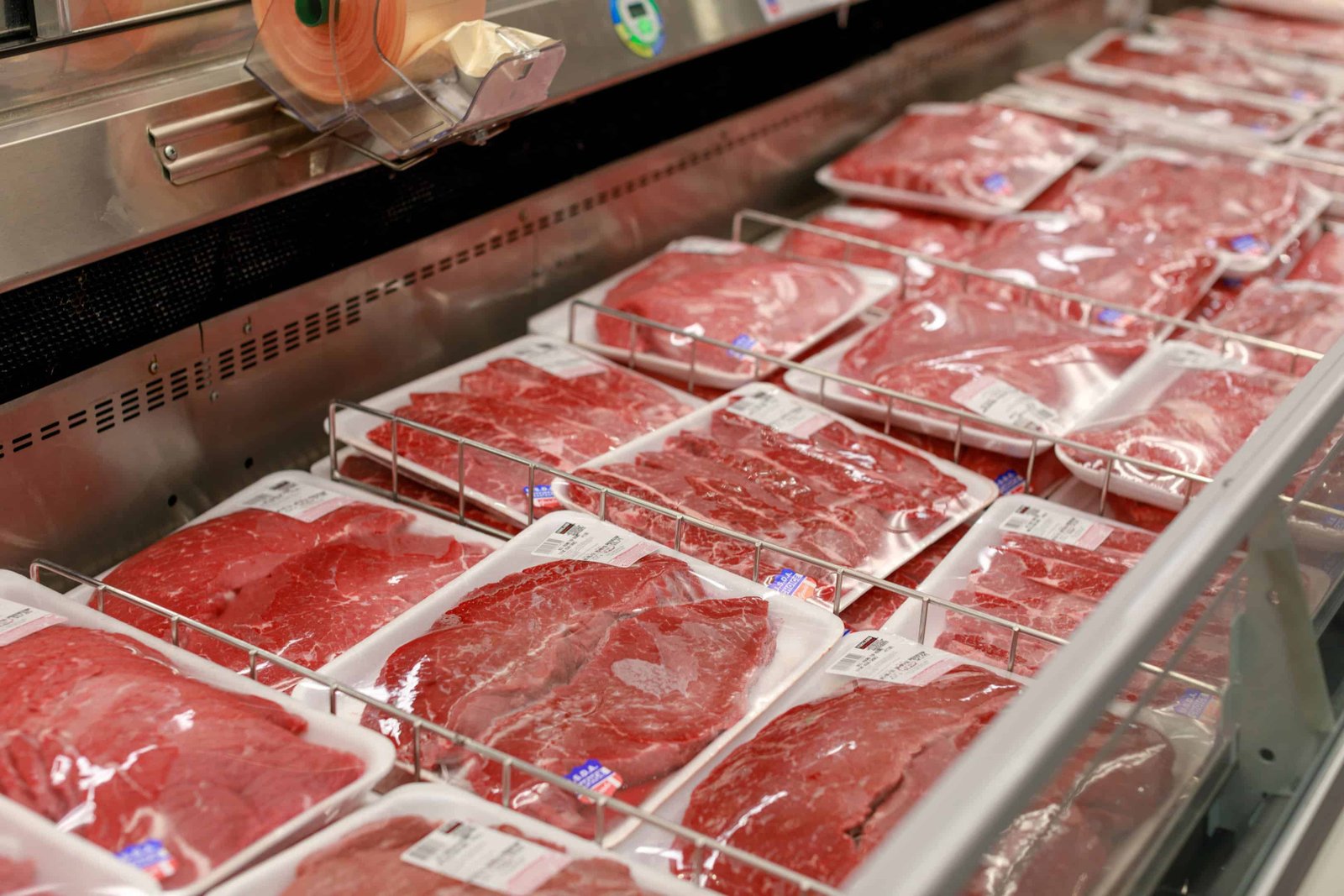
With beef prices expected to remain elevated for several years, grocers may need to explore fresh ways to bring value to their meat departments.
According to the latest consumer price index published by the Bureau of Labor Statistics, average ground beef prices averaged $6.34 per pound and uncooked beef steaks reached $11.88 per pound in July. Both reached record highs, ratcheting up in price by 12.2% and 9.4% year-over-year, respectively.
The higher prices are expected to stick around for a while, as Canadian and American beef herds have shrunk to the lowest levels in decades. From 2016–2020, drought conditions, high feed costs, and overall lean profitability led many ranchers to send more cows to slaughter.
Profits margins in the beef business have also been squeezed by meatpacking plant closings, pandemic disruptions that slowed meat processing operations, high interest rates, and broader inflation, particularly labor costs, in recent years. Tariffs are further expected to put pressure on foreign producers to raise prices -- with the top sources of imported beef coming from Australia, Canada, Mexico, New Zealand, and Brazil.
Demand for Beef Remains High, Despite Soaring Prices
Despite rising prices, there's still plenty of demand for beef. The USDA estimates consumption this year will be up slightly from 2024.
Grass conditions have improved and ranchers are beginning to rebuild their herds to take advantage of the high prices, but supply relief won’t happen overnight. If a rancher decides to keep a calf born this spring, raising a calf to slaughter typically takes 14 to 20 months, with grass-fed cows taking even longer to mature.
"It might be at least two to three years before we would see any significant change on the supply side that would ultimately lead to some moderation in beef prices," agricultural economist Derrell Peel told Newsweek.
“We’re going to be in a tight supply situation, in an elevated price situation for the next two to three years,” Derrell Peel, an agricultural economics professor at Oklahoma State University, told CBS News, “probably to the rest of the decade.”
Walmart Makes a Move to Cut Out the Middleman
To try to keep a lid on prices, Walmart recently opened its first beef facility in Kansas, cutting out the middleman. The facility will process and distribute beef to 600 Midwest stores. Walmart U.S. EVP John Laney said in a statement, “This is the first case-ready facility fully owned and operated by Walmart, and that milestone ensures we’re able to bring more consistency, more transparency and more value to our customers.”
McDonald’s last fall sued multiple meat companies on accusations they colluded to inflate the price of beef.
Continuing high beef prices could reopen an opportunity for plant-based meats. A study from researchers at Martin Luther University Halle-Wittenberg found people prefer meat alternatives -- if they are significantly cheaper than real meat.
Grocers may increasingly emphasize less-expensive meat options such as chicken or pork, and lesser-known cuts of beef, if the price of the latter meat continues to remain inflated.
An article published by the Food Institute notes that rising beef prices are also causing restaurants to reduce portion sizes, rotate in lower-cost cuts, or introduce blended menu items -- in conjunction with raising prices.