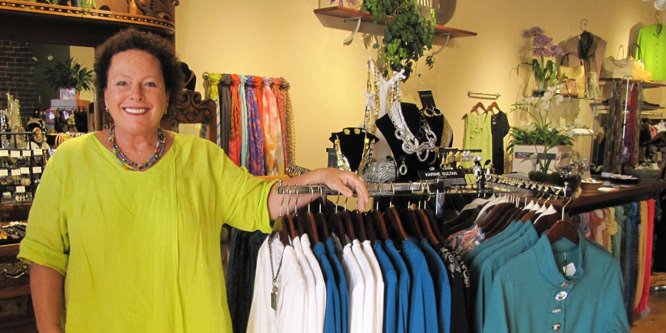
Photo: Judi's of Nevada City
Brian Kilcourse
Through a special arrangement, what follows is a summary of an article from Retail Paradox, RSR Research’s weekly analysis on emerging issues facing retailers, presented here for discussion.
On a recent weekend shopping trip, the proprietor of Judi’s of Nevada City, a women's wear store in North California, seemed a little down. She expressed her concern that her business efforts “might all be for nothing.”
The sentiments weren’t surprising with the news lately heralding doom-and-gloom for “the store.” A speaker at a small business conference she just attended also basically told her, “You’re toast!”
Judi said, “We do everything here. We work with vendors directly. I pick out the buttons and the fabrics, and we try to work with companies with local ties, not some big manufacturer that we’ve never met. I just have to believe that people see the value in that. You won’t see these fashions in a Macy’s or a Target and you can’t buy them on Amazon. Why wouldn’t people want that?”
My answer was simple: “They do.”
Not only do I feel that way, I think it’s the natural outcome of all the big retail trends occurring. The more products commoditize, the more people will enjoy an antidote to all the sameness. Think of the popularity of some antidotes to commoditization: heirloom tomatoes instead of the perfectly red, round, and tasteless ones you can get at the supermarket; a good microbrew IPA instead of a Bud; that perfect-fitting sports coat from “the Hong Kong tailor” instead of the off-the-rack one that actually costs more.
This all goes back to something my old boss said to me years ago, that “retail is entertainment.” Given the opportunity to pamper yourself, most of us will indulge from time to time — it’s fun! And I can’t think of a better way for someone to pamper themselves than by finding that unique “something” to wear that makes them look good. But more than that, Judi works with her customers, finding the right sizes, the complimentary pieces and accessories and helps put together the whole ensemble.
For “the store” to thrive in this digital era, everyone in the store needs to think — and act — like sole proprietors. As a consumer, I’d love to see it.