DISCUSSION
Lyft rides wave of social responsibility to fix food deserts
Written by RetailWire Staff
Photo: Getty Images/adamkaz
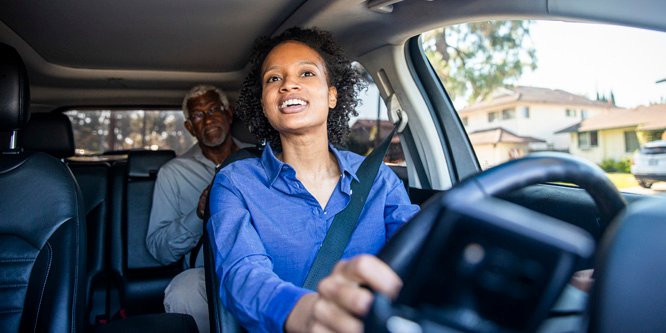
Food deserts continue to be a huge social problem that charities, government and the private sector are all working to remedy. One of the biggest names in today’s gig economy, Lyft, has been using the rideshare model to offer a remedy, and is now expanding its efforts.
Lyft announced the launch of the first phase of its grocery access program in Prince George County, MD, according to Patch. The program will service 100 families in the area and will be in place through June, 2020. The program allows people in areas identified as having limited access to a full service grocery stores to take a Lyft to a car-distance away Aldi, Giant Food or Safeway at a flat rate of $2.50. The program is part of Lyft’s City Works initiative, a set of programs the rideshare company has rolled out meant to maximize its positive impact in cities.
The move is an expansion of Lyft’s City Works program, begun in January 2019 with a pilot in Washington, DC and then opened to 12 additional cities mid-way through the year, according to Mashable.
While Lyft has, with programs like City Works, taken steps to position itself as a "more ethical" rideshare service than its major competitor, Uber, the startup still sometimes comes under fire.
Critics argue that "gig-economy" services like Uber and Lyft keep workers in economic precarity and use the independent contractor distinction as a way to avoid ensuring certain protections and benefits.
Programs from different quarters that address food deserts have become more prevalent as awareness has grown on the issue, and customers have come to expect an increased level of social responsibility from the retailers and services they use.
Earlier this year, Kroger took the unusual step of donating a building to a competing regional grocery chain, Superlo Foods, when Kroger’s move out of an underserved market in Memphis would have left the area with no full-service grocery store. Kroger also began piloting its Mobile Grocery Mart in Kentucky, a miniature grocery store on wheels which makes regular stops in underserved, low-income neighborhoods.