iStock.com/Robert Way
On his first quarterly analyst call, Nike’s new CEO Elliott Hill vowed to stop competing against wholesale partners while making sport “our North Star” again to drive product innovation and marketing reach.
The longtime Nike executive was brought back in October after a digital-led direct-to-consumer (DTC) push and lackluster innovation led to market share losses to longstanding competitors (i.e., Adidas, New Balance, and Skechers) and upstarts (On and Hoka).
He highlighted five near-term reset actions:
- “Ignite our culture through a focus on obsessing sport and getting back to winning.”
- “Accelerate a complete product portfolio driven by athlete-insights through sport-led fields of play.”
- “Increase investment in our brand to deliver big, bold marketing statement.”
- “Invest in and empower our teams in key countries and cities to win the ground game.”
- “Elevate the marketplace, through a more premium Nike direct and an unwavering commitment to our wholesale partners.”
Hill claimed that the world’s largest sportswear brand had lost its “obsession with sport” and announced that Nike would refocus its product development on addressing the specific needs of sport-focused athletes, tailored by gender. He said, “We will get back to leveraging deep athlete insights to accelerate innovation, design, product creation and storytelling.”
A subsequent overreliance on classic franchises, such as Air Force 1, Dunk, and Air Jordan, led the brand to become “far too promotional,” particularly at its own stores and website, according to Hill. He added, “We’ve already started managing the inventory in our marketplaces and will move faster to return to a pull market for our largest classic footwear franchises. At the same time, the team has been planting the seeds of the next franchises that will fuel growth.”
In marketing, Nike remains committed to sports marketing investments, with a goal of “owning the conversation in sport.” However, more investments are planned with local teams in major cities and countries after recent years prioritizing spending on performance marketing to drive online engagement. Hill said, “We will rebalance, resourcing and empowering our teams on the ground to win with the everyday athletes and influencers.”
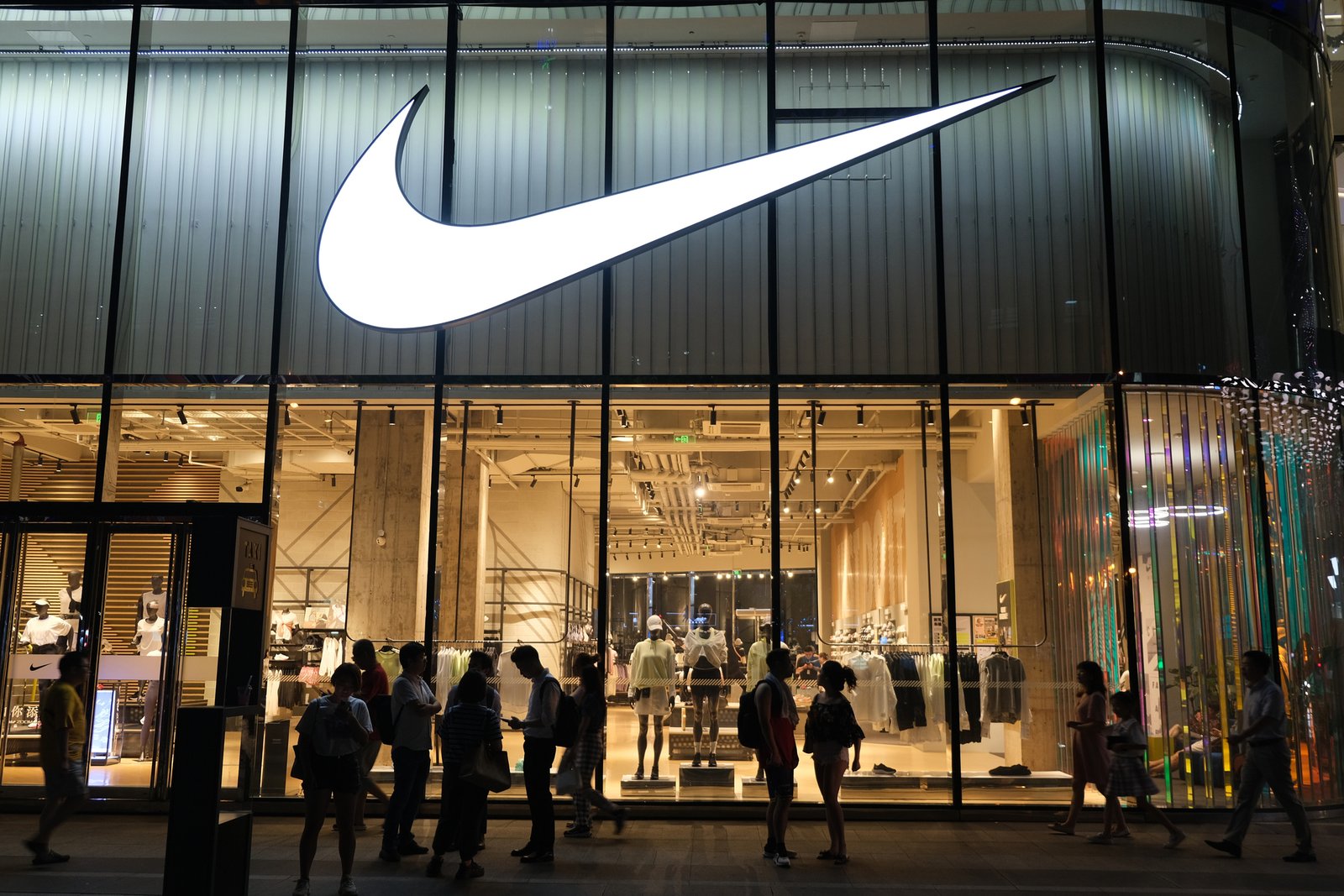
In its go-to-market approach, the brand plans to return Nike Direct, including its owned online operations and physical stores, “to premium destinations” to elevate its broader positioning, according to Hill. At the same time, Nike will seek to re-ignite wholesale growth to rebalance distribution. Hill said, “We know our sales teams will have to earn every open-to-buy dollar but we’re investing to make sure our partners feel supported.”
CFO Matthew Friend said that Nike had been “capturing demand and competing with our wholesale partners rather than creating and growing demand for our brands.” He added that the moves to prioritize full-price selling on Nike’s websites and stores will lead to Nike Direct becoming a “smaller but a healthier and more profitable business.”
In an answer to an analyst question during the call, Hill stated, “The bottom line is there are consumers that want to shop Nike Direct, consumers that want to shop wholesale, and there are consumers that want to shop digital and physical, and we have to show up with the best representation of the Nike brand wherever that is, and we will do exactly that.”
Nike’s sales were down 8% in the second quarter that ended Nov. 30 and are expected to be down low double-digits in the current quarter as the accelerated liquidation of excess inventory, particularly in classic footwear franchises, will lead to a decline in summer order bookings. Margins in the near term are expected to be pressured by reduced investment in performance marketing, promotions to win back shelf space at wholesale, and increased brand marketing activity.