Photo courtesy of NRF
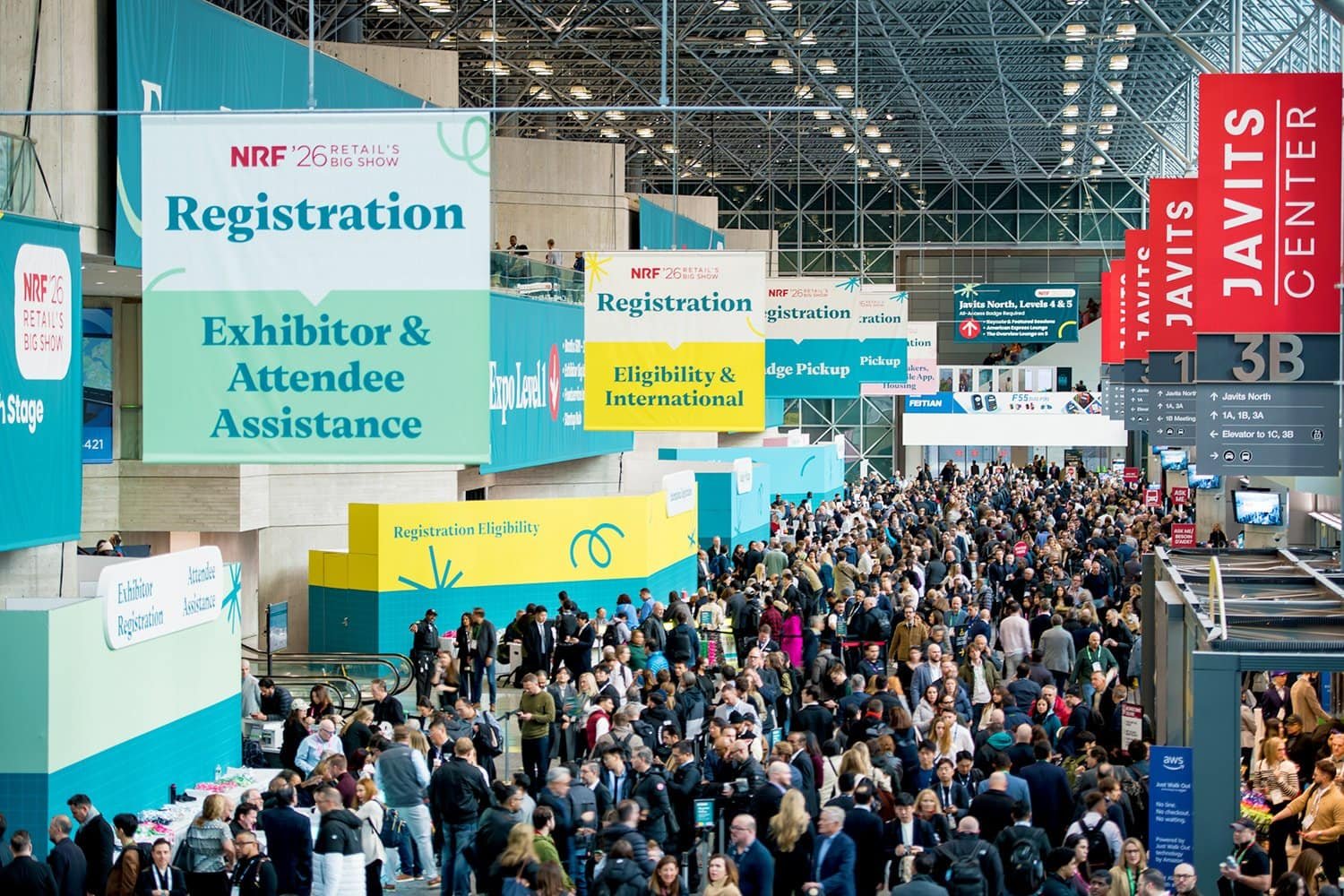
In a session at the NRF Big Show, executives with Best Buy, Nordstrom and Target indicated that despite challenges, online marketplaces are offering numerous benefits, providing seemingly endless aisles of inventory to consumers.
Among the benefits highlighted at the session:
- New categories: Target has benefited from adding more items in home that take up too much space in stores. Nordstrom has been able to fill gaps in online assortments, including items under the $100 price point. Best Buy is able to sell more items complementary to hardware purchases. Frank Bedo, Best Buy’s chief marketplace and e-commerce officer, said, “So, you’re going to Best Buy to buy your TV for the Super Bowl. You can now walk out with a Chicago Bears speaker. Or even a Chicago Bears snuggy.”
- Brand’s full offering: Miguel Almeida, president of digital and customer experience at Nordstrom, said Nordstrom’s online marketplace lets the retailer sell the “full expression of our very best brands.” Among top brands, he estimates 30% to 40% of the product Nordstrom sells online is 1P -- or first-party, owned inventory -- while the remainder is 3P, or those sold by third-party sellers. He said, “All the different styles, colors, and sizes we can offer through an inventory model that has no risk for us.”
- Discovering product: Online marketplaces enable retailers to test new product with limited inventory risk. Sarah Travis, Target’s chief digital and revenue officer, said, “The online marketplace plays an enormous role in in helping us to identify trends and bring product on much more quickly.”
- Traffic driver: Travis said 10% of Target’s external traffic online comes from buyers of 3P product. She said, “When they come into the platform, they're also buying 1P, right? We are able to reach more guests and bring new guests into the platform.”
- Profitability: Initial margins on the sale of 3P product are lower than owned product, but the net margin is seen as higher as retailers avoid markdown risks and delivery costs. Almeida said, “If I look at a value creation standpoint, free cash flow and return on invested capital, these are sales that have that are literally risk free. It's not our inventory.”
One risk is ensuring 3P vendors meet standards for delivery, as well as provide quality imagery and product information within listings. One challenge is reducing friction between 1P and 3P buying teams, and getting buy-in across the organization as online marketplaces are bringing new customers -- and driving traffic to support the traditional wholesale business.
Curation can be more complex with a significant uptick in online offerings. Target’s Travis said, “We want to make sure that we deliver curation for our guests and that every moment they have with us feels like Target.”
The greater abundance of items available online can also lead to choice paralysis, or being overwhelmed by too many options to make a selection. Nordstrom’s Almeida expects advances by agentic commerce will further tailor offerings to consumer’s tastes.
“Our digital vision is becoming the Spotify of fashion,” said Almeida. “If you think about Spotify, it's a virtually unlimited music catalog and yet, for a consumer of Spotify, it does not feel overwhelming. It feels that Spotify knows you. It knows the occasion. It can replay all the music that you love but also very elegantly introduces you to new genres, to new bands. And that's what we're trying to do. But instead of bands, we're talking about brands and talking about fashion. And so that has been the overarching vision that our strategy is aligned to.”