DISCUSSION
Should grocers welcome Instacart’s warehouses?
Written by Tom Ryan
Instacart has announced plans to partner with grocers to build micro-fulfillment centers within dedicated warehouses and existing retailer locations. Doing so is expected to speed up delivery and reduce the costs.
The move represents the first phase of Instacart’s “next-generation fulfillment initiative” to bring automated technology solutions to retail partners.
“With the rapid adoption of online grocery shopping that’s taken place over the last year, the grocery industry has experienced an accelerated transformation that’s required retailers to reimagine their e-commerce footprint and explore new technologies to meet the needs of their customers,” Instacart wrote in a blog.
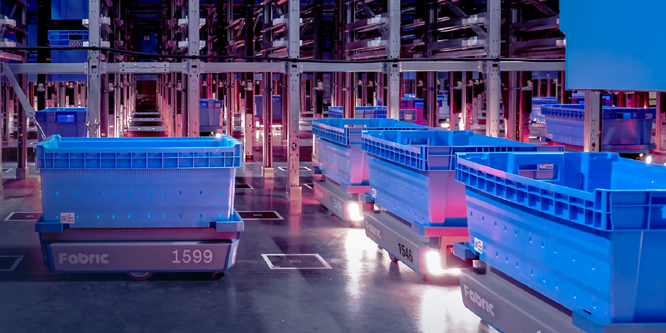
Instacart has entered into a multi-year strategic deal to have Fabric serve as fulfillment automation partner to support the warehouses, which will have capacity for 10,000 to 50,000 items. Robots will pull items from the warehouse and Instacart’s shoppers will pack and deliver orders.
Instacart’s delivery workers may also take on the extra chore of placing orders in staging areas for curbside pickup. They will, however, avoid many of the hassles of in-store shopping, including crowded aisles, out-of-stock items and long checkout lines.
The in-store experience for customers may likewise improve without Instacart’s shoppers clogging aisles and checkout lines. Increased efficiencies may speed delivery and improve the profitability of e-commerce and BOPIS for grocers.
Mark Schaaf, chief technology officer, Instacart, said in a statement, “Over the long-term, we believe partnering with retailers to bring next-gen fulfillment technologies together with the personal touch and care of Instacart’s shopper community will create an even more seamless online grocery experience that’s faster and more affordable for customers and delivers even more value and growth to retailers.”
Automation may help improve Instacart's profitability as it reportedly explores an initial public offering. It may also provide a differential against newer competitors such as Doordash. Retailers have reportedly griped about Instacart's high commission fees.
A number of grocers have opened “dark stores” and micro-fulfillment centers to support online delivery. A new study from Edge by Ascential predicts up to one third of store space could be resourced to fulfill online orders in major channels and larger store formats as e-commerce growth accelerates in the years ahead.
- Instacart Announces Next-Gen Fulfillment Initiative for North American Retailers – Instacart
- Instacart Announces Next-Gen Fulfillment Initiative For Retail Partners – Instacart
- Instacart Forays Into Warehouses in Food Delivery Market – The Wall Street Journal
- Instacart to build warehouses in partnership with retailers – Freight Waves
- Store of the future: Third of physical store space to be ‘dedicated to online fulfilment’ – Netimperative
Discussion Thread0
The RetailWire Daily
One morning briefing: the retail news, expert perspective, and business context to bring into your next meeting.
Want to know more? Learn more