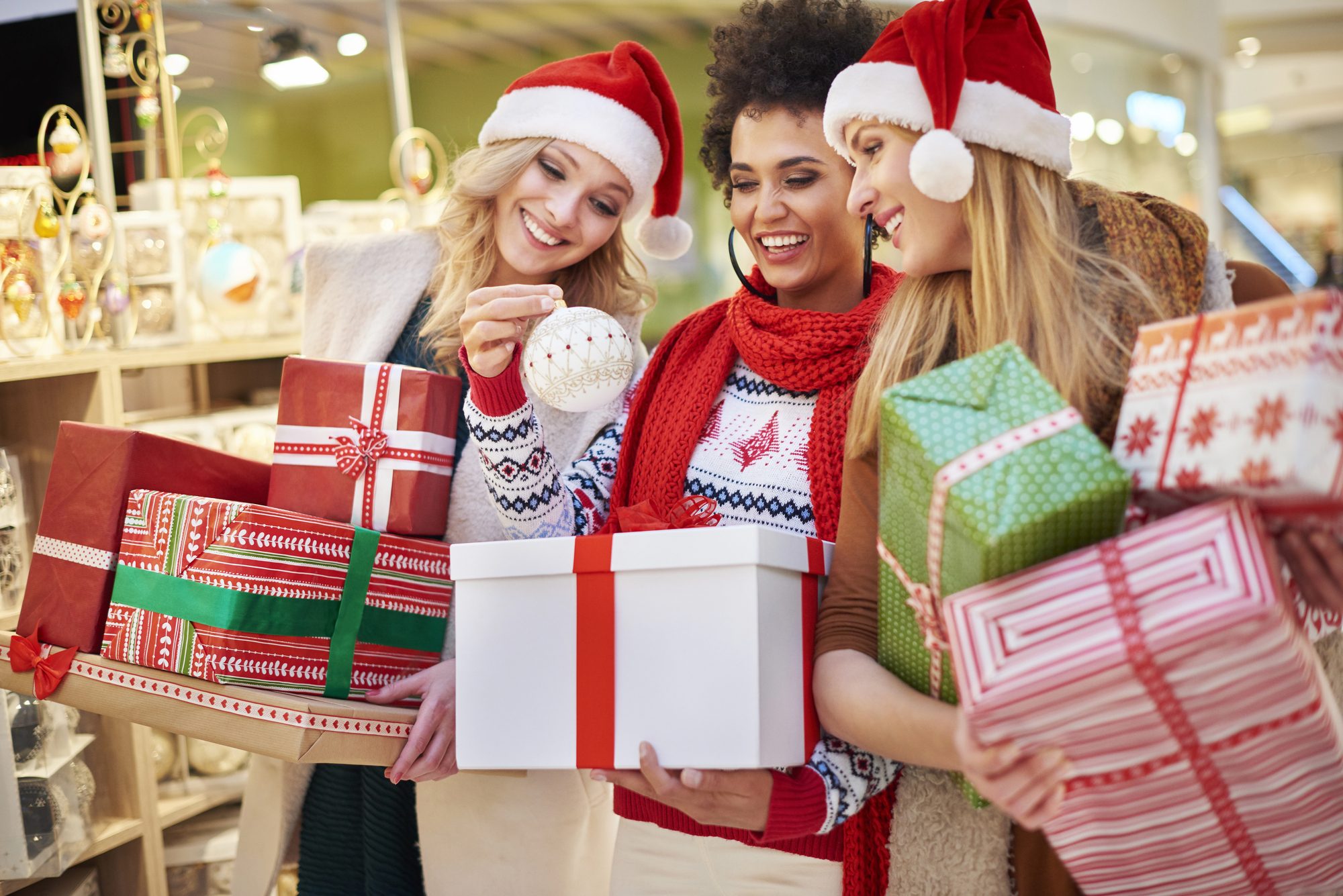
Should Retailers Promote Shopping as a Social Activity More Frequently?
Recent data found within Deloitte’s 2026 Black Friday-Cyber Monday report covered the usual bases – the motivations behind shopper participation, total spend forecasts, and category breakdowns. However, one particular page focused on consumers who had decided to team up with a friend or family member while heading out shopping for BFCM: The results say that this group constitutes a majority, and that they spend more.
According to Deloitte’s survey, more than two-thirds (67%) of Black Friday-Cyber Monday shoppers intended to have company while they shopped, versus just 28% who said they were going solo. Further, the average spend of an individual consumer shopping with a partner was projected at $664 on average, versus $590 for those going it alone.
“Deals draw shoppers in-store, and respondents who come with some plan more trips and bigger baskets,” the report noted, also outlining that 72% of Gen Zers, 65% of millennials, 52% of Gen Xers, and 33% of baby boomers planned to shop in-store on Black Friday.
Another question were brought to the fore by Deloitte. Those shopping with someone for Black Friday were more likely to say that “exclusive in-store deals would make it more social,” with a majority (55%) stating as much, versus just 37% for those shopping the event alone.
Deloitte’s data can be paired with earlier research from CivicScience, which published a report on social shopping versus solo shopping in mid-October. Top-line findings suggest that 40% of American consumers polled shop with others at least a few times monthly, with zoomers and millennials being more likely (at 48% answering in the affirmative) to do so. The holiday season, in particular, was ripe territory for social shopping.
“Those who shop with others multiple times per month are nearly twice as likely as the general population to say they’re shopping in stores more than they typically would at this time of year (41% vs. 23%). Conversely, those who shop with others less often, or not at all, are far more likely to say they’re shopping in stores less,” the CivicScience report authors wrote.
Other notable stats pulled from the CivicScience report:
The outing may matter more than the purchase, for shoppers at least: The motivations for shopping with company appear to be primarily social based, even if the increased spend is good for retailers. Gen Xers (31%) and baby boomers (30%) were more likely than zoomers (17%) or millennials (21%) to say so. Being part of a full day of activities (17% of all respondents said so) and that it was simply more fun shopping with others (15%) were second and third place on the list, respectively.
On BFCM more specifically: Over Thanksgiving weekend, almost half of those who shop with others frequently said they were set to spend more this year than last (49%) versus 36% of all respondents and just 13% of those who always shop alone. And on participation, 68% of social shoppers will be shopping this Thanksgiving weekend, versus 53% of all U.S. adult consumers.
“Shopping with others remains a meaningful part of in-store retail, particularly among younger adults. The shoppers who do it most often are also spending more, visiting stores more often, and planning to turn out over Thanksgiving weekend. Their reasons for shopping together are largely social, which places added weight on the in-store experience. Retailers that understand why shoppers bring others along, and who they bring, may be better positioned to reach high-intent audiences during the busiest stretch of the year,” the CivicScience report authors concluded.w
Questions for further discussion:
Do you believe that shoppers bringing companions along for the trip actually spend more than shoppers going solo? Why or why not? Or is there another element at play that may naturally result in baskets being larger when shopping with a friend or family member?
In your opinion, should retailers consider the notion of social shopping, or shopping with a companion, as a potential incentive area? What sort of promotions have you seen that might encourage shoppers to bring a friend along for the experience? And what advice would you give to brands or retailers looking to increase traffic, spend, or engagement in this fashion?
At the same time, if the motivations for shopping together are largely based on social factors, rather than transactional ones, how can retailers appeal to social shoppers without opportunities coming off as overly, or aggressively, engineered? Would shoppers care, even if they were?
Discussion Thread0
The RetailWire Daily
One morning briefing: the retail news, expert perspective, and business context to bring into your next meeting.
Want to know more? Learn more