mast3r/Depositphotos.com
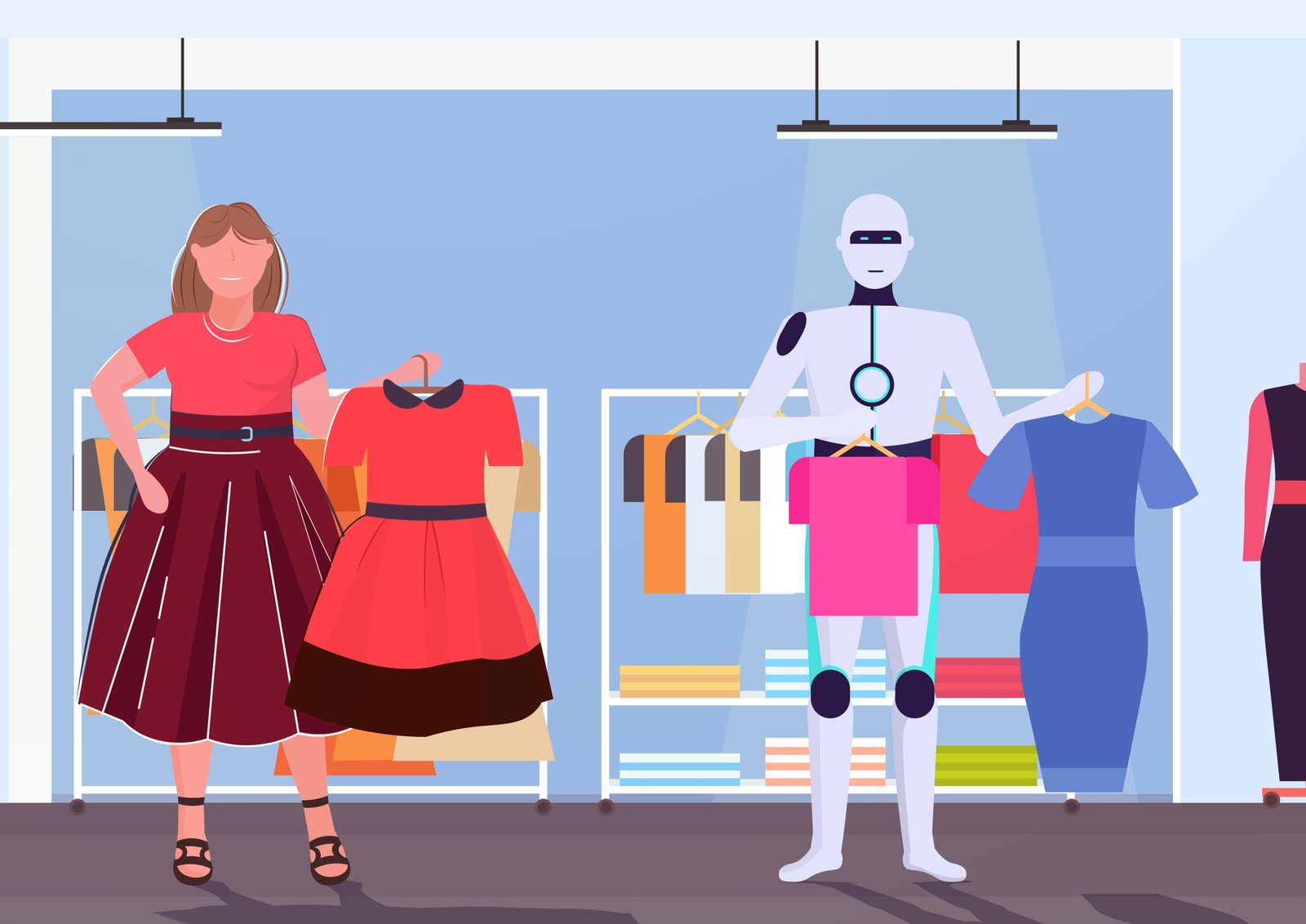
A university study finds that adding anthropomorphism features to frontline robots -- such as humanlike “expressive eyes, emotive voices, and subtle gestures” -- increases bystanders’ empathic responses to help reduce the potential mistreatment of in-store robots.
The researchers at South Korea’s Hanyang University said in a press release, “This does not just improve likability, but also acts as a moral signal -- encouraging customers to treat robots with more dignity and reducing the spread of abusive behavior.”
However, a recent study from researchers at the University of Mississippi found consumers unsettled when robotic shopping assistants look too human or interact beyond completing a task, such as showing emotion or telling jokes.
"Our results suggest that the 'uncanny valley' theory is at play," said Barry Babin, marketing professor at the University of Mississippi. “Basically, when nonhuman things look or act too human, we react with a sense of creepiness. In highly anthropomorphic conditions, the sense of uncanniness can create a negative reaction. Thus, when the robot looks human and tries to joke around, it does not come across well."
Babin noted that robots can be made with humanlike appearances and mannerisms, but also work as a flat-screen panel or ATM. Babin added, “Particularly when a robot is humanlike, it should just be designed to provide utilitarian (practical) benefits."
Humanoid Robots Entering Service Roles
Humanoid robots nonetheless are becoming a common sight in hotels worldwide, from Tokyo to Las Vegas, and robotics makers continue to explore ways to make robots appear more human. A research team from Osaka University has created a technology enabling androids’ facial expressions to dynamically convey mood states like “excited” or “sleepy” by generating facial movements modeled as overlapping, decaying waves.
Research from Washington State University found people are more comfortable talking to female rather than male robots working in service roles in hotels.
“People have a tendency to feel more comfort in being cared for by females because of existing gender stereotyping about service roles,” said Soobin Seo, a professor of hospitality management at WSU. “That gender stereotype appears to transfer to robot interactions, and it is more amplified when the robots are more human like.”
At Stop & Shop, appeal for Marty, its robot that checks for spills and checks stock, has grown since the northeastern grocer added “googly” eyes, began celebrating his birthday, and dressed him up to celebrate the holidays. Marty has become brand ambassador, even making an appearance at Fenway Park, and is available in a plush doll format.