Is the Stanley Craze Truly Over, and Can the Brand Sustain Its Success?
mattofowler/Depositphotos.com
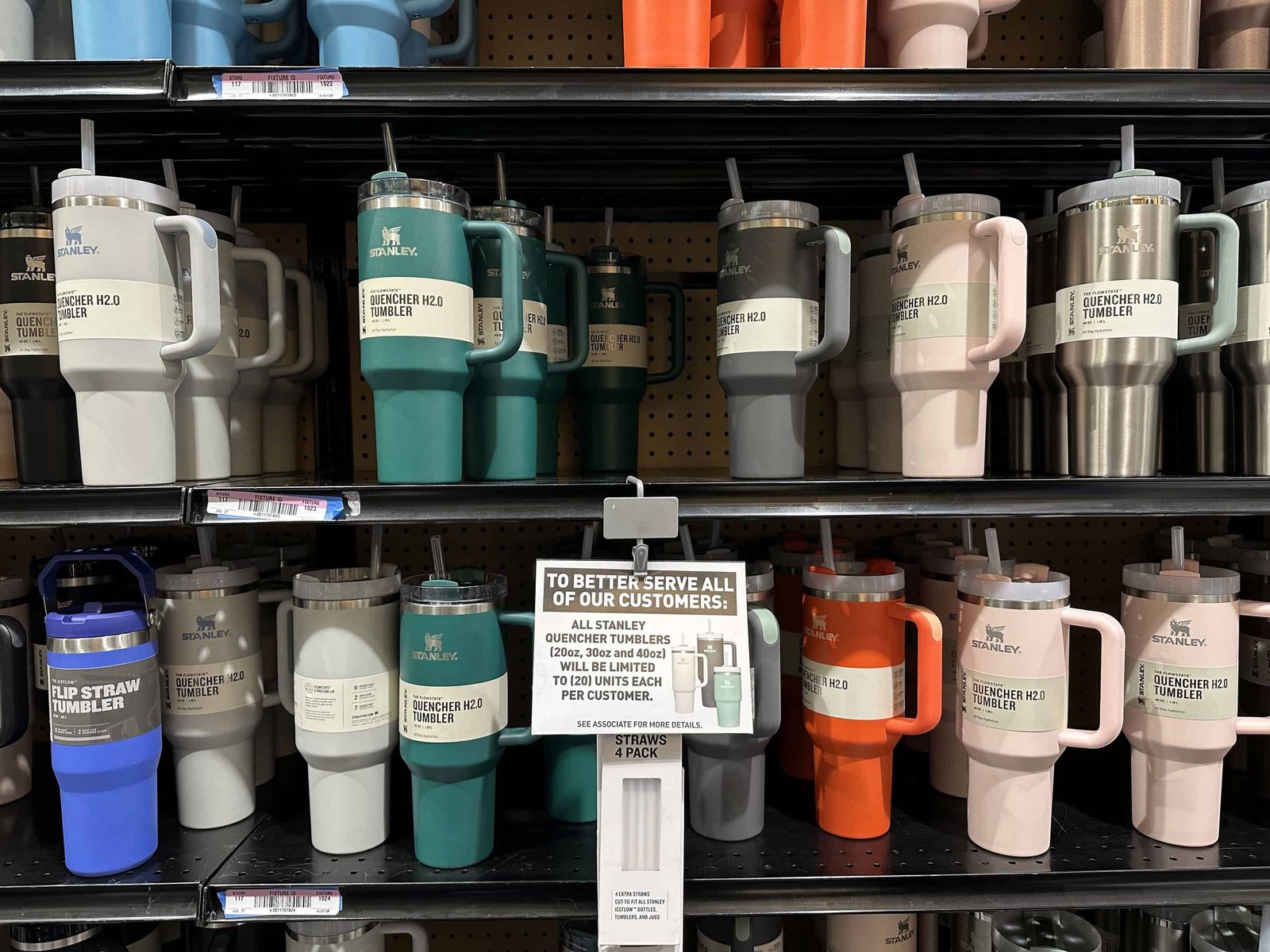
The so-called Stanley craze was evident on social media platforms the world over as the COVID-19 pandemic drew to a close, with its iconic drinkware offerings seen in the hands of TikTok influencers, celebrities, and fashionistas on the street in recent years.
Now, as Modern Retail reported, that hype seems to have died down — or at least greatly diminished — with questions remaining as to whether Stanley (and other notable competitors such as Yeti) can sustain the degree of success it saw during the height of its recent popularity.
Citing Matt Tucker, a sports equipment analyst for Circana, the outlet noted that sales of bottles and insulated containers had declined each month spanning September 2024 through February 2025, largely due to the proliferation of these products in addition to growing consumer appetites for pre-packaged beverages. Broadly speaking, this segment of the drinkware market grew by 38% in 2023, but just 14% in 2024, suggesting some degree of saturation.
“I think it’s a little early to tell what the true indicator is, but we’re certainly seeing a settling of the hydration category in the U.S., in particular, which is why we’ve worked so hard over the last 12 months to really push into other parts of the world,” Stanley Global President Matt Navarro told Modern Retail in March.
“[Staying ahead in this segment has] never been harder, but I think our team is also well suited to meet that challenge for the next six or eight months," he added.
Stanley May Need To Sustain Its 'Third Era'
Stanley's global president then pivoted to describe the three eras of the company, with the first being its initial pitch to blue-collar workers seeking durable and reliable drinkware on the job. Stanley then pivoted to capture the outdoor enthusiast market, from hikers and skiers to backpackers and hunting/fishing enthusiasts. Finally, kicking off the craze, Stanley broke into a younger, female-oriented market by introducing color into its product lineup.
Now, as part of that third era, Navarro indicated that Stanley would have to pursue even greater innovation — and global markets that may not have reached a saturation point yet — to continue driving sales.
“We were able to be a disrupter in a bit of a stale space. That’s continued really strongly through through 2024. I think we need to continue to bring relevant, innovative products to the market to see that continue," Navarro said. And while North America, Europe, and Asia continue to provide strong numbers for the brand, the South American market, among others, remains enticing for future business.
And beyond moving into cooler bags and wearables — the opposite strategy taken by competitor Yeti, which started off in the cooler and container space before moving into drinkware — and expanding its international market aims, Stanley sees opportunity in partnering with relevant names.
“In the next 60 or 90 days, you’re going to see some incredible partnerships and collaborations from Stanley with athletes, entertainers and folks who are at the heart of culture,” Navarro said. “We still stay very connected [to customers] and are at the heart of culture, and we continue to move from a product or utility to a cultural, global lifestyle brand.”
Stanley has notably already launched collabs with e.l.f. and the Barbie property, as well as notched a big partnership with soccer star Lionel Messi.
Tariff Concerns Mount, but Stanley Has Made Moves To Stay Resilient Despite Trade War
Even prior to the ramping up of tariffs initiated by President Donald Trump, Navarro indicated that Stanley had worked hard to diversify its product sourcing to solidify its supply chain, a move which may pay dividends as the tariff war appears to intensify.
"It’s changing so fast and so rapidly,” Navarro said.
“We feel really confident in the resiliency, efficiency and flexibility of the supply chain we’ve built over the last couple of years to continue to be able to bring our products to market for consumers at the right price, at the right time, in the right way. And we’ll continue to evaluate as things unfold, both from a political and geoeconomic standpoint,” he added.