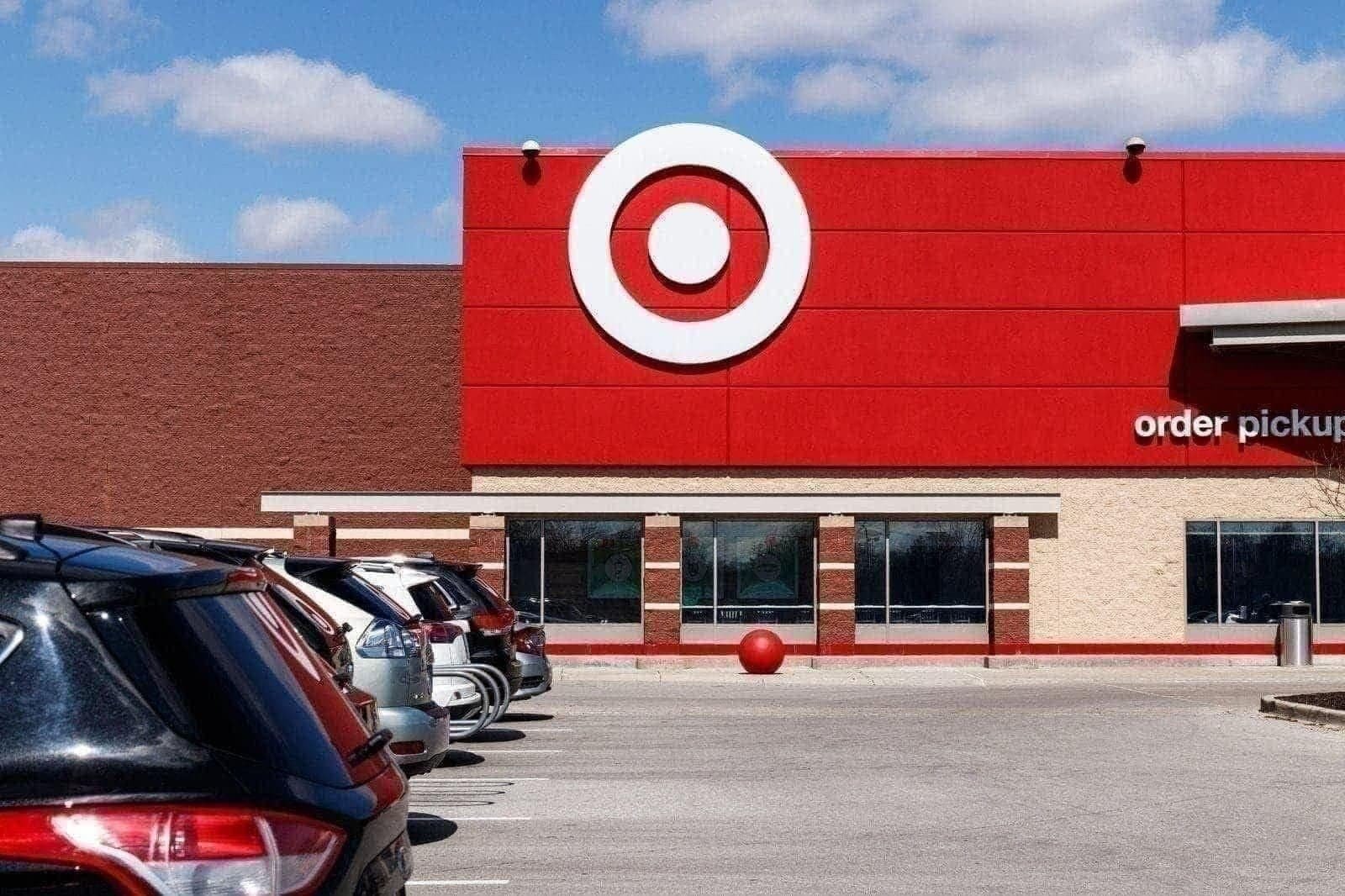
As Target’s Ulta Partnership Expires, Will its New Beauty Studio Design Be an Adequate Replacement?
Target’s shop-in-shop partnership with Ulta Beauty expired on August 16, with both parties being gracious about the conclusion of the team-up in a shared statement issued last year, as Retail Dive’s Dani James reported.
However, stepping in to fill the gap in about 600 stores across the ~2,000 Target locations across the U.S. will be the new Target Beauty Studio design, which will not only serve as one portion of a greater turnaround effort headed by CEO Michael Fiddelke but will also be integrated via specific beauty-oriented rewards tied to the retailer’s loyalty program.
RetailWire BrainTrust panelist and GlobalData managing director Neil Saunders indicated that Target would likely see a relatively painless pivot away from Ulta:
“Even without Ulta, Target’s beauty business is huge. So, the ending of the partnership is something they will take in their stride — even if it probably did initially come as a bit of a blow,” he told the outlet, underscoring the potential for greater margins as part of the move.
Target’s Beauty Shop Concept Could Have a Strong Foundation
Other data points which might be encouraging news for Target’s plan pulled from James’ report:
- Target itself is showing recent strength on fundamentals: Q1 earnings proved that the turnaround play was displaying signs of traction, with net sales up 6.7% YoY to $25.4 billion and — more specifically — beauty category net sales shooting up by 9.5% to reach ~$3.4 billion.
- Both prestige and mass beauty sales are growing in the U.S.: Concerning prestige beauty products, U.S. sales tied to this segment improved by 7% YoY to hit $17.1 billion throughout the first half of this year, and mass market beauty products saw a similar rate of growth to reach $39.2 billion, per Circana.
- Walmart is also showing confidence in the American beauty market: The blue-and-yellow-branded retailer is likewise interested in capturing a bit of the booming beauty market, having announced in April that it would be doubling-down on a new, specialized beauty store associate role to be implemented across 425 of its stores.
Further, according to Ally McPartland — strategy consultant at Kearney, with expertise in the beauty and luxury business — there’s broad-based opportunity for mass retailers to shoulder into the segment alongside mainstays such as Sephora and Ulta.
“The line between ‘mass retailer’ and ‘beauty specialist’ is getting thinner from both directions at once. The beauty consumer is no longer choosing between mass and specialty. They’re assembling their basket across channels, judging every retailer on the same scorecard: curation, experience, convenience, and community,” McPartland said, noting Kearney data suggested that nearly half (45%) of American beauty consumers purchase via mass channels (and that nearly the same proportion, or 44%, buy through specialty retailers).
“Where that goes next depends less on which channel a shopper ‘belongs’ to than on how each retailer responds to where consumers’ preferences and behaviors are headed,” she added, underscoring that it may be difficult for beauty shoppers to complete their entire list of beauty products while also shopping for household goods and groceries.
Discussion Thread0
The RetailWire Daily
One morning briefing: the retail news, expert perspective, and business context to bring into your next meeting.
Want to know more? Learn more