Alexander2323/Depositphotos.com
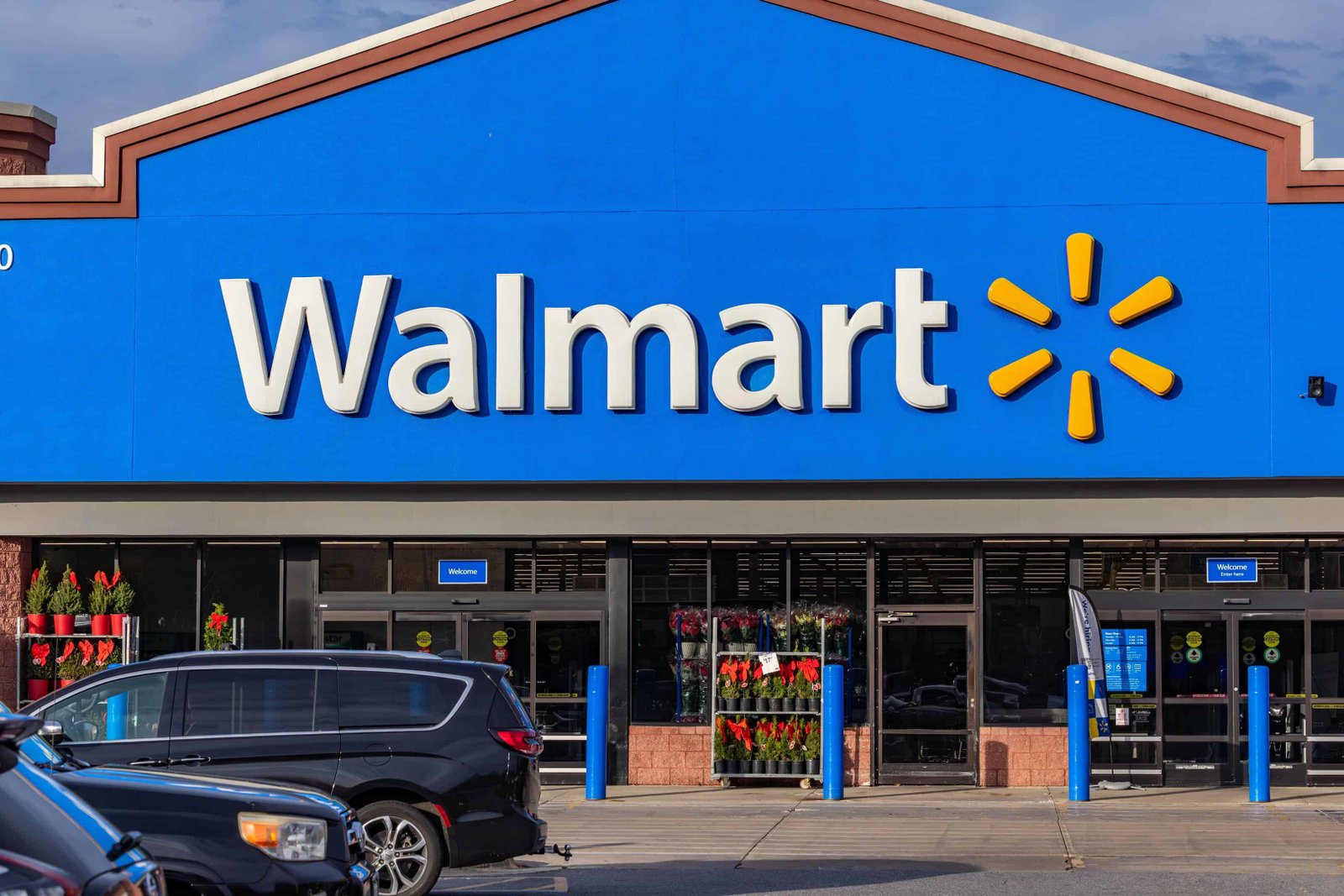
Walmart announced plans to roll out digital shelf labels (DSLs) to all Walmart U.S. locations within the next year -- from 2,300 currently -- despite growing concerns they’ll ultimately be used to bring dynamic pricing to stores.
Walmart highlighted the main benefit from DSLs, also called ESLs (electronic shelf labels), as “accurate, consistent” shelf pricing for customers. Without DSLs, associates have to walk up and down aisles swapping out paper tags by hand. With more than 120,000 items in a store and thousands of weekly price updates, including rollbacks and temporary price adjustments, the process of replacing paper tags could take “hours, if not days, to complete.”
With DSLs, pricing changes can be done “in minutes” to ensure pricing consistency. Walmart said, “Associates review and push approved changes through a secure system, typically outside of shopping hours, so prices remain stable and consistent during the day. That means customers see clear, consistent prices at the shelf that match what they are charged at the register. This builds customer trust.”
DSLs also enable associates, using a mobile device, to activate LED lights on shelf labels to quickly identify where items need to be restocked. LED guidance can also help associates find items faster when fulfilling online orders. The saved time eliminating the manual task of switching paper tags further frees up associates to focus on stock replenishment and helping customers.
Other benefits cited include easier-to-read labels and reducing paper waste.
Walmart's Push Toward More Digital Shelf Labels Stirs Further Controversy Over Dynamic or Surge Pricing
News of Walmart’s rollout nonetheless stirred up concerns that DSLs will lead to dynamic or surge pricing, where retailers or other businesses quickly change the cost of products or services based on fluctuations in demand due to weather or traffic -- or even using personal data like location, browsing history, and purchase patterns to set individualized prices. Amazon and other online players continuously adjust and evaluate prices based on real-time supply and demand.
In its statement, Walmart implied it had no plans to use DSLs for dynamic pricing. Walmart said, “It’s important to remember that prices are the same for all customers in any given store and are consistent regardless of demand, time of day or who is shopping. DSLs simply modernize how prices are displayed at the shelf.”
Walmart also stressed that DSLs operate on a closed system and do not interact with or collect information on shoppers. The retailer added, “Some have wondered what these labels can do. Once you see how simple they are, it clicks: there’s nothing like a camera or microphone in them, they just display prices.”
At least a dozen states are considering legislation to prevent dynamic pricing, or AI-driven algorithmic/surveillance pricing, at the store level. Some are seeking to outright ban DSLs. Proposed legislation in Pennsylvania would prohibit changing prices within a 24-hour period.
Amid the legislative and Walmart’s actions, the National Retail Federation on March 5 released a video and statement from Mercy Du Beehler (NRF's VP of Government Relations) stressing that ESLs don’t enable surge pricing or constant changes, track customers, or collect personal data. Du Beehler also called out the benefits Walmart highlighted.
Du Beehler concluded, “Implementing electronic shelf labels helps retailers ensure accuracy and reliability, an important step to establishing credibility with customers.”