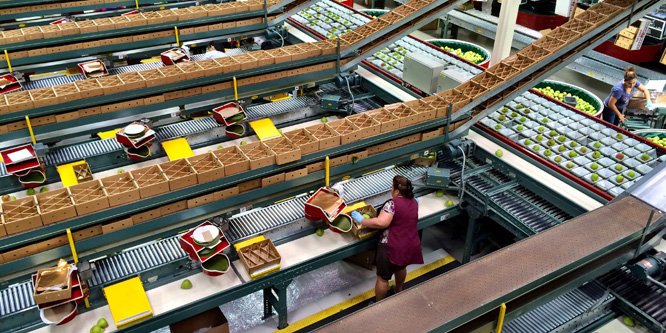
Photo: @ancientplanter via Twenty20
Only 15 percent of U.S. retailers have completed supply chain digitization, according to a study from Gravity Supply Chain Solutions. Perceived costs and ROI concerns were seen as primary hurdles.
Supply chain digitization uses a cloud-based platform that promises real-time supply chain visibility. Other than digital, retailers use hybrid (manual and digital) and manual (i.e., spreadsheets, e-mails, telephone calls) models.
According to the survey of 500 U.S. and U.K retail executives, 49 percent that have not started digitizing said the main factor preventing them from doing so is cost.
The concerns over costs could be attributed to a fear of failing to deliver needed return on investment considering that 29 percent of overall respondents cited the inability to justify cost as the biggest threat to their supply chains.
Indeed, digitization of the supply chain wasn’t seen by many as the absolute answer to omnichannel execution. Only 16 percent of respondents indicated digitization was “very critical” to creating seamless omnichannel retail experiences versus 45 percent indicating “somewhat critical” and 23 percent "not very critical."
The study did, however, find significant benefits to digitization. Of those who have fully digitized their supply chains, 76 percent believe their organization has enough data and insight to make the right decisions about its supply chain. Companies said that the prime benefits were the ability to respond quicker to trends and shipment disruptions and lowering costs due to efficiencies gained.
Tracking products on spreadsheets remained the top pain point for those relying on manual processes.
Overall, 46 percent of respondents described their supply chain management as manual. Of those, 49 percent had yet to begin planning for a digitization project and only 22 percent were at the planning stage.
Interestingly, 39 percent of digitized retailers cited difficulty integrating various systems as a primary blocker to digitization efforts versus 13 percent of those either partially or not digitized. Nineteen percent of overall respondents indicated that the main blocker to digitization is lack of in-house skills. The same 19 percent said the biggest internal supply chain threat is a reluctance to change the culture within their businesses.