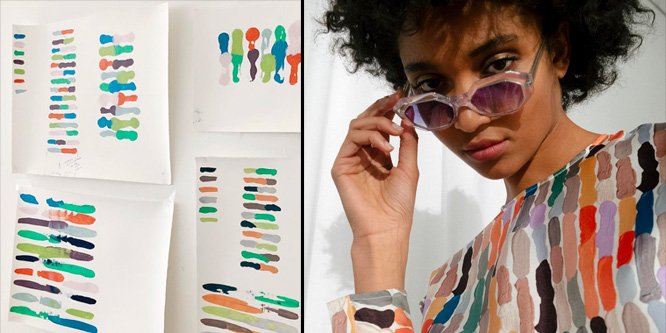
Photos: where Mountains Meet
Most of us have heard about how micro-influencers are revolutionizing the face of marketing, but there is a new breed of artisan that is similarly disrupting the fashion and retail sectors: The micro-designer. The micro-designer is the antithesis of fast-fashion designers who replicate runway trends for immediate consumption by the masses. Instead, the micro-designer sells small-batch goods — meaning that 500 units or less are produced in one run.
The goods produced by micro-designers are either handmade or manufactured locally. The quantity is often limited, so when a designer or retailer sells out of the products, they’re out. The limited production of small-batch products, the story of how the goods are made and the background of the artisans are often more meaningful selling points for consumers than the goods themselves.
Whether micro-designers are growing in visibility and popularity as a result of the maker movement or the technological revolution is debatable. What we do know is that the American retail market is over-stored, so would-be designers and store-owners often need less up-front capital to get rolling. In addition, artisans no longer have to wait for their line to get picked up by a major retailer to start selling their goods.
CB Insights reports, “The dawn of Etsy made it easy for anyone to start an online shop and build a following. Now, decreased production costs make it feasible for small or emerging brands to manufacture small runs of products at reasonable margins and build up online audiences from there.”
While micro-designers in U.S. communities work in various retail verticals and make use of a wide range of styles and production methods, they are alike in offering consumers a more human, local alternative to fast-fashion and the environmental havoc it wreaks.
As the co-owners of the sustainable fashion start-up, Where Mountains Meet, told Vogue, “We love that we’re able to develop a committed, personal relationship with our factory owners, as well as keep a close eye on production quality. Shopping locally and supporting the local industry are the best things you can do to be a part of the environmental and social responsibility equation.”