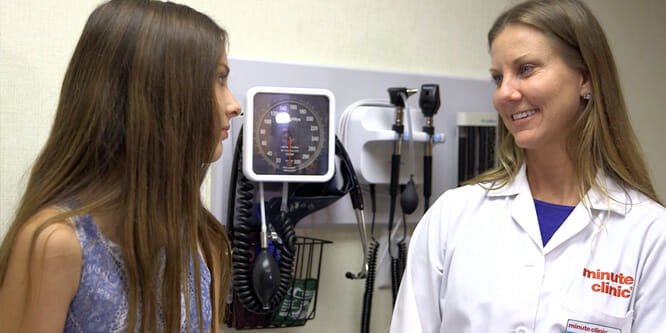
Source: CVS Health
In justifying its planned $69 billion merger with Aetna (perhaps to anti-trust regulators), CVS detailed how the entire health care system should benefit from broader use of data and analytics, leading to improved patient health at substantially lower cost.
In its press release announcing the deal, CVS cited helping patients avoid unnecessary hospital readmissions as an example of the potential cost savings to be gained in the merger.
“Twenty percent of Medicare patients are readmitted to the hospital soon after being discharged at significant annual costs, much of which is avoidable,” CVS wrote. “Readmission rates can be cut in half if patients have a complete review of their medications after discharge from the hospital to help them manage their care at home.”
In addition, CVS pointed out that home devices to monitor activity levels, pulse and respiratory rates can be used to prevent readmissions. CVS plans to establish “health hub” locations at many of its stores to answer patients' detailed questions.
“Rather than feeling lost and confused, selected high risk patients discharged from the hospital, or their caregivers, will be able to stop at a health hub location to access services such as medication evaluations, home monitoring and use of durable medical equipment, as needed,” CVS wrote. “All of these services will complement and be integrated with the care provided by their physician and medical team.”
Some believe providing more transparency and access to patient information will reduce the need for follow-up or additional care and overall keep consumers healthier. Joel Naroff, of Naroff Economic Advisors, told consumeraffairs.com, "If that happens, they would indeed lower healthcare costs."
Skeptics see combining companies only providing more leverage to raise prices. The merger is expected to lead to other combinations, driven in part by Amazon’s expected entry into health care.
Not surprisingly, many are also expressing their privacy concerns as medical data is merged with purchase data. Ingrid Lindberg, president of loyalty marketing at Kobie Marketing and former chief experience officer at Cigna, told Fox Business, “Now your insurance company could know that you bought unhealthy snacks at the drugstore even though you have high blood pressure, and perhaps then charge you a premium.”
- CVS Health to Acquire Aetna; Combination to Provide Consumers with a Better Experience, Reduced Costs and Improved Access to Health Care Experts in Homes and Communities Across the Country – CVS Health press release
- Can CVS and Aetna really lower healthcare costs? – Consumer Affairs
- CVS buys Aetna as Amazon threatens to upend health care industry – Fox Business