What Is Visual Merchandising? Role, Skills & Principles
Visual merchandising is the retail practice of designing product displays, store layouts, and window displays to engage customers, promote products, and increase sales. It shapes how a store looks and feels the moment a shopper walks in, and it directly influences what they notice, pick up, and buy. This guide explains what visual merchandising is, what a visual merchandiser does, the principles behind effective displays, and the skills the role requires.
What is visual merchandising?
Visual merchandising is the design and arrangement of a retail environment to make products appealing and easy to shop. It covers window displays, in-store product layouts, signage, lighting, and the colors, sounds, and fragrances that shape the shopping experience. The goal is practical: guide customer attention, present products in their best light, and influence buying decisions.
The discipline traces back to the late 19th century. Around 1883, Harry Gordon Selfridge helped formalize visual merchandising while working at Marshall Field's in Chicago, replacing high counters with open display tables so shoppers could reach and browse products directly. He also pioneered the use of store windows to show off merchandise, according to Wooqer. As the department store rose, visual merchandising grew into a core sales tactic built on visual storytelling.
What does a visual merchandiser do?
A visual merchandiser conceptualizes, designs, and executes the visual displays that shape a store's shopping experience. The role combines creative design with commercial goals, and the day-to-day work centers on four responsibilities:
- Designing displays: Building store windows and in-store displays by arranging products, props, lighting, and signage to match the brand's image. Displays are updated regularly for seasonal trends, new product launches, and sales events.
- Planning store layouts: Designing the floor plan to guide customer flow, encourage product interaction, and maximize sales per square foot, placing products and pathways to lead shoppers through each section.
- Maintaining brand image: Keeping colors, materials, lighting, and signage consistent with the brand's aesthetic so every display communicates its values.
- Supporting sales: Working with marketing, sales, and inventory teams and using sales data and customer behavior to position products where they sell best.
The measure of the job is simple: customers should find what they came for quickly, discover other products along the way, and experience a store whose brand image stays consistent throughout.
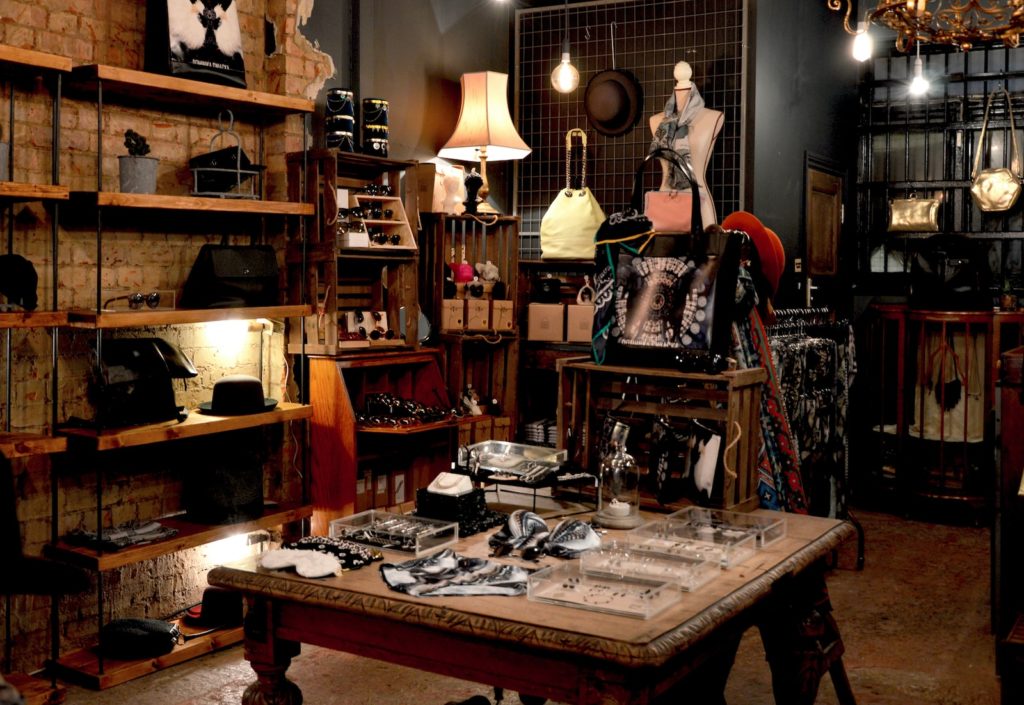
Principles of visual merchandising
Effective displays rely on a few core principles that visual merchandisers apply across windows, shelves, and the store as a whole:
- Focal points: Design displays that draw the eye and give shoppers a clear place to look first.
- Store layout and flow: Place products and pathways to move customers through the space and increase sales per square foot.
- Color, balance, and proportion: Use color theory and design fundamentals to create displays that feel harmonious and hold attention.
- Brand consistency: Match materials, lighting, and signage to the brand's identity so the message stays coherent.
- Seasonal refreshes: Update displays for new seasons, launches, and promotions to keep the store current.
Skills a visual merchandiser needs
Visual merchandisers combine creative and analytical thinking. The role calls for a specific mix of skills:
- Creativity: Designing distinctive displays that stand out and attract customers.
- Spatial awareness: Making the most of the available space, from a single shelf or window to the entire store.
- Color theory and design: Applying color, balance, contrast, and proportion to build engaging displays.
- Analytical skills: Reading sales data and customer behavior to decide which products to promote and how to display them.
- Communication and collaboration: Working effectively with marketing, sales, and inventory teams.
Beyond building displays, a visual merchandiser's routine work often includes brand analysis, competitor studies, market and sales research, inventory maintenance, safety checks, store updates, and consultation with other teams.
Why visual merchandising matters for retailers
Visual merchandising is a critical component of a retailer's success. A well-executed strategy strengthens a brand's image, increases customer engagement, and directly affects sales. It creates a shopping experience that sets a brand apart from competitors and builds a connection with customers beyond a single transaction. It also works hand in hand with a store's strategic retail layout and store design.
At its core, a visual merchandiser is a storyteller who uses design to craft a narrative that fits the brand and appeals to its audience. The work is not only about making a store look good; it is about building an environment that engages customers, presents products well, and drives sales.