Source: Google
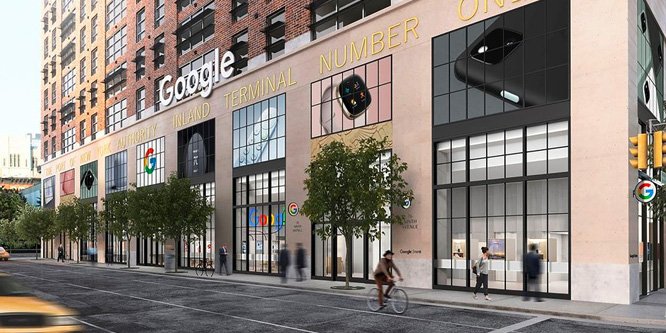
Google went searching for a new platform to sell its consumer electronics products and found the answer in opening its own store in the Chelsea section of Manhattan.
The online search and technology giant plans to open a permanent location this summer that will sell a wide variety of Google merchandise, including Chromebooks, Fitbit devices, Nest smart home products and Pixelbooks.
Shoppers will be able to browse in the store before making a purchase or buy items online and pick up what they bought at the location.
The store will spotlight the interconnectivity between Google’s products so that consumers can experience how the devices can be used in their daily lives. Google will staff the store with company experts to walk shoppers through its portfolio of products, provide help on installations and make repairs, such as cracks in screens. The store will offer workshops throughout the year to assist users of its products with the know-how to make the most of the devices.
The Chelsea store will be colocated in the same building as Google’s New York office. The company has been in the city for 20 years and sees the store as an extension of the brand and a symbol of its “commitment to the city.”
Google has not indicated if it has plans for further retail space going forward, only that its strategy is to meet with customers to get their feedback as it continues “to explore and experiment with the possibilities of a physical retail space and build upon the experience.”
The company’s early move into physical retailing, not counting pop-ups it has used in the past, is clearly brand centric and comes at a time when the Google Store has failed to gain meaningful traction online as it goes up against Amazon.com and other platform competitors.
The disparity between Amazon and Google is particularly evident when you look at research that points to the former as the primary shopping search destination online, even as the latter holds the lead overall.
Google has offered a variety of perks to make itself more attractive as a marketplace to sellers but its numbers, which measure in the four digits, pale in comparison to Amazon, which hosts millions of vendors whose sales account for more than half its retail dollar sales volume.