wolterke/Depositphotos.com
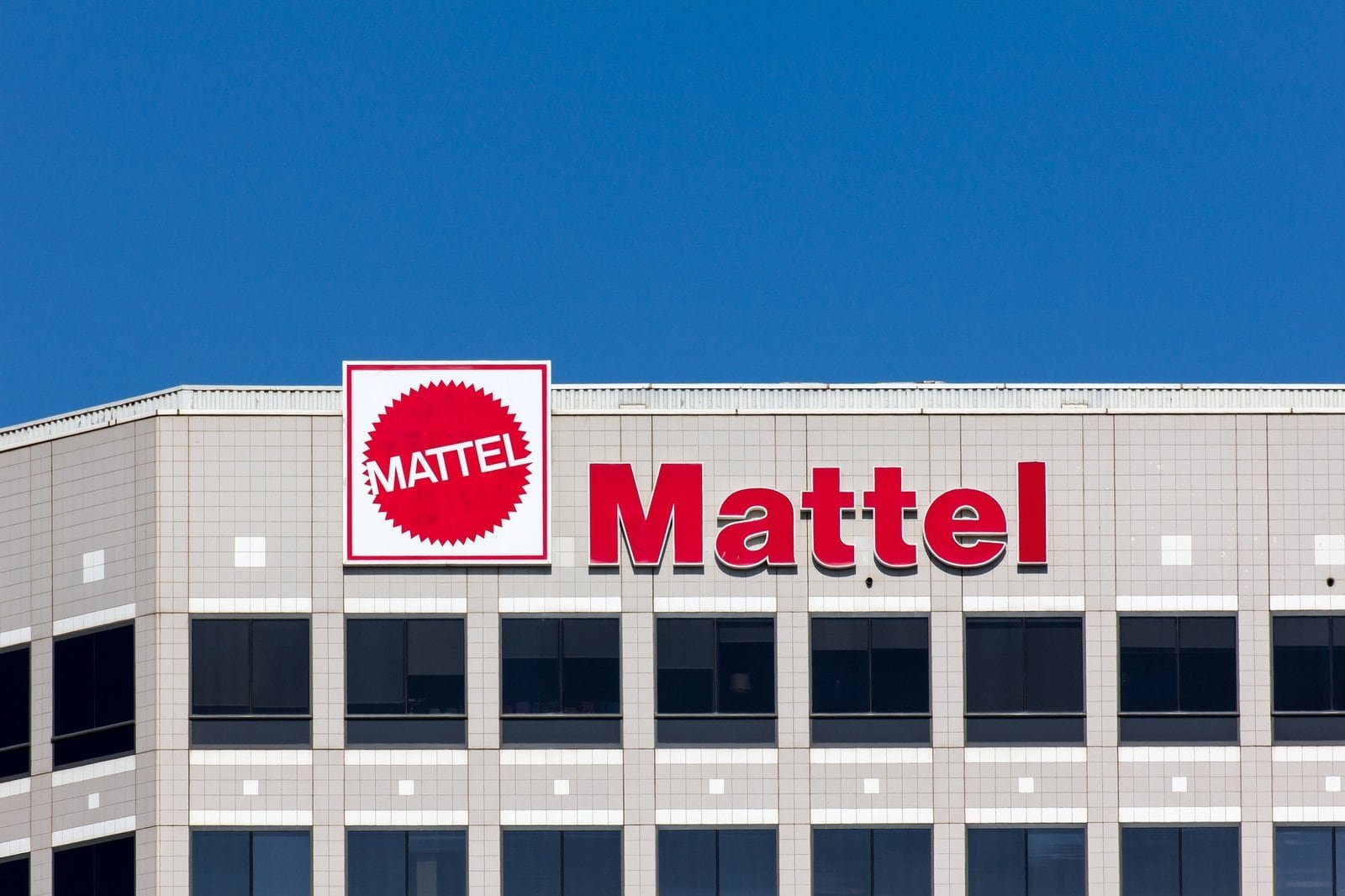
In a tale of two toy companies detailed by Forbes senior contributor Joan Verdon, the recent fortunes of competing giants in the space -- Mattel and Hasbro -- were examined.
Hasbro has been exhibiting strength as of late, driving $2 billion in revenue last year. An enormous portion of that revenue was generated by the continuing interest in Magic: The Gathering (MTG), a collectible card game that has since expanded into a major IP. The acquisition of Wizards of the Coast, the publisher behind both MTG and the also-lucrative Dungeons & Dragons property, in 1999 has paid off massively for Hasbro, alongside other strong IPs in its roster. Hasbro's most recent earnings report, filled with good news, caused the stock to soar.
Mattel's share price, by contrast, has cratered during the same time frame -- down ~23% over the past five days.
"The sharp contrast between the back-to-back earnings reports, and Wall Street’s reactions to them, highlighted the ways in which Hasbro is winning in this new age of play, and Mattel is playing catchup," Verdon wrote.
Mattel To Follow Hasbro's Move Into IP-Heavy Operations (He-Man, TMNT) and Digital Products
In a potential acknowledgment of Hasbro's successful pivot into IP-driven, digital-first business operations, Mattel signaled a willingness to refocus efforts in this regard -- particularly targeting adult collectors as a lucrative shopper demographic.
Mattel CEO Ynon Kreiz noted that the acquisition of full ownership of the Mattel163 mobile games studio (previously a joint effort, operating in tandem with partner NetEase) was one step toward "the continued expansion beyond physical product."
“We see content, licensing and digital games as key high-margin growth drivers and the acquisition of Mattel163 is an important building block of this strategy,” Kreiz added.
Mattel is also making bold moves into popular IPs, including an upcoming licensing partnership with Paramount around the ever-popular Teenage Mutant Ninja Turtles property. Action figures and licensed products are slated to hit shelves next year, with theatrical releases also planned for 2027 and 2028.
For this year, Mattel will be hoping they will have the power as "Masters of the Universe" hits cinemas June 5, while the John Cena-led "Matchbox: The Movie" is expected to fill theaters in October.
"Other licensing partnerships Mattel is betting on to drive sales include KPop Demon Hunters with Netflix, DC with Warner Bros, Disney Princesses, Minecraft, and WWE," Verdon wrote.