iStock.com/hapabapa
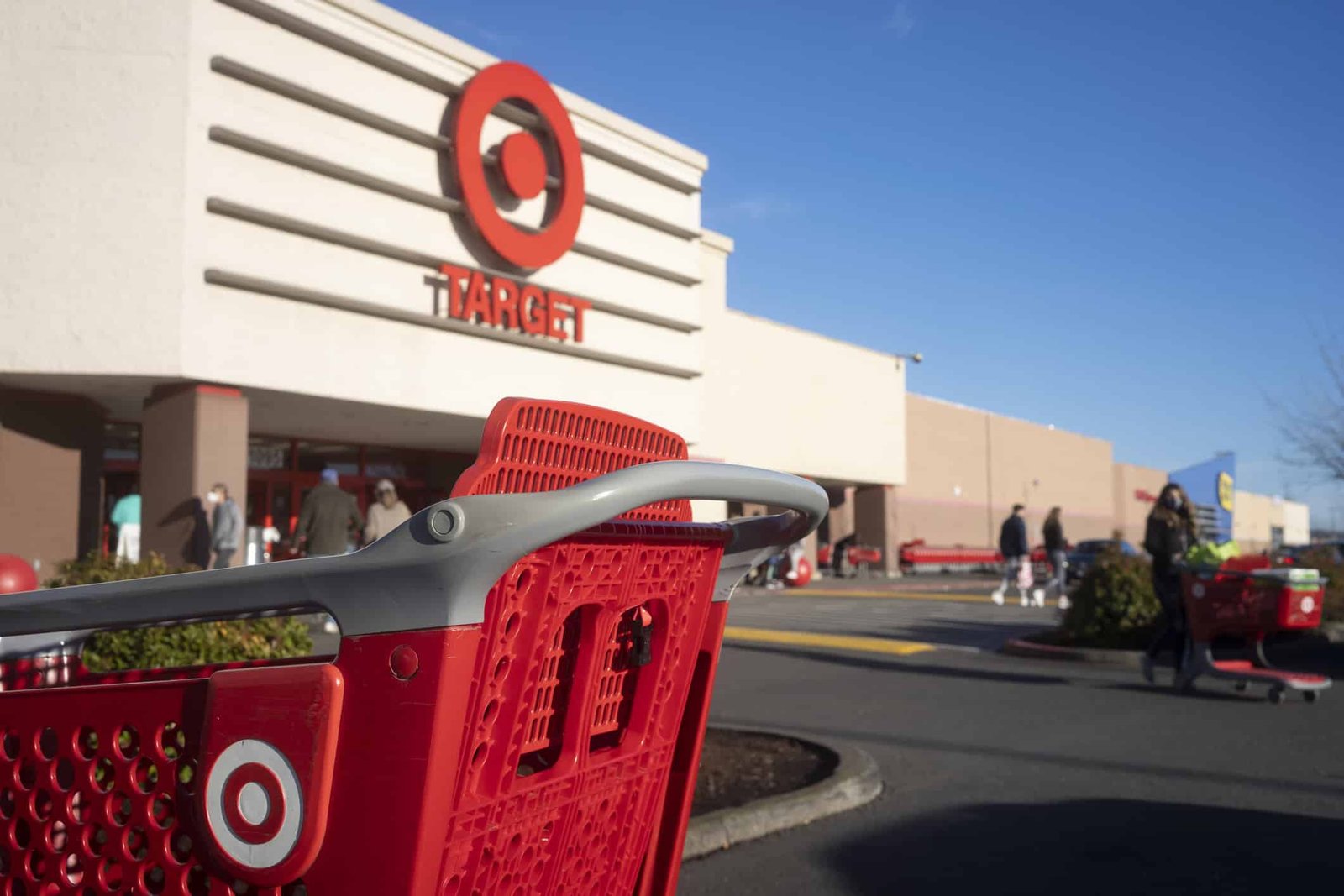
It's the end of another era for Target: The red-and-white brand has announced that its price-matching policy will be heavily restricted, limited to scenarios in which a customer finds the exact same item for a cheaper price at Target's brick-and-mortar stores, or website, within two weeks of purchase.
Notably, the new policy excludes any price matching of Amazon or Walmart prices, which the retailer had honored previously. The new policy will take effect as of July 28, as CNN Business reported.
With this move, Target joins a number of other retailers who have either scrapped or significantly curbed their own price-matching policies. Amazon does not have a price matching policy -- given its market dominance in the ecommerce space and reputation for relative low prices, it may not need to have one -- and Walmart wrapped up its larger price-matching policy in 2019. In the latter case, there is a very limited price-matching policy still in place: Items purchased in a Walmart store in the U.S. can be price matched against identical items advertised on Walmart.com, with store managers ultimately having full discretion as to whether to honor any match.
And while Target's move could be tied to its recent operational woes -- stores open at least a year reported a 3.8% sales decline during the most recent quarter -- fueled by tariffs and other significant headwinds, times during which price matching was almost something taken for granted by most retail consumers have certainly changed.
Speaking to USA Today, a Target spokesperson pointed toward a broader retail segment trend of moving away from liberal price-matching policies.
"[Eliminating the price match for Walmart and Amazon items] generally speaking puts us in line with what the rest of the industry already does," the spokesperson said.
Best Buy, Home Depot, eBay, and Others Continue To Offer Price Matching (With Conditions, in Most Cases)
Despite Amazon completely opting out of the price-matching game and Walmart having greatly curtailed its own, some retailers do still engage with the practice.
Best Buy, for example, states that a product "could be eligible for a price reduction if it’s new, identical to the competitor’s product, immediately available at a qualifying competitor’s store or on its site, and not shown on Best Buy’s exclusion list," per The Verge.
Home Depot, Lowe's, Dell, HP, Lenovo, eBay, Microsoft, Google, and Newegg also offer some form of price-matching policy, although these are subjected to a substantial number of restrictions and requirements, varying from company to company.