mkopka/Depositphotos.com
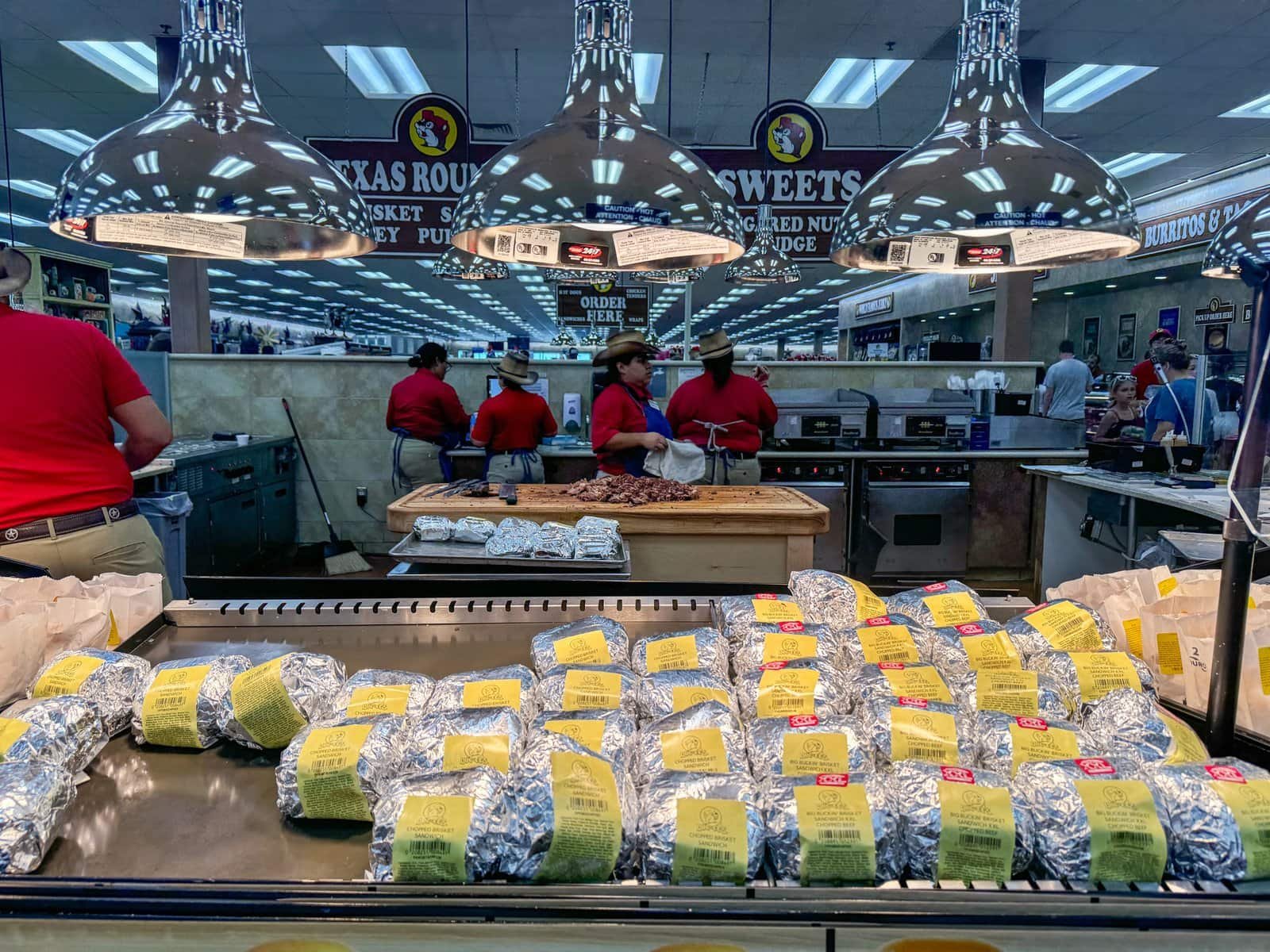
As the convenience store business continues to grow and mature, it appears that the latest focus has been highlighting foodservice and merchandise, with heavy emphasis on the former category.
According to recent data provided by the National Association of Convenience Stores (NACS) at the organization's State of the Industry Summit, food and merchandise sales across the United States hit $341.2 billion last year, a 1.7% improvement over 2024's figures. That also represents more than two decades (23 years in fact) of consecutive inside sales growth.
"Foodservice once again led in-store sales, accounting for 28.5% of the total. The category has grown significantly over the past two decades, up from 11.9% in 2005. Its impact on profitability is even greater, contributing 38.9% of in-store gross profit dollars in 2025," a press release stated.
"Foodservice includes prepared food, commissary items and hot, cold and frozen dispensed beverages. Prepared food—pizza, chicken, burgers, sandwiches, wraps and salads—remains the largest segment, representing 73.9% of foodservice sales, up from 66.4% in 2021," it added.
Other interesting revelations pulled from the NACS statement:
- Packaged beverages, alternative snacks take No. 2 spot: With packaged beverages capturing nearly 19% of sales (an increase of 0.8% versus 2024) and snacks such as jerky, seeds, and nuts) growing by 7.9%, it's apparent that assortment in these categories is becoming more important for c-store retailers.
- Gas sales down: Although c-stores command a massive 80% market share of U.S. fuel sales, total sales saw a downturn of 5.4%, from $501.9 billion in 2024 to just over $463 billion last year -- largely driven by a fall in gas prices in 2025.
- Gas sales represent (marginally) smaller percentage of gross profit versus foodservice: Surprisingly, and although the numbers are very close, fuel represented 65% of total sales dollars for c-stores, but just 38.8% of gross profit dollars. By contrast, food accounted for 28.5% of in-store sales, but an impressive 38.9% of gross profit dollars.
Expenses Rise at a Slower Pace as Transactions Fall
Other metrics indicated that overall operating expenses -- including wages, benefits, card fees, utility costs, maintenance costs, and shrink -- hiked upward by 4.2%. However, this represents the slightest increased year-over-year since the COVID era.
On the other hand, transaction volume tumbled. When considering both fuel and in-store transactions, the average c-store racked up 45,160 transactions per month over 2025, representing a 2.7% decline from 2024's numbers.