DISCUSSION
Should Amazon be charging for ‘curated’ toy guide placements?
Written by Tom Ryan
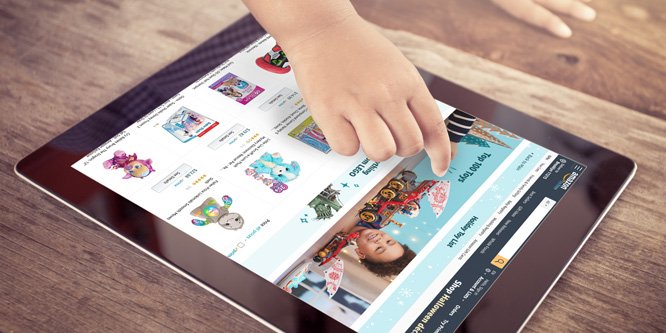
Amazon.com charged as much as $2 million for brands to be featured in its just-released Holiday Toy List guide. While less than a Super Bowl ad (estimated at $5.25 million for a 30-second spot), the payments underscore Amazon’s increasing clout in advertising and also some inherent conflicts.
According to documents obtained by Bloomberg, the more companies pay, the better placement and the more products they can showcase. Amazon’s goal was to sell at least $20 million in sponsorships for this year’s list.
One potential conflict is transparency. On its Holiday Toy List page, Amazon says the list is “thoughtfully curated to help shoppers quickly tackle even the lengthiest holiday shopping lists” and makes no mention that some items showcased may be backed by advertising funds. Parents may be thinking they’re viewing independent recommendations. Reports indicate it’s hard to define legally when paid advertising has to be called out.
Amazon said in a statement to the media, “Every product on our annual Holiday Toy List, which features family gift ideas from new releases to customer favorites, is independently curated by a team of in-house experts based on a high bar for quality, design, innovation and play experience. We source product ideas from many places, including our selling partners who have an opportunity to nominate their best toys for the season and increase visibility of those toys.”
Further, Amazon infers that the vendor payments are similar to co-op dollars, slotting fees and other vendor contributions that help brands gain space in Sunday circulars or on selling floors. Critics of such payments, however, have said they bias merchandising decisions by favoring large over small brands. Cameron Albert-Deitch wrote for Inc., “The hefty price tag creates a near-impassable barrier for small vendors on Amazon's platform.”
Amazon has already become the third-largest online advertising platform behind Facebook and Google. Walmart, Target and Best Buy are also touting their ability to use digital footprints to connect purchase to advertising data and help brands target specific audiences.
Discussion Thread0
The RetailWire Daily
One morning briefing: the retail news, expert perspective, and business context to bring into your next meeting.
Want to know more? Learn more