DISCUSSION
Are retailers cutting their way to profitability or slowly bleeding to death?
Written by George Anderson
Photo: Getty Images/WendellandCarolyn
If you’ve been around the retail industry for any amount of time, you’ve no doubt been a part of at least one conversation on how there are just too many stores for the market in the U.S.
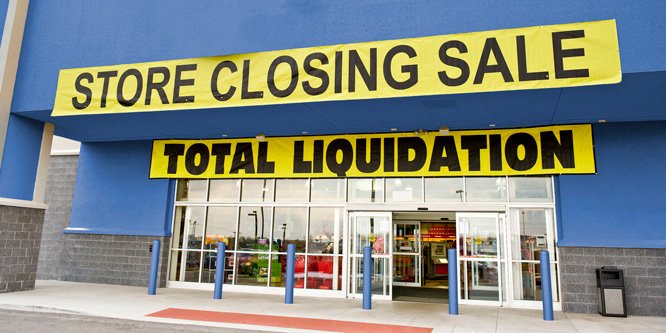
Studies have pointed to the amount of square feet of retail space per capita in the U.S. compared to other developed countries around the world. No one comes close to America. Of course, large retail bankruptcies and subsequent store closings have been part of the domestic retailing scene for a long time. Last year, well before the novel coronavirus pandemic broke out, retailers closed a record number of stores, according to Coresight Research.
The expectations for this year, again before the outbreak of COVID-19, was that the industry would likely set another record. In that regard, at least, the results didn’t disappoint.
It’s not uncommon for retailers to shutter stores that are not performing up to expectations. What some question is the rationale that major chains that close dozens and even hundreds of stores use to explain the wisdom of their moves. The thinking typically goes something like this: Closing stores will reduce costs and an increased focus on digital sales will provide a more profitable way to serve markets where doors are closed. In reality, however, that isn’t what typically happens. Experience reminds us that you can’t cut your way to growth and profitability in the retail world.
A Wall Street Journal article yesterday addressed the topic and the continuing cycle of store closings by national chains.
“No retailer ever announces one round of store cuts — it’s always the precursor to a store bleed,” Simeon Siegel, a BMO senior analyst, told the Journal. “Most companies we looked at had lower revenue and profit than before they started closing stores.”
Mr. Siegel said that when stores are closed, retailers often have to increase marketing expenses to try and hold onto market share via their digital business. The result is typically not good from either a top or bottom line perspective.
- Retail Chains Shed Stores, but It Isn’t Good for Business – The Wall Street Journal
- Will store closures worsen in 2020? – RetailWire
- Will a smaller Macy’s be a better Macy’s? – RetailWire
- What will retail look like if half of department stores close? – RetailWire
- The coronavirus will accelerate retail’s ‘collapse of the middle’ – Retailwire