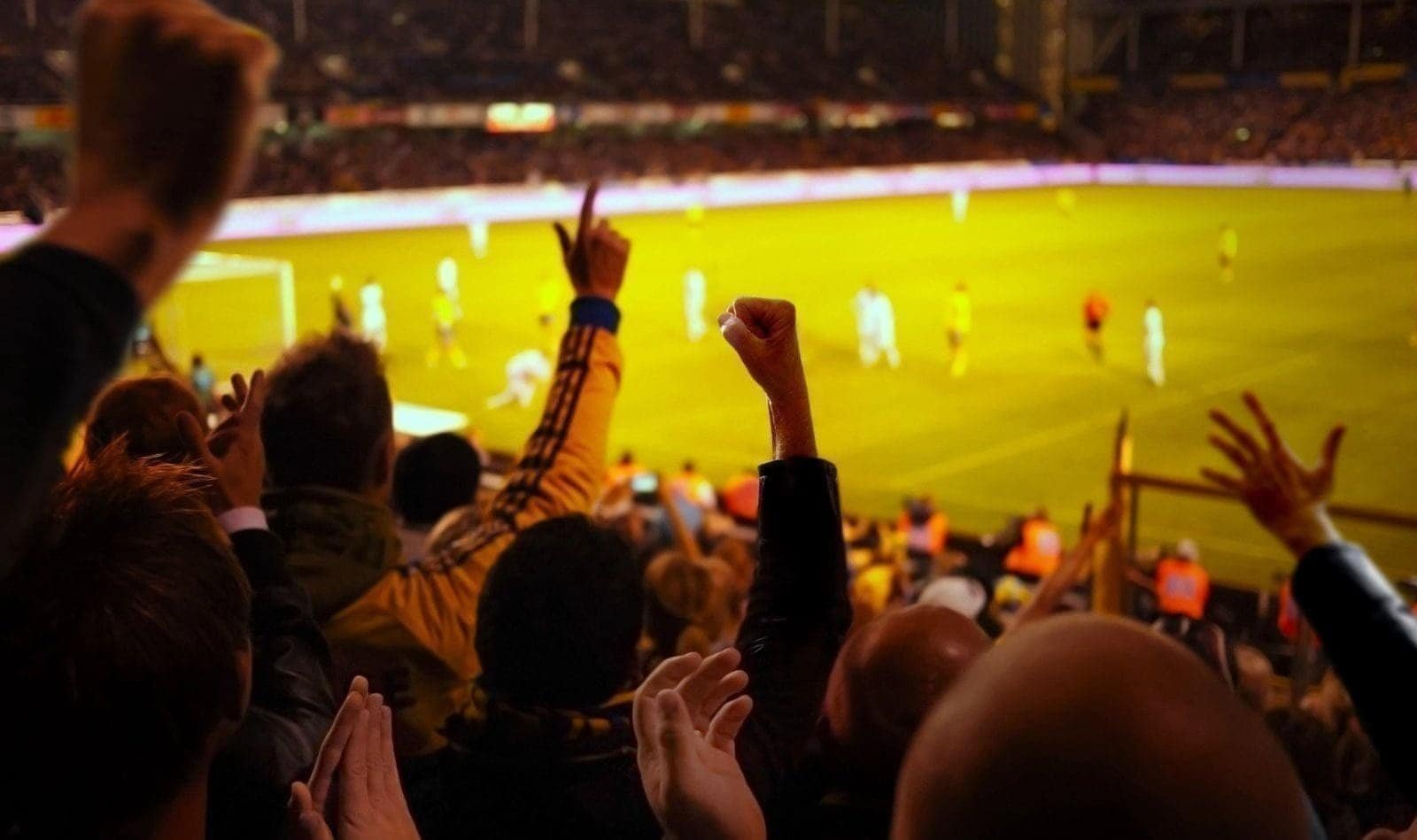
world cup brands

May 13, 2026

midkow/Depositphotos.com

Which Brands Have the Most Opportunity Around the 2026 FIFA World Cup?

As the weather continues to warm up, so does the excitement surrounding the upcoming FIFA World Cup. And while the tournament will be hosted by three nations — Canada, the U.S., and Mexico — the United States will be the majority player in the mix, hosting 78 matches to the 13 each afforded to the other two hosting countries. The U.S. last hosted the World Cup in 1994, and as such, buzz around the tournament stateside continues to grow (particularly as soccer recently edged out baseball as the No. 3 favorite sport among Americans).

As a result, brands are scrambling to produce advertising and marketing campaigns tied to the event. The list is lengthy, with big players including Adidas (with “Backyard Legends” featuring Timothée Chalamet, Lionel Messi, Bad Bunny, David Beckham, and three current soccer stars), Lay’s (“No Lay’s, No Game”), Budweiser (“Let it Pour”), Powerade (“Power Your Fate”), Pepsi (“Home of Banter”), Coca-Cola (“Uncanned Emotions”), Duracell (“Reboot ft. Messi”), and Stella Artois (“Celebration ft. David Beckham”), taking part, among others.

Heineken is also joining in the fun, with its already-launched “Fans Have More Friends” platform also embracing the World Cup.

“Soccer is a massive passion point for consumers, … and we know it’s only going to increase in popularity,” Allison Payne, Heineken USA’s CMO, told Modern Retail.

“[This] is a huge beer-drinking occasion, because fans get together to watch their favorite team live. We know that it’s going to be a really big beer-drinking occasion for Heineken, as well,” Payne added.

Heineken Among Those Moving Beyond ‘Pure Product-Feature Messaging’ as Authenticity Remains an Ad Must for Brands

Modern Retail’s Julia Waldow focused on Heineken’s approach to the World Cup ad blitz, noting that the beer company was deploying a multi-prong campaign including:

Giving a number of select bars airing soccer games a shipment of promo kits containing neon signs and pennants. The bars chosen are often known for being patronized by soccer fans as well as international visitors.

Going a step further, Heineken is organizing volunteer time-off (VTO) outings for those who have this job perk — like park clean-ups and volunteer pushes at food banks — with participants catching a game afterwards. This time off work may not pay immediate financial rewards, but many companies encourage it (and more VTO events are scheduled throughout the summer).

Waldow cited experts Adam Singer — VP of marketing at AdQuick — and Lucy Kriz, SVP of global brands for Criteo, on the importance of more non-traditional marketing when it comes to sporting events.

“[Campaigns which draw people together] will always outperform pure product-feature messaging during a cultural event like this. People aren’t thinking about themselves as consumers in these moments. They’re thinking about being part of something bigger. The brands that mirror that feeling win,” Singer said.

“The brands that tend to resonate most are the ones that focus less on status and more on the role they can naturally play in the moment. If the message feels authentic and gives the brand a natural place in how people watch and celebrate, that is what is most likely to stick,” Kriz stated.

BrainTrust

"What sort of marketing opportunities are presented by the U.S. playing primary host of the World Cup for the first time in 30+ years? Which brand campaigns will succeed?"
Avatar of Nicholas Morine

Nicholas Morine


Discussion Questions

What sort of unique marketing opportunities are presented by the U.S. playing primary host of the World Cup for the first time in 30+ years? Which brands seem poised for success?

Do you believe that soccer has the potential to eventually grow in popularity to the point of displacing basketball, or even football, as a preferred sporting event in the U.S.? What signals are brands tweaking to match the taste of soccer fans versus fans of more established sports in this market?

What do you think of the notion that “pure product-feature marketing” is becoming outdated when it comes to campaigns tied to sporting or cultural events?

Poll

3 Comments
Oldest
Newest Most Voted
Inline Feedbacks
View all comments
Neil Saunders

There are direct opportunities, indirect opportunities, and incidental opportunities. The direct opportunity is to generate more revenue and, on that front, a brand like Fanatics stands to gain because they will have stores at a lot of the venues which provides an immediate boost. Indirect opportunities are for the bigger brands like Adidas that get a halo by sponsoring which drives increased revenue over a longer period of time. The incidental opportunities are the most interesting: this is brands that cash in via social media without sponsoring – think Oreo’s “You can still dunk in the dark” tweet during the Super Bowl blackout in 2013. And across all of this the multi-country hosting allows some regional brands to benefit more than normal. 

Tanya Thorson
Tanya Thorson

ahhhh this is what i wrote in my newsletter this week -https://www.linkedin.com/pulse/before-first-whistle-tanya-thorson-hkj2e/?trackingId=oQXc0AAkRamptUVNtcXS2Q%3D%3D

———————
The brands winning this World Cup didn’t start preparing last month. They’ve been building toward it for years.
Beckham has been in an Adidas partnership since 1996. When they used AI to reassemble every era of him for their campaign, the algorithm had no choice but to honor the original. You can’t manufacture that. You accumulate it. That’s the indirect opportunity done right. 30 years of consistency that makes every activation feel inevitable.

Huggies launched their campaign last October, 9months before the first whistle. One insight: conceive in October, your parental leave lands in June. No sponsorship. Just a brand that understood its customer’s life better than the customer did. That’s the most emotionally intelligent campaign in the field and nobody’s talking about it.

On soccer displacing football or basketball… that’s the wrong frame. Soccer isn’t competing for the same fan. Gen Z grew up playing it. Millennials grew up watching it globally. The same person who watches the NFL Sunday also played rec soccer Saturday morning. They were never separate audiences. Brands that treat soccer fans as a new demographic to crack are already behind. The ones winning are meeting a whole person who was always there.

Product-feature marketing was always the fallback for brands that didn’t know their customer well enough to say something real. A cultural moment this size just makes that gap impossible to hide.
The brands that win aren’t reacting to the moment. They were already living inside it.

Shep Hyken

All we have to do is look at successful Super Bowl ad campaigns to know who has a shot at success in the World Cup. Nike, whose stock price has been beaten down, could gain visibility and build renewed excitement around its brand. They will be competing head-to-head with Adidas, which is an official sponsor. That doesn’t mean they can’t grab some TV audience excitement with the right campaign.

3 Comments
Oldest
Newest Most Voted
Inline Feedbacks
View all comments
Neil Saunders

There are direct opportunities, indirect opportunities, and incidental opportunities. The direct opportunity is to generate more revenue and, on that front, a brand like Fanatics stands to gain because they will have stores at a lot of the venues which provides an immediate boost. Indirect opportunities are for the bigger brands like Adidas that get a halo by sponsoring which drives increased revenue over a longer period of time. The incidental opportunities are the most interesting: this is brands that cash in via social media without sponsoring – think Oreo’s “You can still dunk in the dark” tweet during the Super Bowl blackout in 2013. And across all of this the multi-country hosting allows some regional brands to benefit more than normal. 

Tanya Thorson
Tanya Thorson

ahhhh this is what i wrote in my newsletter this week -https://www.linkedin.com/pulse/before-first-whistle-tanya-thorson-hkj2e/?trackingId=oQXc0AAkRamptUVNtcXS2Q%3D%3D

———————
The brands winning this World Cup didn’t start preparing last month. They’ve been building toward it for years.
Beckham has been in an Adidas partnership since 1996. When they used AI to reassemble every era of him for their campaign, the algorithm had no choice but to honor the original. You can’t manufacture that. You accumulate it. That’s the indirect opportunity done right. 30 years of consistency that makes every activation feel inevitable.

Huggies launched their campaign last October, 9months before the first whistle. One insight: conceive in October, your parental leave lands in June. No sponsorship. Just a brand that understood its customer’s life better than the customer did. That’s the most emotionally intelligent campaign in the field and nobody’s talking about it.

On soccer displacing football or basketball… that’s the wrong frame. Soccer isn’t competing for the same fan. Gen Z grew up playing it. Millennials grew up watching it globally. The same person who watches the NFL Sunday also played rec soccer Saturday morning. They were never separate audiences. Brands that treat soccer fans as a new demographic to crack are already behind. The ones winning are meeting a whole person who was always there.

Product-feature marketing was always the fallback for brands that didn’t know their customer well enough to say something real. A cultural moment this size just makes that gap impossible to hide.
The brands that win aren’t reacting to the moment. They were already living inside it.

Shep Hyken

All we have to do is look at successful Super Bowl ad campaigns to know who has a shot at success in the World Cup. Nike, whose stock price has been beaten down, could gain visibility and build renewed excitement around its brand. They will be competing head-to-head with Adidas, which is an official sponsor. That doesn’t mean they can’t grab some TV audience excitement with the right campaign.

More Discussions