DISCUSSION
Salvage stores achieve sales growth by selling ‘unsellable’ goods
Written by RetailWire Staff
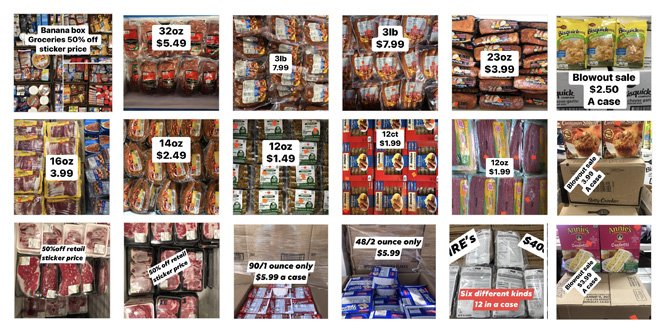
Consumer packaged goods (CPG) that are far out of season, discontinued, well past their sell-by date or in beaten-up packaging usually end up marked “unsellable” by grocers and taken off the shelves. But in an inflationary era when customers are increasingly strapped for cash and hunting for discounts, a category of ultra-low-priced grocers that sell the unsellable is growing in popularity.
Salvage stores, once a haven for deep discount seekers and customers who enjoy discovering cheap oddities, are enjoying an influx of mainstream shopper traffic, according to The Seattle Times. Such stores, with a hodgepodge selection accumulated through various sources and relationships with suppliers, provide not just deep discounts, but a treasure hunt element for curious shoppers and an environmental proposition for those who care about reducing food waste.
The stores have even grabbed the attention of food bloggers like Maggie Kilpatrick, who suffers from celiac and was able to find a surprising array of gluten-free products in a salvage store in her hometown of Minneapolis.
Shopping at salvage stores was up eight percent year-over-year for the first part of 2022, with some store managers throughout the nation reporting double-digit increases in sales.
The increase in the popularity of salvage stores comes as other, more mainstream deep discount retailers have likewise experienced a boom in business due to inflation.
Both Dollar General and Dollar Tree showed year-over-year gains in their first-quarter earnings reports in May of this year.
Data from Kantar and a separate study from Symphony RetailAI confirm that customers are trading down to dollar stores from conventional grocery stores.
At the same time, once spartan, no-frills value retailers have been upgrading their store experience and product lines. This is a trend that began well before the pandemic and the inflation of the past year.
For instance, while Aldi remains a value grocer, several years ago it began moving its look and feel upmarket to court a more affluent, but still value-oriented, shopper. The chain began stocking some healthier foods, produce and even organics, though it resolved to keep its prices low.
- Dented, dated, discontinued? At the salvage grocery, it’s called a deal – The Seattle Times
- Kilkenny Kitchen – blog
- When the going gets tough consumers shop dollar stores – RetailWire
- Is inflation transforming dollar stores into bigger grocery destinations? – RetailWire
- Are Aldi’s upscale makeovers necessary? – RetailWire
Discussion Thread0
The RetailWire Daily
One morning briefing: the retail news, expert perspective, and business context to bring into your next meeting.
Want to know more? Learn more