DISCUSSION
Did Amazon execs mislead Congress about how it uses third-party sellers’ data?
Written by George Anderson
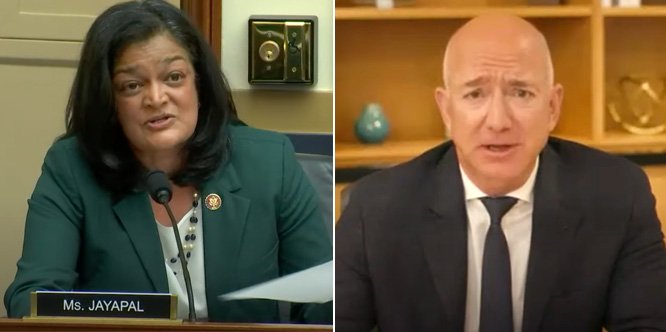
Members of the House Judiciary Committee are wondering whether testimony given in recent years by Amazon.com executives about the company’s use of the sales data from third-party sellers and search rankings may have been misleading or perhaps a direct attempt to deceive Congress.
Democrats and Republicans from the committee, including its chair, Jerrold Nadler (D-NY), and David Cicilline (D-RI), Ken Buck (R-CO), Pramila Jayapal (D-WA) and Matt Gaetz (R-FL), sent a letter to Amazon CEO Andy Jassy yesterday offering the company the opportunity to correct the record of prior testimony and statements made before it. The company has until Nov. 1 to respond.
The letter follows articles over the past year-plus by news organizations including Reuters, The Markup and The Wall Street Journal that contend Amazon used marketplace seller sales data to determine items it should pursue for its own private label lines. The retail giant then allegedly arranges its search results to place its own brand goods higher on the list than competitive, better-rated items from marketplace sellers, a charge that Amazon has denied.
"At best, this reporting confirms that Amazon’s representatives misled the Committee. At worst, it demonstrates that they may have lied to Congress in possible violation of federal criminal law,” wrote the Congressional representatives. “In light of the serious nature of this matter, we are providing you with a final opportunity to provide exculpatory evidence to corroborate the prior testimony and statements on behalf of Amazon to the Committee.”
Amazon, as it has repeatedly done in the past, maintains that its corporate policy strictly prohibits the type of predatory behavior that it has been accused of.
A report published last week by Reuters concludes that what Amazon says and what it does are two different things. The news organization reports that it examined thousands of pages of internal documents from Amazon’s India unit, including emails, business plans and strategy papers. The documents confirmed “the company ran a systematic campaign of creating knockoffs and manipulating search results to boost its own product lines.”
The Journal last year interviewed more than 20 former Amazon employees and also reviewed similar internal documents that showed the very same practice. Company employees accessed data about a marketplace seller’s car-trunk organizer including sales, marketing and shipping costs and Amazon’s cut before then rolling out a private label line of organizers.
- House Judiciary Antitrust Subcommittee Members Provide Amazon with Final Chance to Correct the Record Following a Series of Misleading Testimony and Statements – House Judiciary Committee
- Amazon copied products and rigged search results to promote its own brands, documents show – Reuters
- Amazon Puts Its Own “Brands” First Above Better-Rated Products – The Markup
- Amazon Scooped Up Data From Its Own Sellers to Launch Competing Products – The Wall Street Journal
Discussion Thread0
The RetailWire Daily
One morning briefing: the retail news, expert perspective, and business context to bring into your next meeting.
Want to know more? Learn more