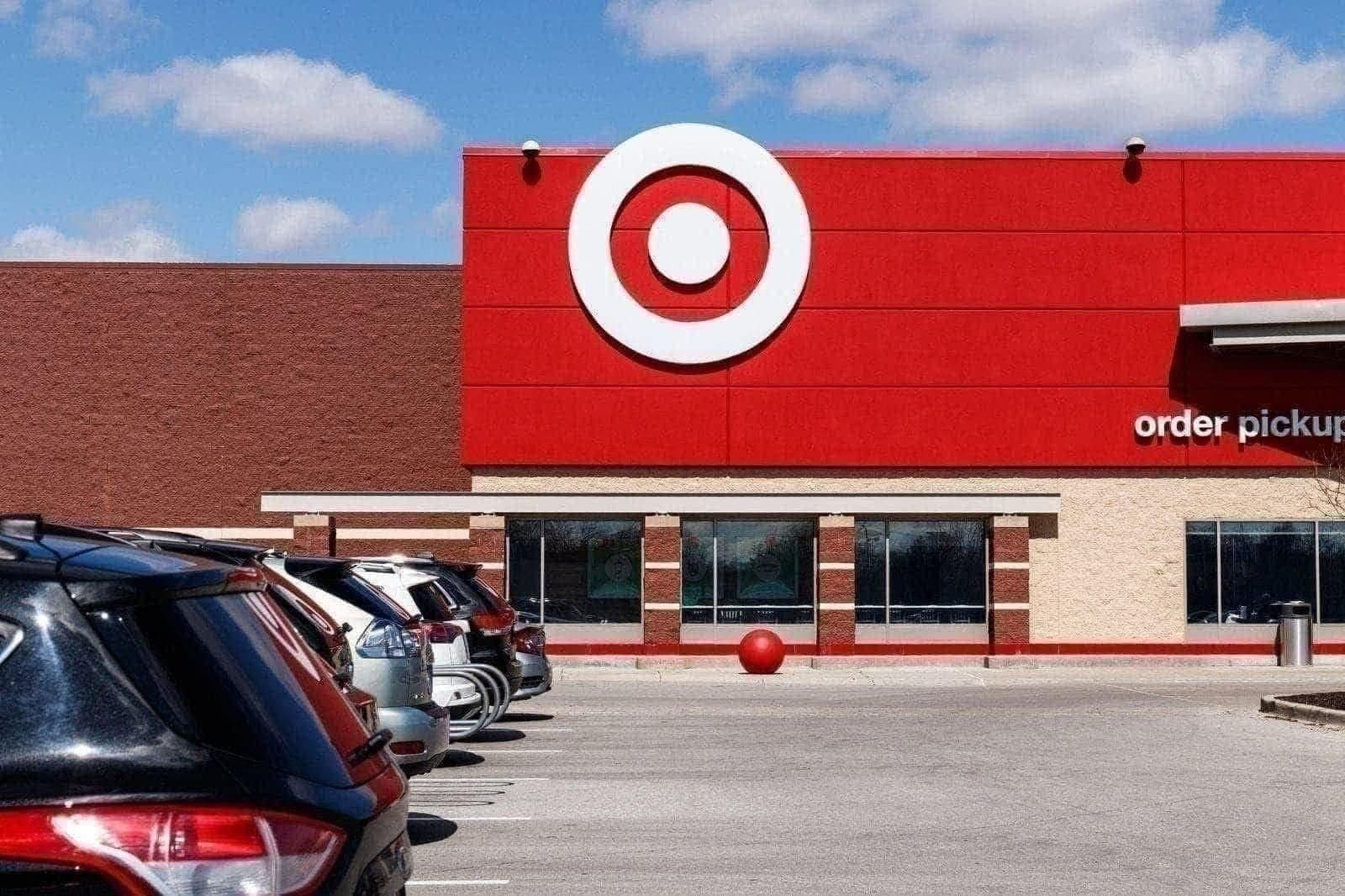
Target

May 19, 2026

jetcityimage2/Depositphotos.com

Are the Stars Finally Aligned for Target To Recapture its Former ‘Aura’ Ahead of Q1 2026 Earnings?

With Target set to deliver its Q1 2026 earnings early tomorrow, May 20, investors are sitting up and taking notice. According to Bloomberg News (via Financial Post), shares are up 26% this year, although these gains still remain in the shadow of the losses the retailer has endured over the four years prior.

Now, under the leadership of CEO Michael Fiddelke, Target has expanded on its assortment of baby good, beauty products, apparel, home goods, and food. The most recent news — that former Walmart exec Jeff England will be taking the helm on supply chain and logistics, and that a renewed and sustained wellness category push could prove fruitful — also appears to align with the goal of recapturing the former glory once held by Target prior to its steep decline.

Two analyst opinions were cited by Bloomberg, both showing cautious optimism over Target’s future prospects.

“The results will be better and we’re early in the turnaround, but the setup in the short term, heading into the earnings report, is a little bit tricky because expectations are higher,” D.A. Davidson analyst Michael Baker said.

“The quarter looks great and traffic appears to be strong, but underlying all of this is the fact that the comparisons are just exceptionally easy. From here, the bar will start to get more difficult,” John San Marco, an analyst at Neuberger Berman, said.

On the supply chain and logistics front, England brings nearly 20 years of experience across operations, strategy, and finance leadership at Walmart — followed by a term serving as chief supply chain officer for Genuine Parts Company. Most recently, England served as chief supply chain officer for QXO, where he “improved inventory availability, reduced transportation costs and strengthened operational excellence,” per a press release.

Wellness as the ‘Connective Tissue’ To Rekindle Customer Relationships for Target?

Forbes senior contributor Pamela N. Danziger suggested that Target could be setting itself up for sustained success — and the reclamation of a lost “Tar-zhay” aura — by leaning hard into wellness.

“Restoring that aura will take more than offering trendy products at affordable prices. Trends move too fast these days, and a retailer has to get the timing just right or miss the moment entirely. Relying on trends alone is not a sustainable business model,” Danziger wrote.

“Rather, Target is leaning into what matters most to its core customers—especially busy parents who want to provide the best for their families. It has identified wellness as the connective tissue to forge a deeper, more meaningful bond with the customer’s body, mind, soul and wallet. Target doesn’t want to be just a good place to shop; it wants to be a good place for my family and me to shop—it’s a subtle but meaningful shift,” she added.

Danziger stated that wellness was here to stay, and not simply a fad: McKinsey numbers place the wellness market at $500 billion annually in the U.S. alone, growing at 4%-5% each year. Further, wellness products are not as susceptible to consumer budgetary constraints or cutbacks as compared to more discretionary categories.

Target has expanded wellness beyond the health, beauty, and food aisles to span the entire store: “sporting goods and toys for active and educational play; apparel for activewear and environmentally responsible clothing; baby essentials for health and safety; home for better bedding and sleep; technology for wearables and health monitors; and household essentials for cleaner cleaning products,” as Danziger noted.

And with Target leading the way on removing products with artificial dyes and colors, adding trending tech wearables, expanding its men’s health range while also promoting women’s health (from menstrual care through menopause), and bringing all of these initiatives together in a binding principle around real-world customer lifestyle practices and choices, it appears that a comprehensive approach could seed positive results.

“We are relentlessly focused on the consumer, making sure the products we curate are committed to innovation, accessibility and design. Wellness is about being healthier but also about being the best version of yourself and how you want to live your life,” Amanda Nusz, Target’s SVP of merchandising, beauty and essentials, said.

BrainTrust

"Today, Target feels very different. It’s more functional. I’m not convinced supply chain, logistics and wellness alone can recreate that original feeling."
Avatar of Pamela Kaplan

Pamela Kaplan

Principal, PK Consulting


"A strong Q1 print on weak prior-year numbers can signal momentum or mask it. The harder test arrives when comps normalize in 2027."
Avatar of Mohamed Amer, PhD

Mohamed Amer, PhD

Strategy Advisor, CEO & Co-Founder, BridgeCommAI


"Target’s opportunity is to connect inspiration with operational discipline. If it can do both, the 'Tar-zhay' feeling can return."
Avatar of Jeff Hall

Jeff Hall

President, Second To None


Discussion Questions

Are you convinced that Target’s recent moves (taken as a whole), in combination with a strong earnings report, could see it recapturing its former reputation with consumers? If so, why? If not, what’s missing?

Do you believe bringing Jeff England on board to handle supply chain and logistics — a previous and highly criticized pain point for Target — will improve the situation?

How can Target position itself as a wellness leader beyond improving its assortment across aisles, in the minds of shoppers? Do you believe it can stake out a major claim in this market?

Poll

16 Comments
Oldest
Newest Most Voted
Cathy Hotka
Cathy Hotka

While all of these moves feel like a good approach, it’s still a fact that Target lost a key demographic 17 months ago, and it shows no sign of returning. I wish them good luck.

Neil Saunders

Shares are up because investors hear a change in tone and have seen some of the plans to deliver better performance – including remedying many of the issues that have plagued the chain and lost them share. However, Target management have always made it clear that any turnaround will take some time to deliver, especially on the bottom line, as there are a lot of areas to retool. In my view, that’s fair. What Target needs to do now is show incremental wins before driving much better performance into the next fiscal. But, as I have said many times before, all of this comes down to the ability to execute.

Last edited 20 days ago by Neil Saunders
Bob Phibbs

It’s a black-and-white issue in so many ways. Until they deal with the embarrassing pivot against DEI and allowing Ice raids in their own stores, I imagine more people continue to talk about how out of Touch they are rather than giving them another chance.

Paula Rosenblum

I see no reason to return there. This may be one time when activist investors are right. I don’t feel meaningful change

Jeff Hall
Jeff Hall

Target can regain momentum, but “aura” is not won back through assortment moves or one strong quarter alone. It returns when customers consistently feel that Target understands their lives, removes friction, and delivers the experience its brand has always promised.

The wellness push is smart because it can give Target a stronger organizing idea across categories. But the real test will be execution: in-stock reliability, store conditions, service consistency, ease of shopping, and whether the experience feels curated rather than simply expanded.

Bringing in stronger supply chain leadership matters, because brand love fades quickly when the basics break. Target’s opportunity is to connect inspiration with operational discipline. If it can do both, the “Tar-zhay” feeling can return. If not, wellness risks becoming another merchandising theme instead of a renewed customer relationship.

Tanya Thorson

I’m a big believer in Target’s wellness opportunity because wellness is not tied to one generation, one gender or one category. It is a lifestyle. It crosses personas because it connects to how people want to feel: healthier, more confident, more balanced, more in control of their day.
That gives Target a real platform if they merchandise it well across beauty, food, baby, home, apparel and tech.
On supply chain, Jeff England brings strong credentials, but one leader alone will not fix an inventory issue that has been building for years. The question is how deep the problem runs: systems, forecasting, vendor flow, store execution, allocation, speed and accountability.
Target has the pieces. Now they need the operating discipline to make the promise show up in the aisle.

Craig Sundstrom
Craig Sundstrom

Here’s a thought: why don’t we actually wait – a day! – to see what the results are, rather than speculating what they’re going to be.
Am I convinced? That I have to ask “of what, exactly?” suggests I’m not.

Patricia Vekich Waldron

I’m sure there will be shoppers that will respond to the new strategy and offerings, provided Target can execute. There will also be the alienated cohort that will not be inclined to shop Target, regardless of the announced changes.

Mohamed Amer, PhD

Target’s turnaround investments are real: supply chain leadership with a documented record of improving inventory availability and cutting transportation costs, AI-powered inventory forecasting, and a coherent SKU rationalization strategy. The intent is serious, and the structural moves are not cosmetic. But intent and results are different scorecards, and Target has no shortage of well-announced plans in its recent history. The analysts’ easy comps warning deserves more attention than it’s getting. A strong Q1 print on weak prior-year numbers can signal momentum or mask it. The harder test arrives when comps normalize in 2027. Target needs operational proof in the aisles before the wellness narrative becomes credible connective tissue rather than aspirational merchandising.

Pamela Kaplan
Pamela Kaplan

When I think about the original “Target aura,” it takes me back to living in NY without access to one. I genuinely had FOMO seeing the ads or traveling somewhere with a Target nearby. It was also a time when they did iconic designer collaborations like Jean Paul Gaultier.

Today, Target feels very different. It’s more functional. I’m not convinced supply chain, logistics and wellness alone can recreate that original feeling. The magic was that it felt special and accessible at the same time. You could find things there that you couldn’t find anywhere else, but it was still Target.

Jeff Sward

How about we mark our calendars for a year from now to talk about any possible signs of a return of the “Tar-zhay” aura…??? It took Target a long time to earn that moniker and that was in a different retail dynamic. It’s great that they have a new CEO and supply chain/logistics exec. Wellness…yep, makes total sense. Focus on baby and family. Cool. We can applaud the speeches but the execution is yet to come. Consistency has yet to be demonstrated. They’re still working on keeping empty shelves at a minimum.

I really like the call out of focusing on busy parents versus trendy products, but hitting all the right notes in all the right departments…consistently…is going to be difficult, really difficult. I love the fact that we can even talk about Target bouncing back from it’s moment of doldrums. But “Tar-zhay” isn’t on the horizon quite yet.

Bhargav Trivedi
Bhargav Trivedi

Target’s recovery will depend less on a single strong quarter and more on whether it can consistently reconnect operational execution with a differentiated customer experience. The wellness strategy is smart because it creates a unifying lifestyle narrative across categories instead of relying on isolated trend cycles. But Target’s biggest risk remains execution consistency. Bringing in Jeff England is significant because supply chain reliability directly impacts inventory accuracy, fulfillment speed, and shopper trust. From a retail architecture perspective, wellness leadership will require more than assortment expansion. Target needs connected digital experiences, personalized recommendations, loyalty integration, and localized merchandising that make wellness feel contextual, seamless, and authentically embedded into everyday shopping behavior.

Georganne Bender
Georganne Bender

According to the McKinsey study, younger generations are investing heavily in wellness, and older generations are increasingly realizing that wellness isn’t a luxury, it’s a necessity. If Target can position wellness as approachable, affordable, and part of everyday life, it will attract multiple generations.

Now, it needs work on getting its apparel mojo back…

Anil Patel
Anil Patel

Target’s Q1 results underscore how quickly customer perception can shift in today’s retail environment. Recapturing that momentum will likely depend less on short-term adjustments and more on consistently delivering the right product availability, localized relevance, and a consistent customer experience across channels.
For large-format retailers especially, the opportunity lies in translating scale into agility. The retailers best positioned for long-term growth will be those that combine strategic assortment decisions with disciplined inventory orchestration, enabling them to respond quickly to evolving customer expectations while strengthening confidence in the brand experience.

Gene Detroyer

One quarter does not make a turnaround, let alone a trend.

From today’s discussion, my takeaway is that Target’s PR team is in overdrive. But PR is not a solution to what ails Target.

Allison McCabe

“The quarter looks great and traffic appears to be strong, but underlying all of this is the fact that the comparisons are just exceptionally easy. From here, the bar will start to get more difficult,” John San Marco, an analyst at Neuberger Berman, said.
That’s the story. Time will tell.

16 Comments
Oldest
Newest Most Voted
Cathy Hotka
Cathy Hotka

While all of these moves feel like a good approach, it’s still a fact that Target lost a key demographic 17 months ago, and it shows no sign of returning. I wish them good luck.

Neil Saunders

Shares are up because investors hear a change in tone and have seen some of the plans to deliver better performance – including remedying many of the issues that have plagued the chain and lost them share. However, Target management have always made it clear that any turnaround will take some time to deliver, especially on the bottom line, as there are a lot of areas to retool. In my view, that’s fair. What Target needs to do now is show incremental wins before driving much better performance into the next fiscal. But, as I have said many times before, all of this comes down to the ability to execute.

Last edited 20 days ago by Neil Saunders
Bob Phibbs

It’s a black-and-white issue in so many ways. Until they deal with the embarrassing pivot against DEI and allowing Ice raids in their own stores, I imagine more people continue to talk about how out of Touch they are rather than giving them another chance.

Paula Rosenblum

I see no reason to return there. This may be one time when activist investors are right. I don’t feel meaningful change

Jeff Hall
Jeff Hall

Target can regain momentum, but “aura” is not won back through assortment moves or one strong quarter alone. It returns when customers consistently feel that Target understands their lives, removes friction, and delivers the experience its brand has always promised.

The wellness push is smart because it can give Target a stronger organizing idea across categories. But the real test will be execution: in-stock reliability, store conditions, service consistency, ease of shopping, and whether the experience feels curated rather than simply expanded.

Bringing in stronger supply chain leadership matters, because brand love fades quickly when the basics break. Target’s opportunity is to connect inspiration with operational discipline. If it can do both, the “Tar-zhay” feeling can return. If not, wellness risks becoming another merchandising theme instead of a renewed customer relationship.

Tanya Thorson

I’m a big believer in Target’s wellness opportunity because wellness is not tied to one generation, one gender or one category. It is a lifestyle. It crosses personas because it connects to how people want to feel: healthier, more confident, more balanced, more in control of their day.
That gives Target a real platform if they merchandise it well across beauty, food, baby, home, apparel and tech.
On supply chain, Jeff England brings strong credentials, but one leader alone will not fix an inventory issue that has been building for years. The question is how deep the problem runs: systems, forecasting, vendor flow, store execution, allocation, speed and accountability.
Target has the pieces. Now they need the operating discipline to make the promise show up in the aisle.

Craig Sundstrom
Craig Sundstrom

Here’s a thought: why don’t we actually wait – a day! – to see what the results are, rather than speculating what they’re going to be.
Am I convinced? That I have to ask “of what, exactly?” suggests I’m not.

Patricia Vekich Waldron

I’m sure there will be shoppers that will respond to the new strategy and offerings, provided Target can execute. There will also be the alienated cohort that will not be inclined to shop Target, regardless of the announced changes.

Mohamed Amer, PhD

Target’s turnaround investments are real: supply chain leadership with a documented record of improving inventory availability and cutting transportation costs, AI-powered inventory forecasting, and a coherent SKU rationalization strategy. The intent is serious, and the structural moves are not cosmetic. But intent and results are different scorecards, and Target has no shortage of well-announced plans in its recent history. The analysts’ easy comps warning deserves more attention than it’s getting. A strong Q1 print on weak prior-year numbers can signal momentum or mask it. The harder test arrives when comps normalize in 2027. Target needs operational proof in the aisles before the wellness narrative becomes credible connective tissue rather than aspirational merchandising.

Pamela Kaplan
Pamela Kaplan

When I think about the original “Target aura,” it takes me back to living in NY without access to one. I genuinely had FOMO seeing the ads or traveling somewhere with a Target nearby. It was also a time when they did iconic designer collaborations like Jean Paul Gaultier.

Today, Target feels very different. It’s more functional. I’m not convinced supply chain, logistics and wellness alone can recreate that original feeling. The magic was that it felt special and accessible at the same time. You could find things there that you couldn’t find anywhere else, but it was still Target.

Jeff Sward

How about we mark our calendars for a year from now to talk about any possible signs of a return of the “Tar-zhay” aura…??? It took Target a long time to earn that moniker and that was in a different retail dynamic. It’s great that they have a new CEO and supply chain/logistics exec. Wellness…yep, makes total sense. Focus on baby and family. Cool. We can applaud the speeches but the execution is yet to come. Consistency has yet to be demonstrated. They’re still working on keeping empty shelves at a minimum.

I really like the call out of focusing on busy parents versus trendy products, but hitting all the right notes in all the right departments…consistently…is going to be difficult, really difficult. I love the fact that we can even talk about Target bouncing back from it’s moment of doldrums. But “Tar-zhay” isn’t on the horizon quite yet.

Bhargav Trivedi
Bhargav Trivedi

Target’s recovery will depend less on a single strong quarter and more on whether it can consistently reconnect operational execution with a differentiated customer experience. The wellness strategy is smart because it creates a unifying lifestyle narrative across categories instead of relying on isolated trend cycles. But Target’s biggest risk remains execution consistency. Bringing in Jeff England is significant because supply chain reliability directly impacts inventory accuracy, fulfillment speed, and shopper trust. From a retail architecture perspective, wellness leadership will require more than assortment expansion. Target needs connected digital experiences, personalized recommendations, loyalty integration, and localized merchandising that make wellness feel contextual, seamless, and authentically embedded into everyday shopping behavior.

Georganne Bender
Georganne Bender

According to the McKinsey study, younger generations are investing heavily in wellness, and older generations are increasingly realizing that wellness isn’t a luxury, it’s a necessity. If Target can position wellness as approachable, affordable, and part of everyday life, it will attract multiple generations.

Now, it needs work on getting its apparel mojo back…

Anil Patel
Anil Patel

Target’s Q1 results underscore how quickly customer perception can shift in today’s retail environment. Recapturing that momentum will likely depend less on short-term adjustments and more on consistently delivering the right product availability, localized relevance, and a consistent customer experience across channels.
For large-format retailers especially, the opportunity lies in translating scale into agility. The retailers best positioned for long-term growth will be those that combine strategic assortment decisions with disciplined inventory orchestration, enabling them to respond quickly to evolving customer expectations while strengthening confidence in the brand experience.

Gene Detroyer

One quarter does not make a turnaround, let alone a trend.

From today’s discussion, my takeaway is that Target’s PR team is in overdrive. But PR is not a solution to what ails Target.

Allison McCabe

“The quarter looks great and traffic appears to be strong, but underlying all of this is the fact that the comparisons are just exceptionally easy. From here, the bar will start to get more difficult,” John San Marco, an analyst at Neuberger Berman, said.
That’s the story. Time will tell.

More Discussions