DISCUSSION
Are Amazon’s private labels falling short or just getting started?
Written by George Anderson
Sources: Amazon.com
Despite Amazon.com’s success with products such as its Echo voice-activated speakers, not everything is quite as rosy when it comes to the e-tail giant’s private label products, according to a Marketplace Pulse study.
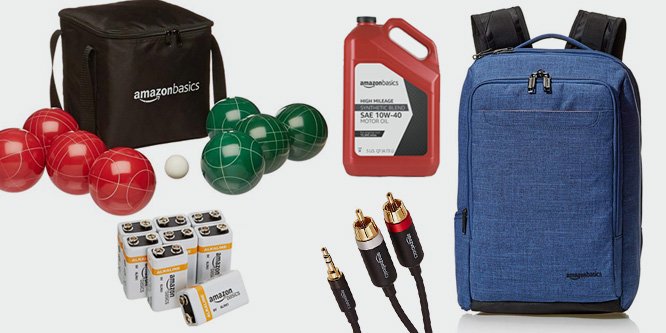
The research firm analyzed more than 23,142 products under 406 labels — some private and others exclusive to Amazon — and found that the top 10 brands generated 81 percent of sales. AmazonBasics, the company’s line of everyday tech products that includes a wide range of items such as batteries and bath towels, represents only 5 percent of products launched by the retailer yet generates 57 percent of its private and exclusive brand sales.
Marketplace points to a SunTrust Robinson Humphrey forecast that Amazon’s private label business will grow from $7.5 billion in 2018 to $25 billion by 2022. The vast majority of that growth, however, is expected to be from Echo devices and Whole Foods’ 365 Everyday Value private labels. Take those out and total sales generated by Amazon’s private labels falls to below $1 billion.
A study last year by Jungle Scout found that four out of five of Amazon’s private label women’s apparel lines sold fewer than 100 items on a monthly basis.
Amazon sees an opportunity to grow its private and exclusive brand business, in part, because of its current low level of penetration. Private labels represent fewer than one percent of Amazon’s total sales.
One of the issues with Amazon’s private label strategy is that it doesn’t engage in a significant way in brand building. The e-tailer may feature its own brands on the site or give them preference in search results, but does very little beyond offering price and a basic product description to sell shoppers.
As a Bloomberg article points out, other retailers and consumer-direct brands such as Target and Harvey’s use social media campaigns and in-store displays to engage with shoppers.
“Selling cheap batteries is very different than building brands,” Juozas Kaziukenas, founder of Marketplace Pulse, told Bloomberg. “Even when Amazon says, ‘check out our own brands,’ consumers don’t know what it means and wonder why should they buy this thing they never heard of before.”