Can Papa John's recover from its founder’s racial slur?
Papa John's chairman, John Schnatter, last week resigned over using a racial slur against African Americans on a conference call with a marketing company. But the fallout appears far from done.
The founder said he was taken out of context during a role-playing exercise while apologizing for his "inappropriate and hurtful" language. Mr. Schnatter was known for past incendiary comments. Shares moved up following news of his resignation. In January, he stepped down as CEO after blaming poor pizza sales on NFL player protests against racial injustice during the playing of the national anthem at games.
Papa John’s, which has more than 5,200 locations globally, has no plans to change its name, but pulled Mr. Schnatter’s image from its marketing as it seeks to “regain trust.”
Steve Ritchie, CEO, wrote in a statement, “Papa John’s is not an individual. Papa John’s is a pizza company with 120,000 corporate and franchise team members around the world. Our employees represent all walks of life, and we are committed to fostering an inclusive and equitable workplace for all.”
The company promised an external audit of policies, training for senior management and an open-door policy encouraging employee feedback.
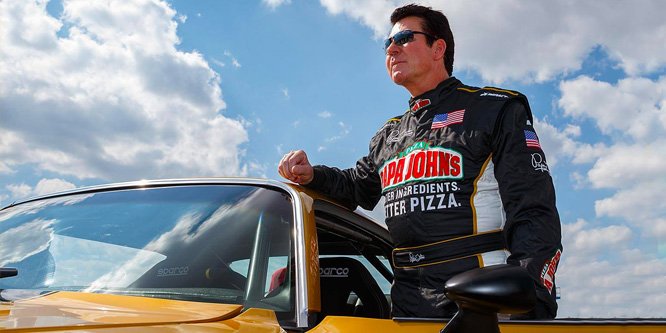
Few founders are as closely linked to their company. Mr. Schnatter’s face adorned pizza boxes, and he was regularly seen in television ads.
He remains on the board and is the company's largest shareholder with a third of its stock, but some felt that may have to change. Jeffrey Sonnenfeld, senior associate dean for leadership studies at Yale School of Management, told The Washington Post, “He may just want to sever all ties,” including selling his stake, “simply because people won’t want to enrich him.”
Eric Schiffer, chairman of Reputation Management Consultants, said that beyond consumers, Mr. Schnatter's remarks likely infuriated potential employees. Reaching out to leaders in the African-American community and moves such as scholarship funding may help.
The public has a short attention span, but crisis consultants feel recovery would take time. Keith Hollingsworth, a professor with Morehouse College's business department, told The Associated Press, “Five years from now, they might be able to start bringing him back. But at the moment, you have to be very decisive and show you take this very seriously."
- Open Letter From The CEO – Papa John’s
- Amid a backlash, Papa John’s distances itself from founder, who speaks out in interview – The Washington Post
- Analysts: Papa John's better off without a key ingredient: Papa John himself – USA Today
- Papa John's is pulling founder's image from its marketing – The Associated Press/10tv.com
Discussion Thread0
The RetailWire Daily
One morning briefing: the retail news, expert perspective, and business context to bring into your next meeting.
Want to know more? Learn more